
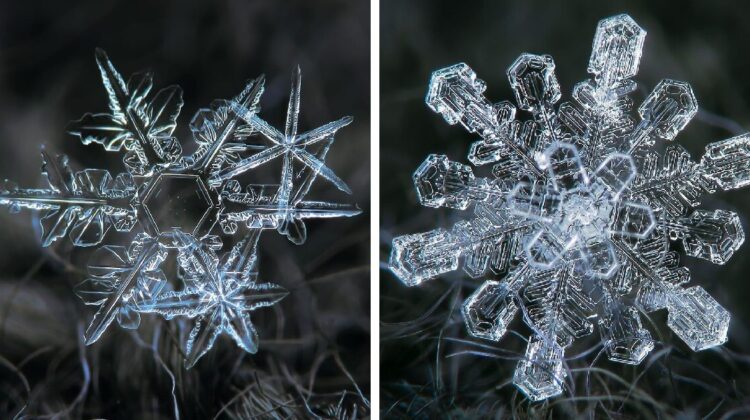
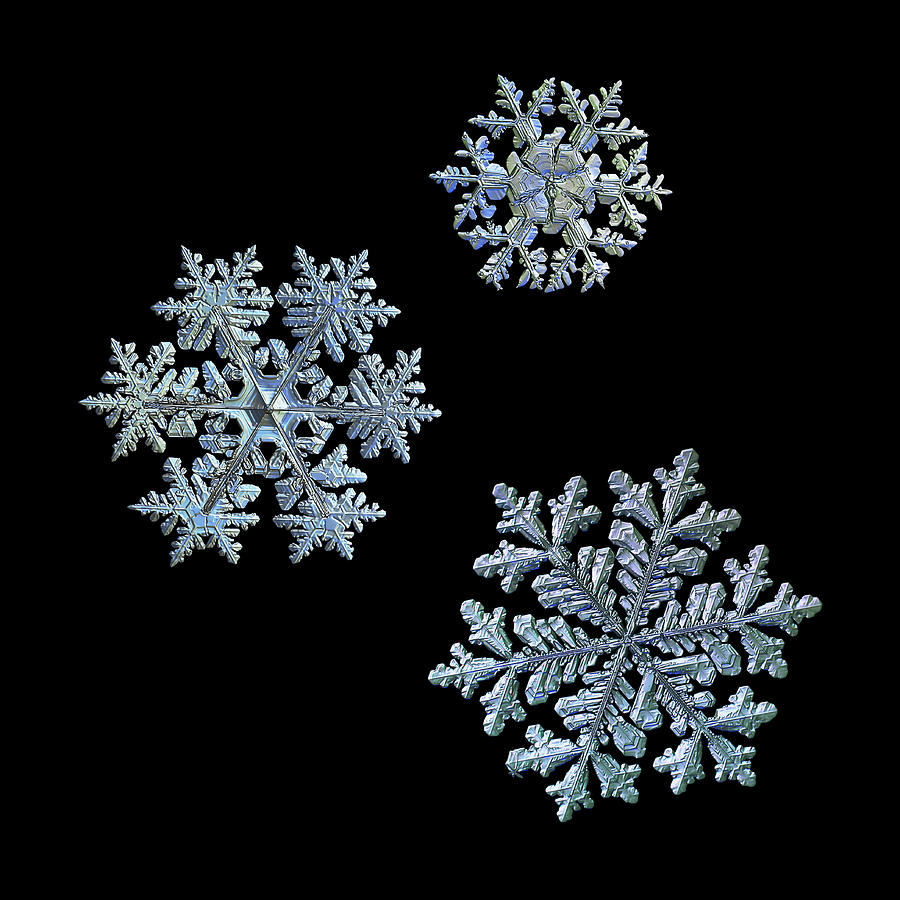
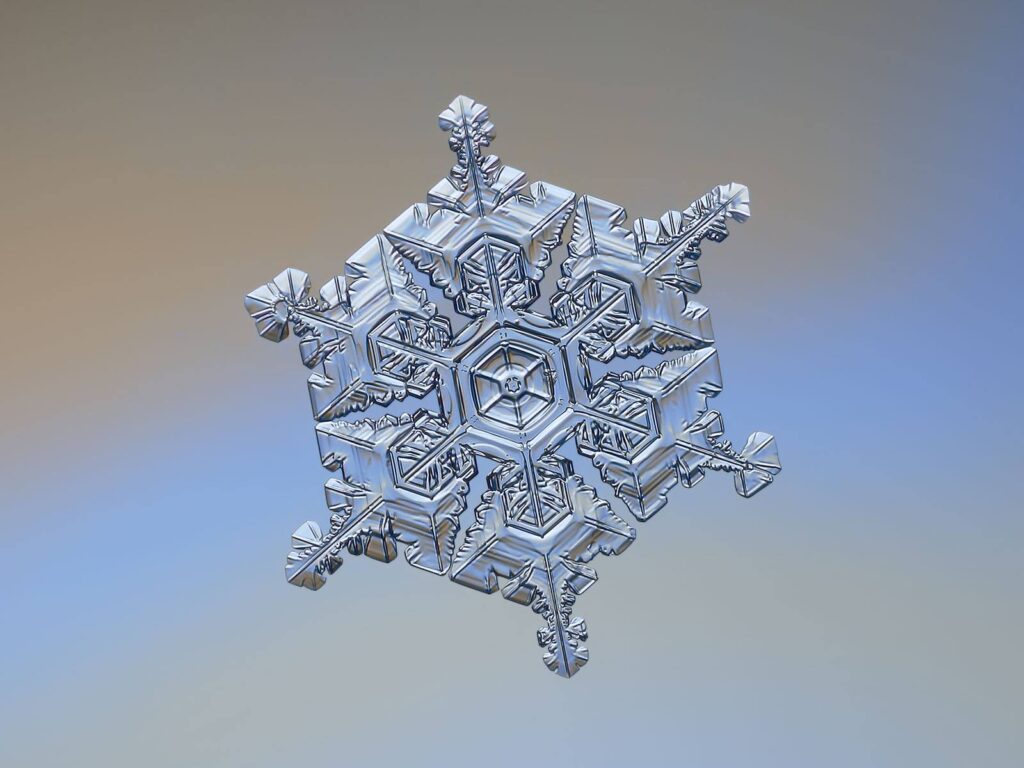
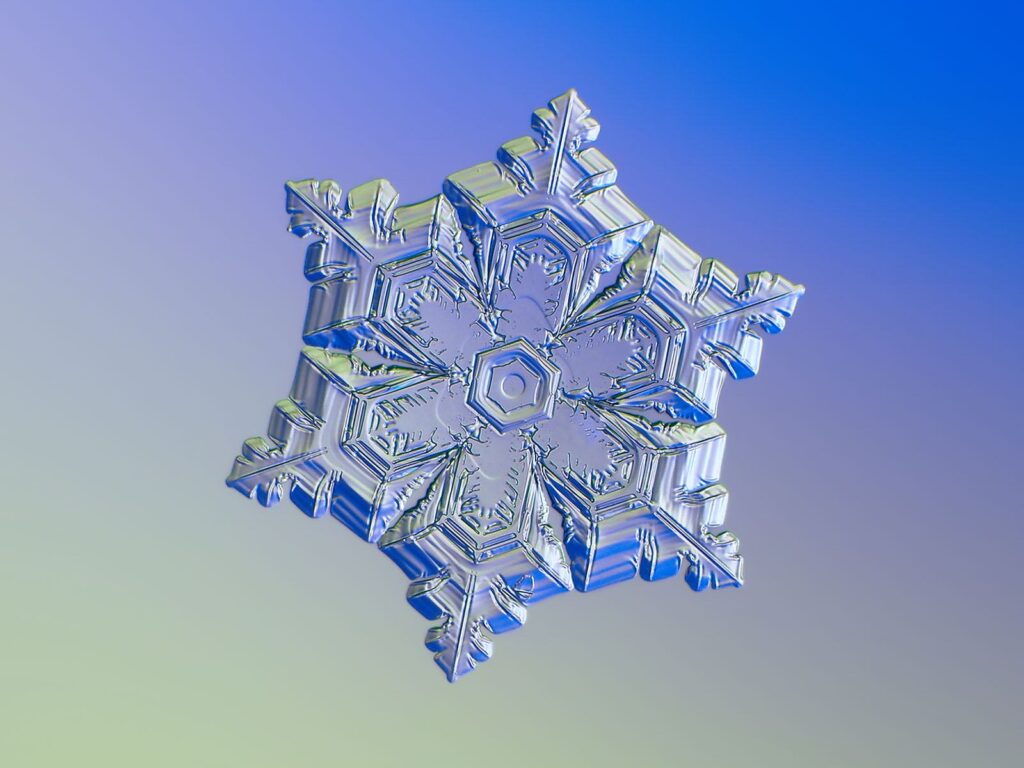
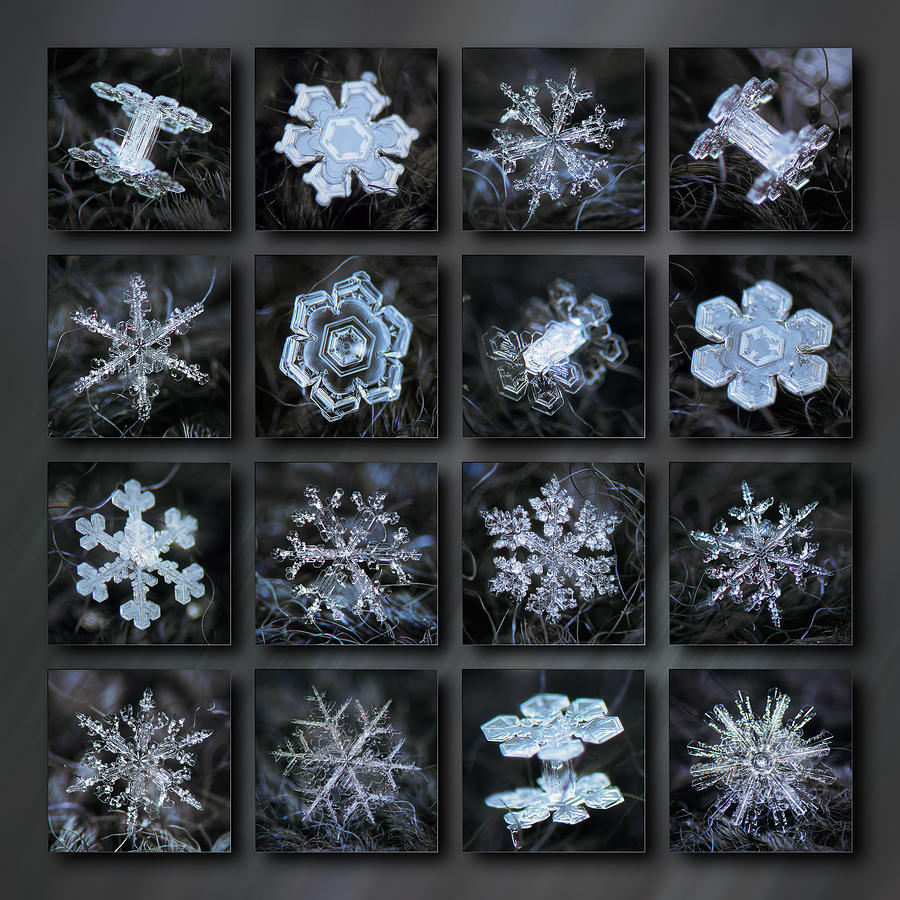
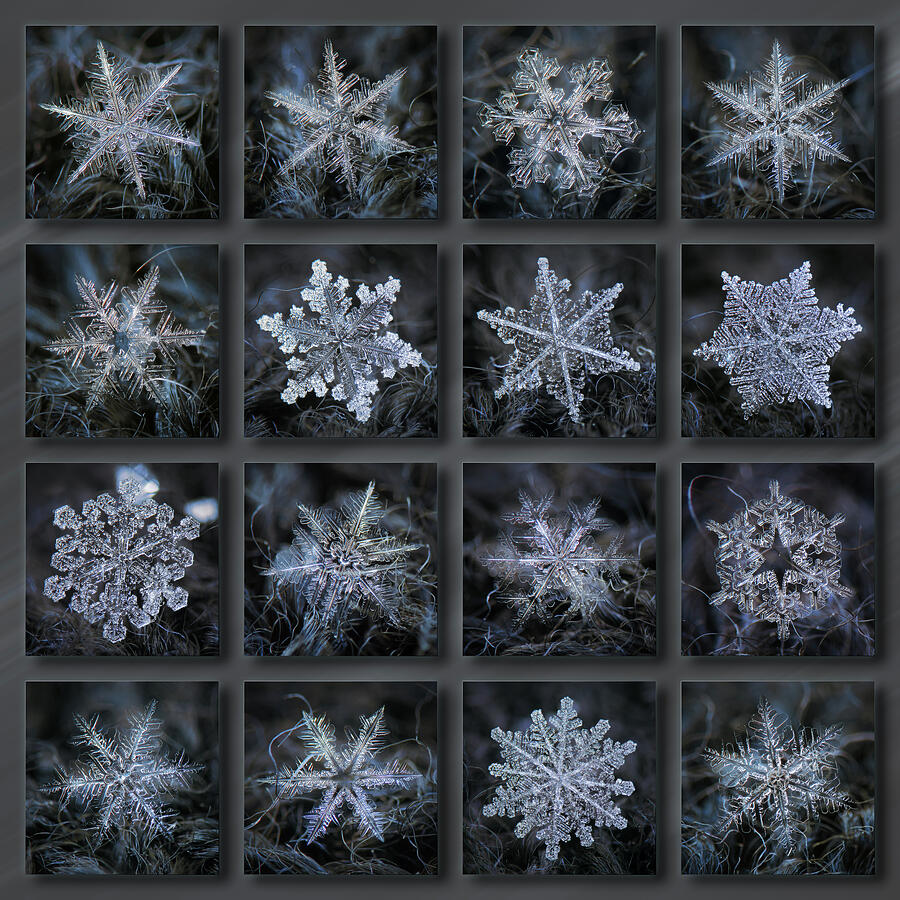
Alexey Kljatov is widely admired for his extraordinary macro photographs that reveal the hidden architecture of snowflakes — patterns far too intricate for the naked eye to appreciate. Working outdoors in freezing temperatures, he waits patiently for fresh flakes to land on dark materials such as wool or glass. This method helps isolate each tiny crystal before it melts or breaks apart. His setup is simple yet brilliantly effective, often using older reversed lenses to achieve magnification levels far beyond what standard cameras can deliver.
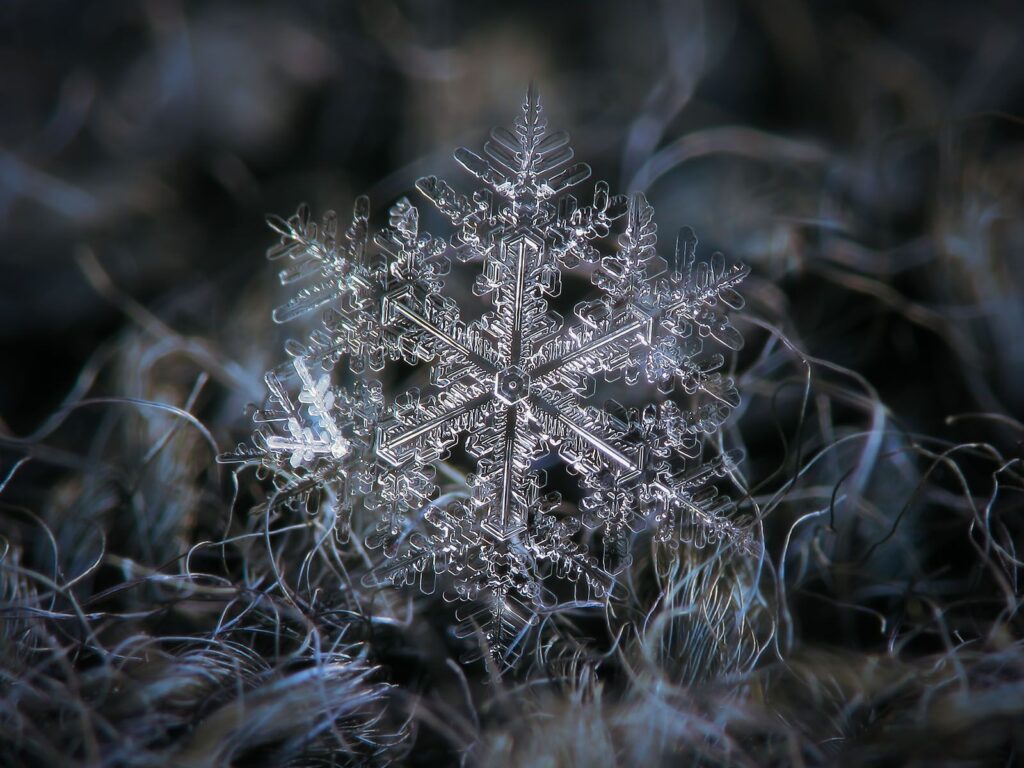
When Alexey finds an ideal snowflake, he captures several images of the same crystal and blends them together, reducing noise and sharpening the final structure. His results showcase striking six-sided symmetry, branching arms, and delicate micro-details that appear almost handmade.
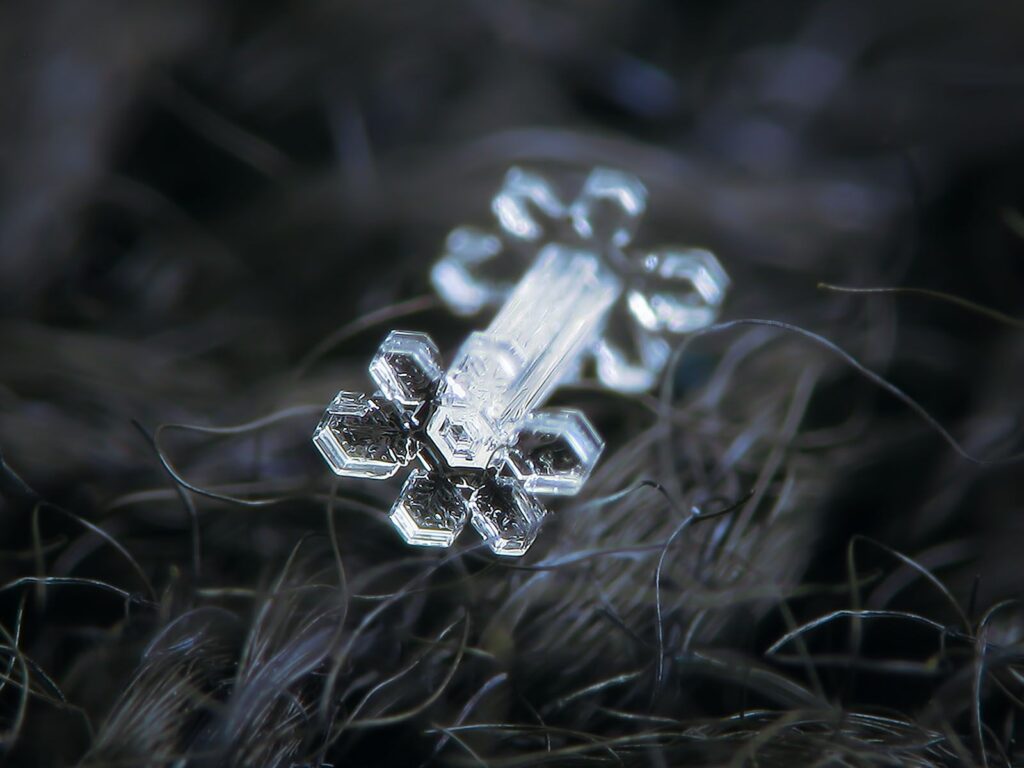
His work resonates because it transforms something familiar into something extraordinary. Each snowflake is shaped by shifts in temperature and humidity as it travels through the air — making every crystal a unique work of natural art.
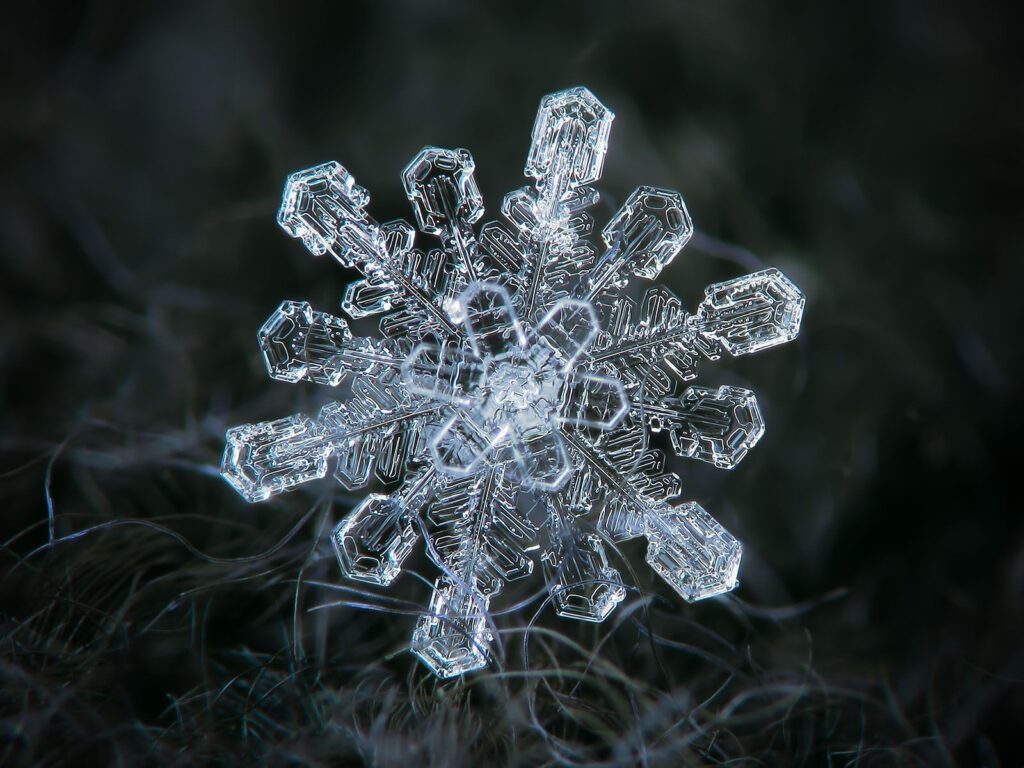
Alexey’s fascination with snowflakes began in 2008 when he stumbled upon Kenneth Libbrecht’s photo collection, which inspired him to embark on his own journey into macro snowflake photography. Living in a cold climate with long winters, his balcony became the perfect place to observe falling snow and capture rare crystals up close.
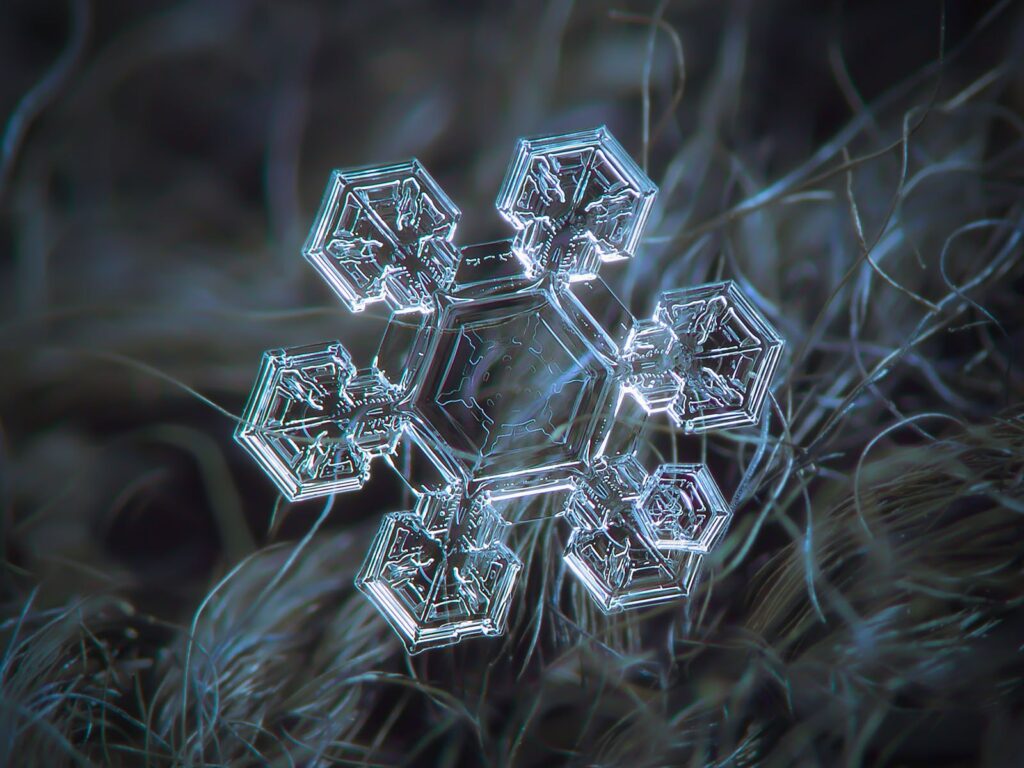
He explains that only certain snowfalls produce true photographic gems. Many storms create irregular or rime-covered crystals that appear thick and opaque, hiding their original shapes. But during rare “super-snowfalls,” the world becomes decorated with intricate, perfectly formed snowflakes. Even after photographing thousands of crystals, he still finds himself saying “Wow!” when reviewing images from these moments.
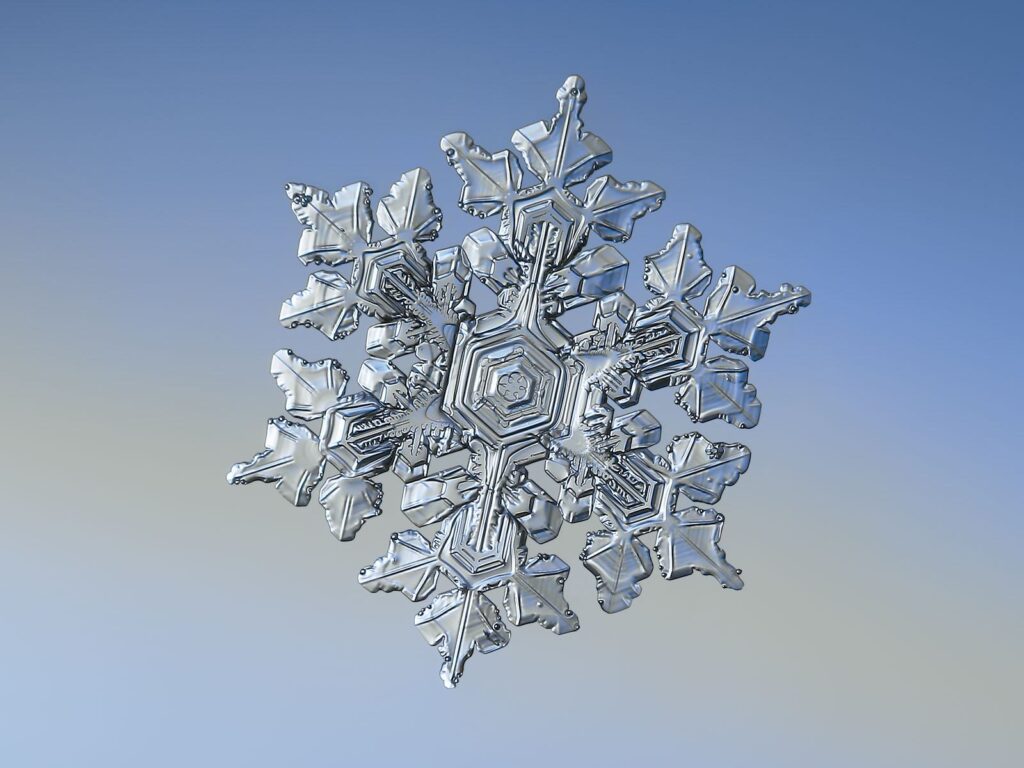
Alexey admits that his early attempts were full of mistakes, but each trial helped refine his technique and workflow. Today, he uses a modest yet clever setup: a Canon Powershot A650is combined with a Helios 44M-5 lens. Shooting at maximum optical zoom through external lenses, he overcomes challenges like wind and melting snow by using an Ultra Intervalometer script that captures rapid bursts with instant re-focusing.
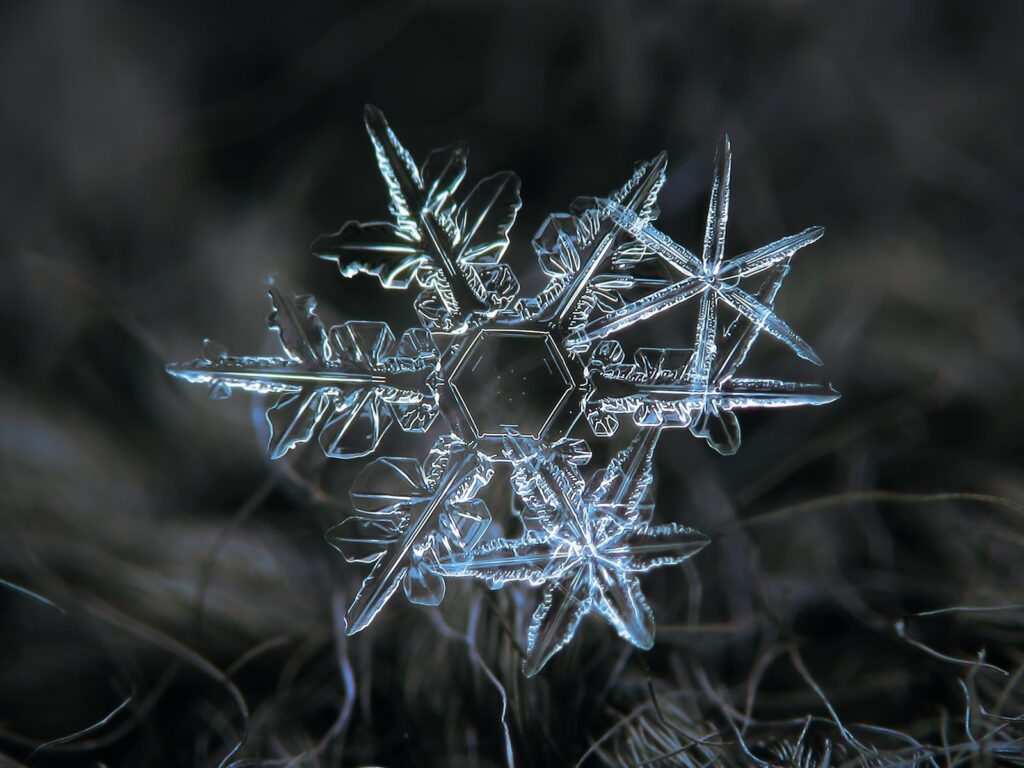
For darker backgrounds, he photographs flakes resting on black wool under diffused natural light. For lighter gradient backgrounds, he uses a horizontal sheet of glass illuminated from below with LED light.
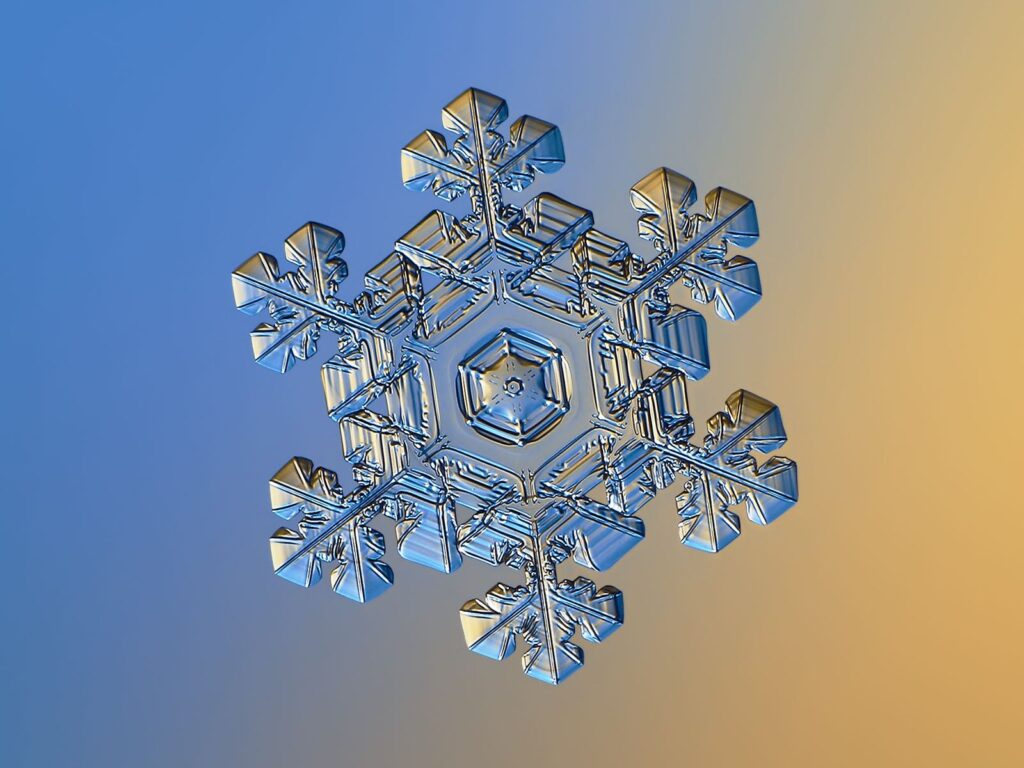
While each snowflake photo can take hours of work, Alexey finds the process incredibly rewarding. Snowflake photography, he says, is a perfect hobby for anyone who loves macro work and lives in a cold climate. His advice to new photographers is simple: even with inexpensive equipment, great results are possible — all it takes is patience, curiosity, and a little luck.
“Give it a try,” he encourages.
Leave a Reply