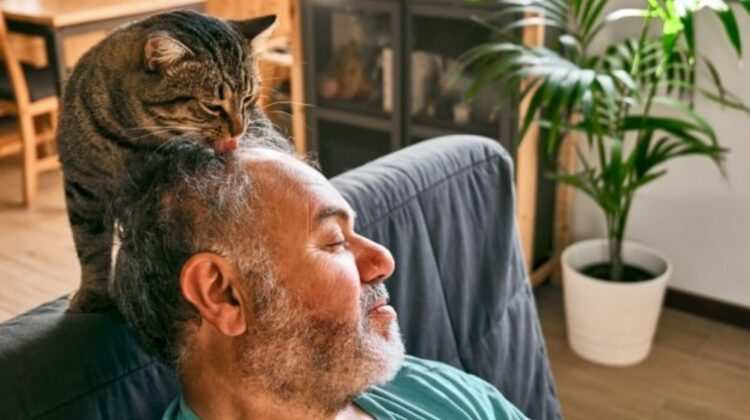
Cats are endlessly fascinating creatures. Elegant, independent, and full of odd little habits, they often leave their humans wondering what’s going on inside those mysterious minds. One behavior that frequently puzzles cat owners is licking — especially when a cat seems determined to groom you instead of herself.
That rough, sandpaper-like tongue may feel strange, but it’s rarely random. Cats devote up to 8% of their waking hours to grooming, making licking one of the most natural behaviors they have. When that behavior is directed at a human, it usually carries meaning — and more often than not, it’s positive.
While science hasn’t pinpointed a single explanation, animal behaviorists agree there are several well-supported reasons cats lick their people.
A Sign of Affection and Trust
One of the most common explanations is affection. In the feline world, grooming isn’t just about hygiene — it’s a social bond. Mother cats lick their kittens to comfort them, and adult cats groom one another in a behavior known as allogrooming.
When your cat licks you, she may be extending that same trust and care, treating you as a valued member of her inner circle.
A Guaranteed Way to Get Attention
Cats are excellent observers. If licking results in petting, talking, or even laughter, your cat quickly learns that it works. For some cats, licking is simply an effective communication tool — a gentle but persistent way of saying, “Focus on me.”
Marking You as Family
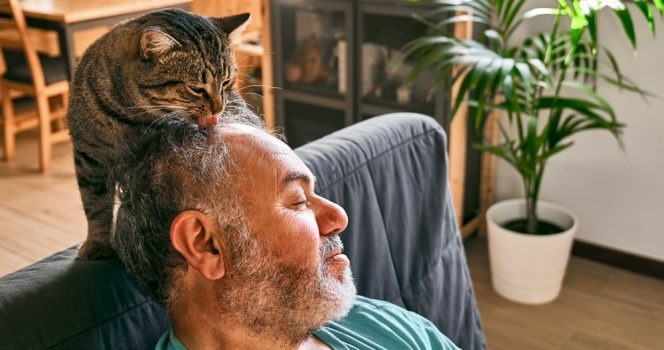
Scent plays a powerful role in feline communication. Cats rely on smell to identify friends, family, and territory. By licking you, your cat may be mixing her scent with yours, subtly marking you as part of her group. It’s the feline equivalent of claiming you as “one of us.”
A Comforting Throwback to Kittenhood
Some licking behaviors are rooted in early development. Kittens knead and lick while nursing, associating the motion with warmth and security. Cats that were weaned too early may carry this behavior into adulthood, especially during moments of relaxation. If licking is paired with purring or kneading, it’s often a sign of deep comfort.
Simply Liking the Taste
Sometimes the explanation is surprisingly simple: cats are curious, and humans taste interesting. Skin carries salt, natural oils, and traces of soap or lotion that may appeal to a cat’s sensitive palate.
That said, it’s important to be cautious — many skincare products can be harmful to cats if ingested, so avoid allowing licking after applying anything scented or chemical-based.
Stress or Anxiety Relief
Licking can also function as a self-soothing behavior. Known as a displacement behavior, it may appear when a cat feels anxious or overstimulated. Changes in routine, unfamiliar visitors, loud noises, or environmental stressors can trigger excessive licking — sometimes directed at people rather than themselves.
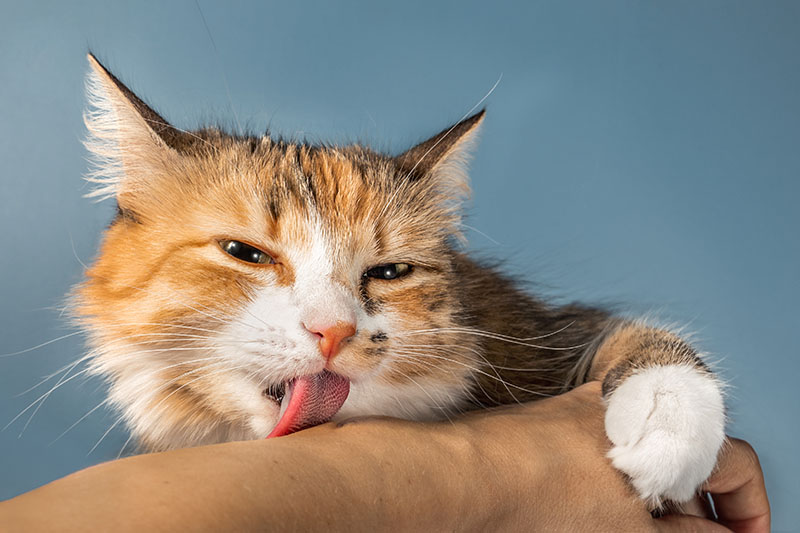
If licking becomes intense or compulsive, it may be worth consulting a veterinarian or behavior specialist.
Possible Medical Causes
In rare cases, sudden or excessive licking can signal an underlying medical issue. Pain, nausea, or discomfort may cause a cat to seek comfort through repetitive behaviors. Any abrupt change in licking habits should be taken seriously and discussed with a vet.
How to Gently Discourage Excessive Licking
If the licking becomes uncomfortable, avoid pushing your cat away or punishing her. Cats don’t respond well to negative reinforcement, and it can increase anxiety.
Instead, calmly redirect her attention. Offer a toy, initiate playtime, or brush her gently. This preserves the bond while setting healthy boundaries — for both of you.
Final Thoughts
When a cat licks you, it’s rarely meaningless. Each lick can carry layers of instinct, affection, habit, and communication. In most cases, it’s a quiet expression of trust — a reminder that, in your cat’s eyes, you’re family.
Understanding the behavior allows you to respond with empathy, maintain boundaries when needed, and strengthen the unique bond you share with your feline companion.
Leave a Reply