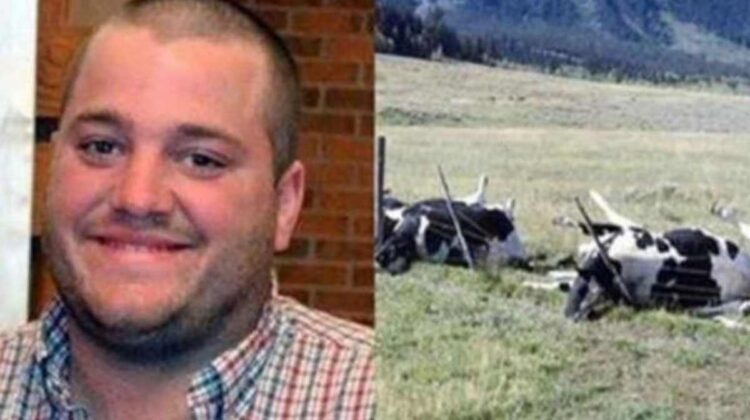
On a seemingly ordinary summer morning in 2016, the gentle hum of farm life masked a hidden danger few could foresee. Michael Biadasz, a passionate young farmer from Amherst, Wisconsin, set out to complete a task he had performed countless times before—preparing the family’s manure pit for hauling. But what should have been a routine day on the farm would end in heartbreak, claiming the lives of Mike and sixteen of his cattle.
The Invisible Danger Beneath the Surface
Manure pits, often overlooked in discussions of farm safety, are microcosms of complex ecological and chemical processes. Rich in nitrogen and organic matter, these pits generate gases like methane and hydrogen sulfide as bacteria break down the organic material. Normally, these gases disperse harmlessly into the air, nourishing surrounding soil and plants. Yet, on August 15, 2016, an unusual atmospheric event created a deadly trap.
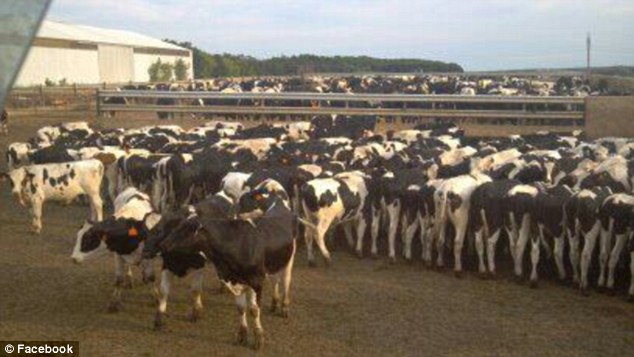
As Mike stirred the pit, a rare layering of warm air and morning fog prevented the toxic gases from rising. Trapped near the surface, the invisible fumes became lethal. By the time fellow farm workers arrived, expecting to begin hauling the manure, Mike lay motionless at the edge of the pit. Sixteen nearby cattle, equally vulnerable, had succumbed as well.
“There was really no sign of anything being different,” recalled Steve Burclaw, Mike’s close friend and colleague. “We’ve all seen foggy mornings before.”

Understanding the Science: Gas, Weather, and Risk
Portage County Coroner Scott Rifleman explained that the accident was caused by a highly unusual meteorological phenomenon. Warm air trapped over the manure pit formed a dome of concentrated gases. Methane, a potent greenhouse gas, and hydrogen sulfide, toxic even in small amounts, created a lethal environment in an otherwise open space—a scenario almost unheard of in gas poisoning cases.
This tragic incident highlights the intersection of environmental science, agricultural practice, and human vulnerability. While farmers work in the open, immersed in ecosystems that support plant growth and livestock, they are constantly navigating unseen chemical and biological forces.
A Family and Community Devastated
The Biadasz family was rocked to its core. Bob Biadasz, Mike’s father, received the news while sitting at home, unaware that his son—the fourth-generation heir to their farming legacy—was gone. Outgoing, warm, and beloved by many, Mike had a rare ability to connect with people of all ages. His sudden loss drew over 1,200 mourners to his visitation—more than the population of Amherst itself—reflecting the profound impact he had on his community.
“I never realized Mike touched so many people,” Bob Biadasz later told the Stevens Point Journal.
Transforming Grief Into Action
In the wake of this tragedy, the Biadasz family transformed their sorrow into a mission: the Mike Biadasz Farm Safety and Education Memorial Fund. This initiative educates farmers on the hidden dangers of manure gas exposure, advocating for stronger safety practices, proper ventilation, and emergency preparedness.
Through seminars, safety training, and public awareness campaigns, the fund emphasizes that farmers, who work tirelessly to feed the world, deserve the knowledge and tools to protect themselves and their workers. By highlighting the chemical processes in manure storage, the fund also raises environmental awareness, connecting human safety to sustainable agricultural practices and responsible waste management.
Honoring a Legacy
Communities around Amherst continue to honor Mike’s memory. Tractors lined the roads to Biadasz Farms, and farm equipment stood as silent monuments to a life devoted to the land. The Biadasz family’s efforts have inspired a nationwide shift in farm safety awareness, ensuring that the risks of agricultural work are better understood, mitigated, and respected.

Mike Biadasz’s story is a somber reminder of the invisible hazards present in everyday farming. Sharing his legacy not only honors his life but also safeguards future generations of farmers, intertwining human, botanical, and environmental knowledge for a safer, sustainable world.
Farmers and homeowners alike can benefit from learning about safe handling of manure, greenhouse gas management, and natural remedies for soil enrichment. Investing in eco-friendly agricultural products, air quality monitors, and sustainable farm equipment not only protects health but also supports environmental stewardship. For families and agricultural professionals, understanding toxic gas risks, dental health from natural diet, and organic plant-based supplements can improve well-being while reducing exposure to harmful chemicals.
Leave a Reply