
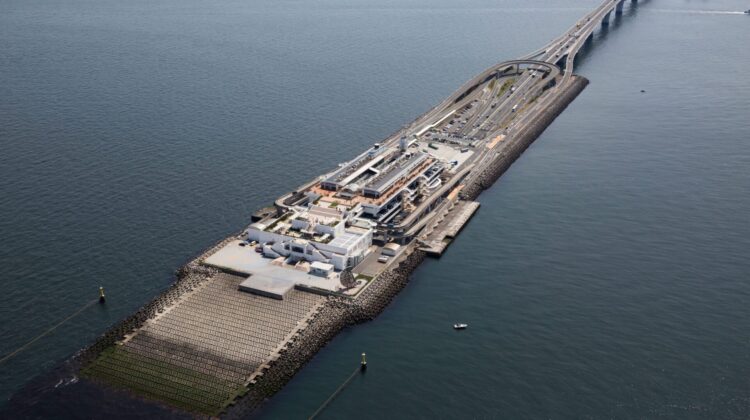
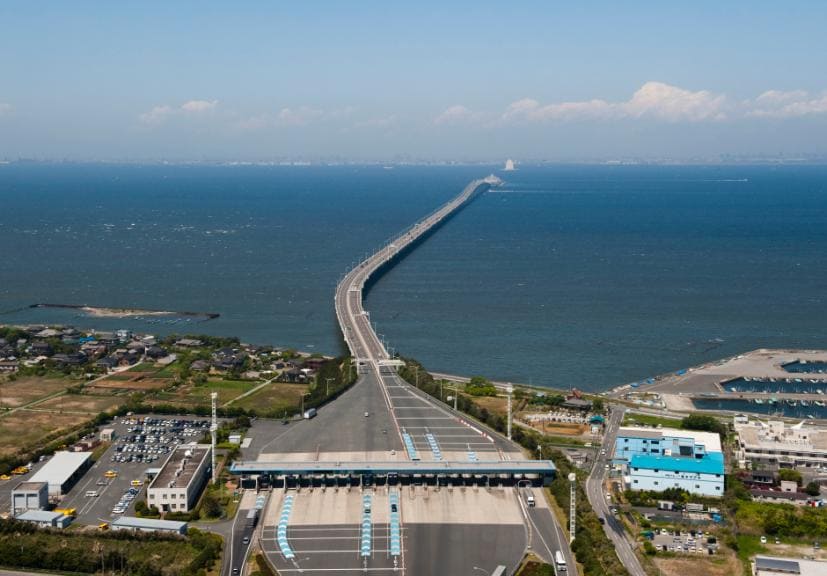
Japan has long been admired for its bold engineering projects, but few are as striking as the Tokyo Bay Aqua-Line. This unique highway combines bridge and tunnel technology to connect Kawasaki in Kanagawa Prefecture with Kisarazu in Chiba Prefecture — a feat that transformed regional travel and became a symbol of human ingenuity.
Why an Underwater Highway Was Needed
Tokyo Bay is one of the busiest maritime zones in the world, with constant ship traffic and strong natural forces. For decades, crossing the bay meant taking a long detour around its perimeter, a journey that often took hours. The distance across the water was only about 14 kilometers, but the absence of a direct route hampered trade, commuting, and tourism between the two sides.
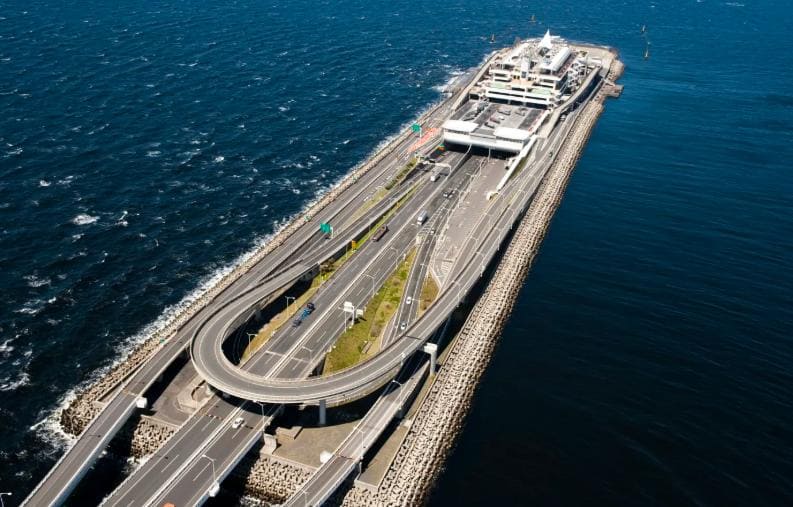
By the 1980s, Japanese planners envisioned a bold solution: a hybrid structure combining a long underwater tunnel with an elevated bridge, meeting in the middle at an artificial island.
Building the Aqua-Line
Construction began in 1989, involving thousands of workers and some of the most advanced civil engineering methods of the time. The total cost surpassed $11 billion, making it one of the most expensive road projects ever built.
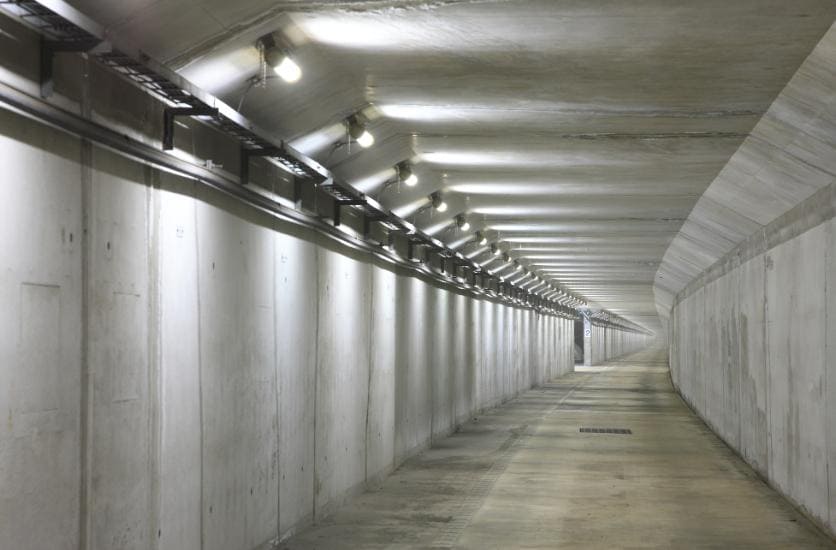
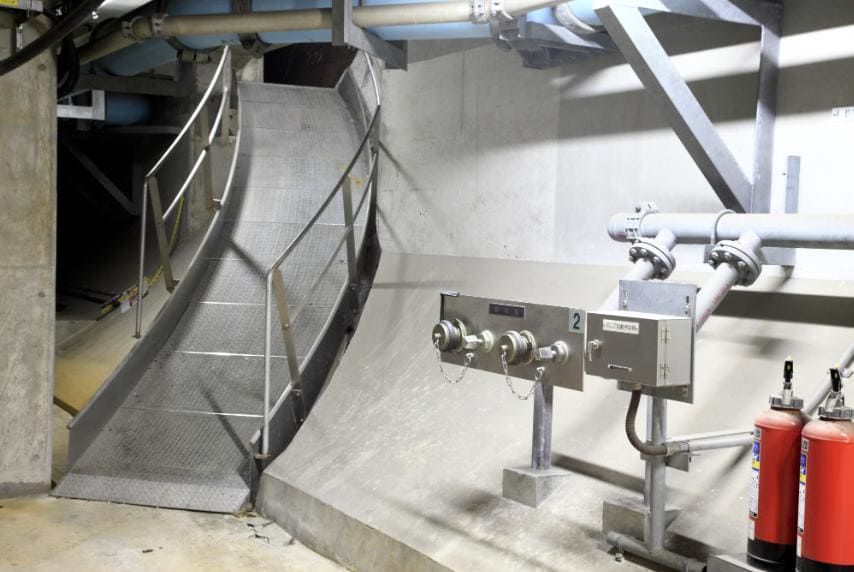
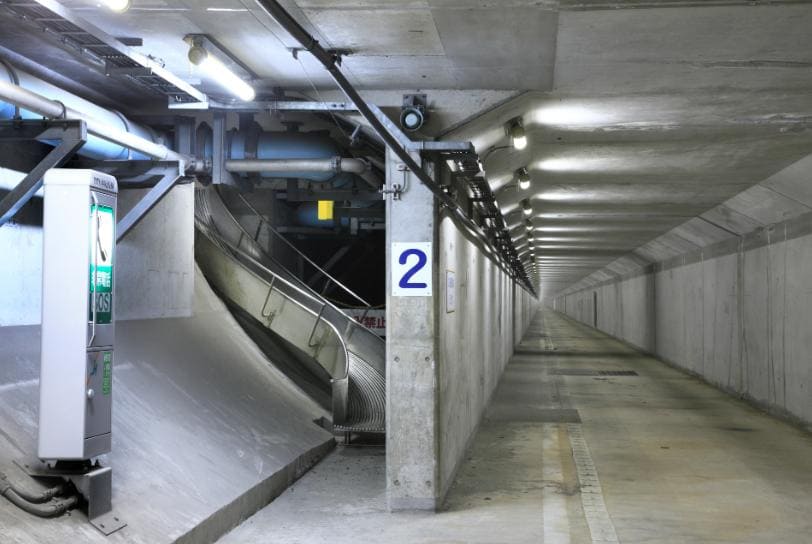
The most challenging section was the 9.6-kilometer underwater tunnel, one of the longest in the world, designed to withstand immense water pressure and even earthquakes. Engineers installed advanced ventilation and seismic systems to ensure safety in Japan’s disaster-prone environment.
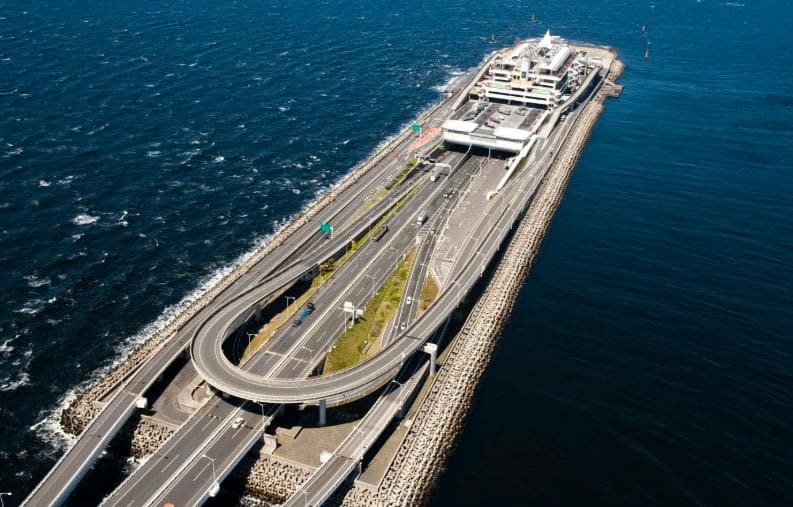
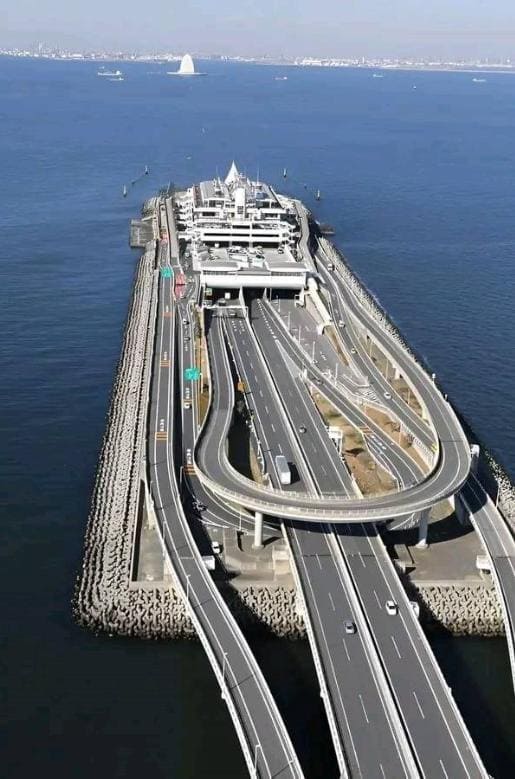
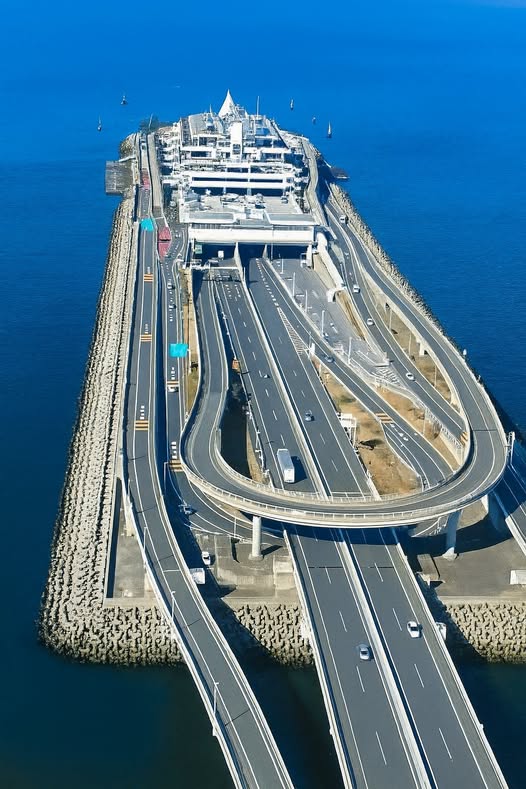
In the middle of the bay, they constructed Umihotaru Island, a futuristic service area that houses parking, restaurants, and observation decks. Nicknamed the “sea firefly,” Umihotaru is not just a rest stop but also a tourist attraction in its own right, offering panoramic views of Mount Fuji, Tokyo Tower, and the Pacific horizon.
A National Achievement
When the Aqua-Line opened in 1997, it instantly reduced the trip across the bay to just 15 minutes. Initially, high tolls discouraged heavy use, but over time fees were reduced, and traffic increased steadily. Today, the Aqua-Line carries tens of thousands of vehicles daily and plays a crucial role in regional connectivity.
More Than a Road
The Aqua-Line is not merely a transportation link; it’s a symbol of Japanese determination to innovate against natural odds. By blending practical infrastructure with iconic design, it demonstrates how engineering can be both functional and inspirational.
Umihotaru Island, with its futuristic facilities, continues to attract visitors who come not just to cross the bay but to experience Japan’s underwater wonder firsthand.
Legacy of Innovation
Nearly three decades after its opening, the Tokyo Bay Aqua-Line remains a testament to bold vision and technical brilliance. It reminds us that even the most formidable obstacles — deep waters, strong currents, and seismic threats — can be overcome with determination and creativity.
For Japan and the world, it stands as a shining example of how infrastructure can transform societies, unite regions, and inspire generations.
Leave a Reply