
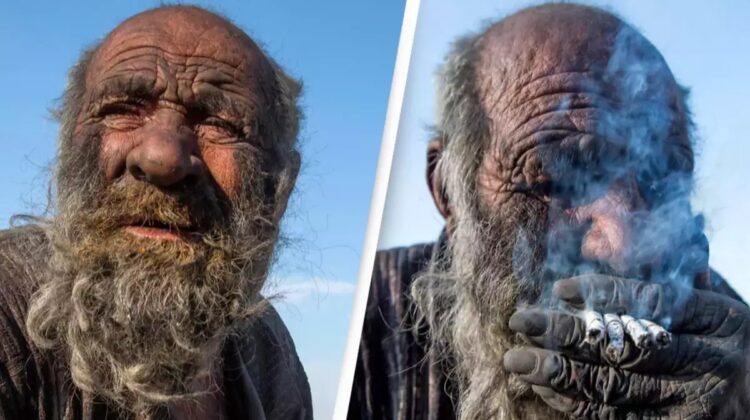
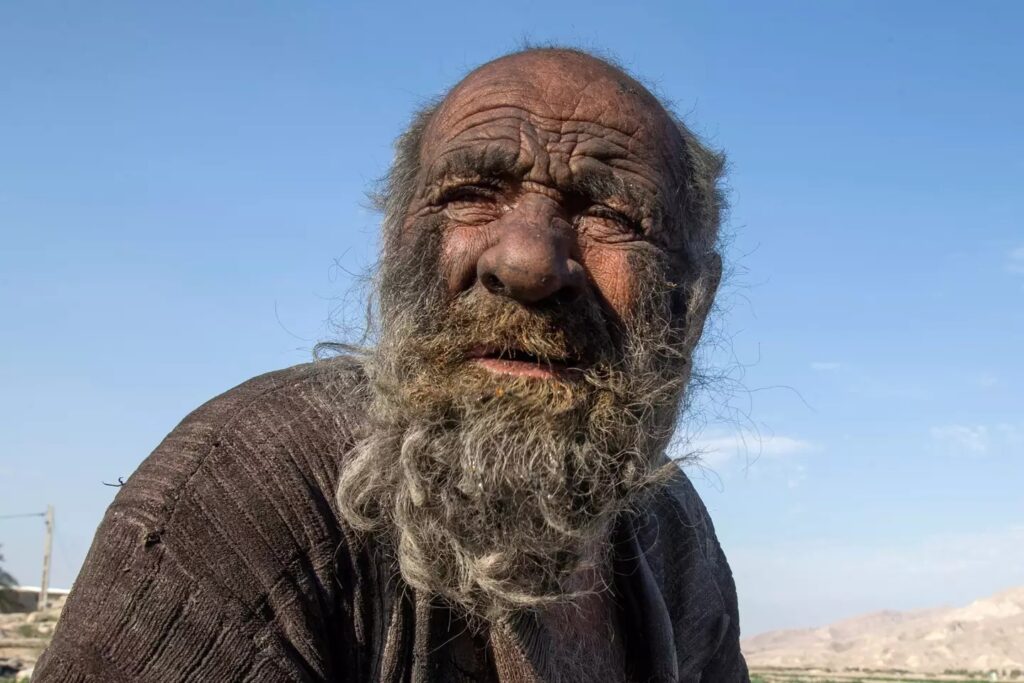
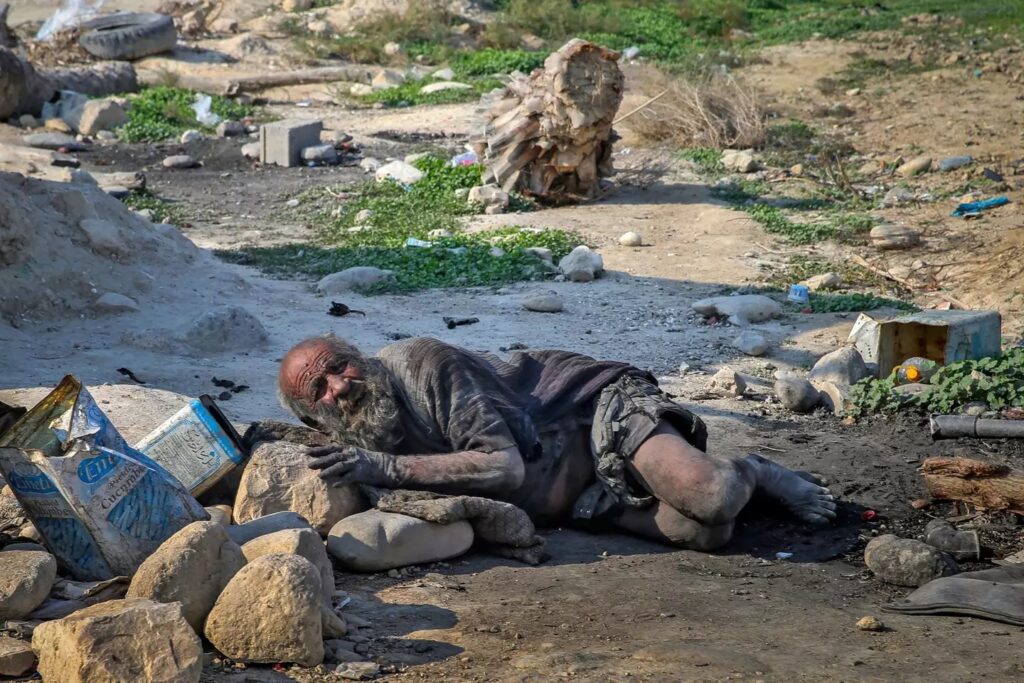
For over six decades, Amou Haji — known internationally as “the world’s dirtiest man” — refused to take a bath, drink clean water, or even use soap. To many, his lifestyle seemed bizarre, but experts believe there was a much deeper explanation behind his choices — one rooted in mental health and trauma.
A Life Defined by Fear
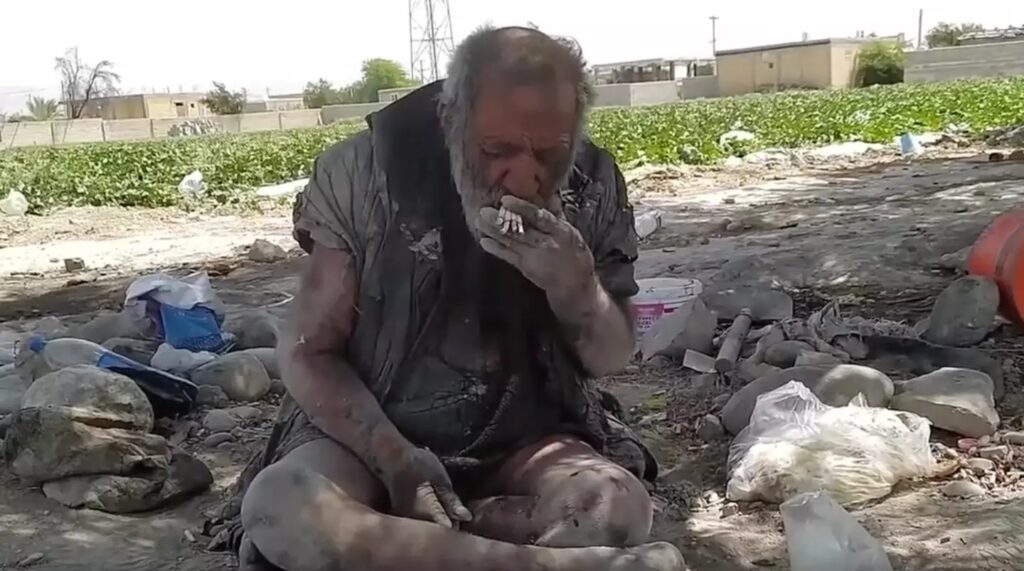
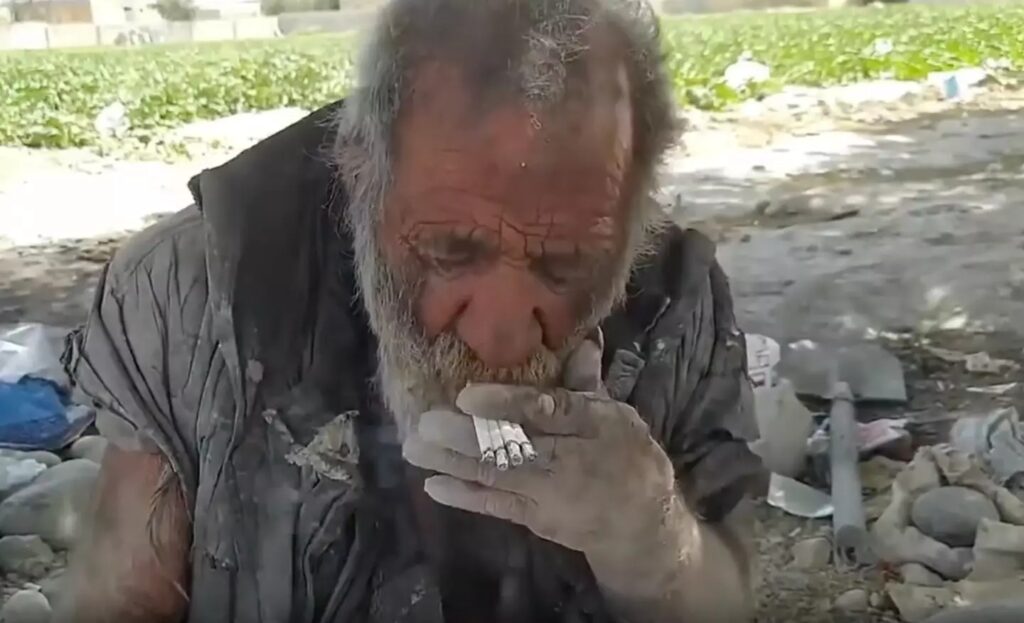
Amou Haji, who lived in the small Iranian village of Dejgah, avoided washing himself for over 60 years because he believed that soap and water could make him sick. His skin, covered in layers of soot and dirt, became a symbol of his complete isolation from society.
According to psychologists, his behavior is consistent with a rare condition known as Ablutophobia — a severe anxiety disorder characterized by an extreme fear of bathing or cleaning.
Understanding Ablutophobia
Ablutophobia is classified under specific phobias, often triggered by past trauma or long-term anxiety.
Dr. Siva Yechoor, a psychiatrist at The Toledo Clinic, explains:
“We see this condition mostly in individuals who’ve experienced a traumatic event related to water. It’s not about laziness or ignorance — it’s a deep-rooted fear response.”
Those who suffer from this disorder may experience:
- Intense panic or shortness of breath when exposed to water
- Rapid heartbeat or nausea
- Avoidance behaviors that isolate them from society
How Phobias Like This Are Treated Today
Modern mental-health experts emphasize that conditions such as Ablutophobia are highly treatable. Treatments include:
- Cognitive Behavioral Therapy (CBT) to reframe negative associations with water
- Exposure therapy, where patients are gradually reintroduced to washing in safe environments
- Medication for severe anxiety or panic attacks
Online therapy programs and mental-health awareness campaigns across the Gulf are increasingly offering personalized phobia treatment, allowing patients to seek help from licensed psychologists without stigma.
The Tragic End — and the Lesson Left Behind
After years of persuasion, villagers convinced Amou Haji to wash for the first time. Sadly, he fell ill shortly after and passed away at age 96.
While his story sounds tragic, it highlights an essential truth:
🧩 mental health is just as vital as physical health.
Millions worldwide silently suffer from phobias, anxiety, or obsessive fears — often misunderstood or dismissed. Haji’s life reminds us that compassion, understanding, and access to professional therapy can transform lives.
Final Thought
What we often label as “strange behavior” can sometimes be a desperate attempt to cope with unseen trauma.
If Amou Haji’s story teaches us anything, it’s that no fear is too small or too irrational to deserve help.
Mental health awareness — and the courage to seek treatment — remains one of humanity’s greatest acts of self-care.
Leave a Reply