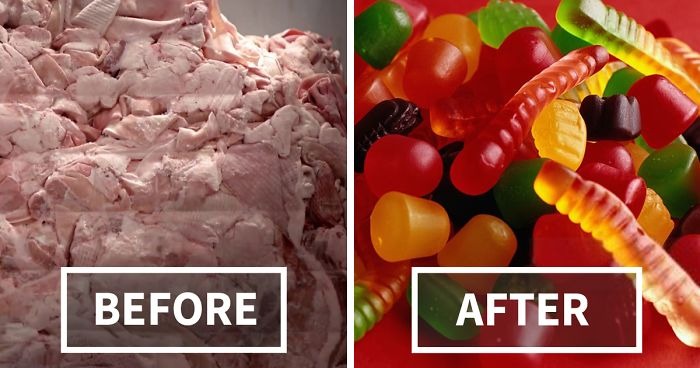
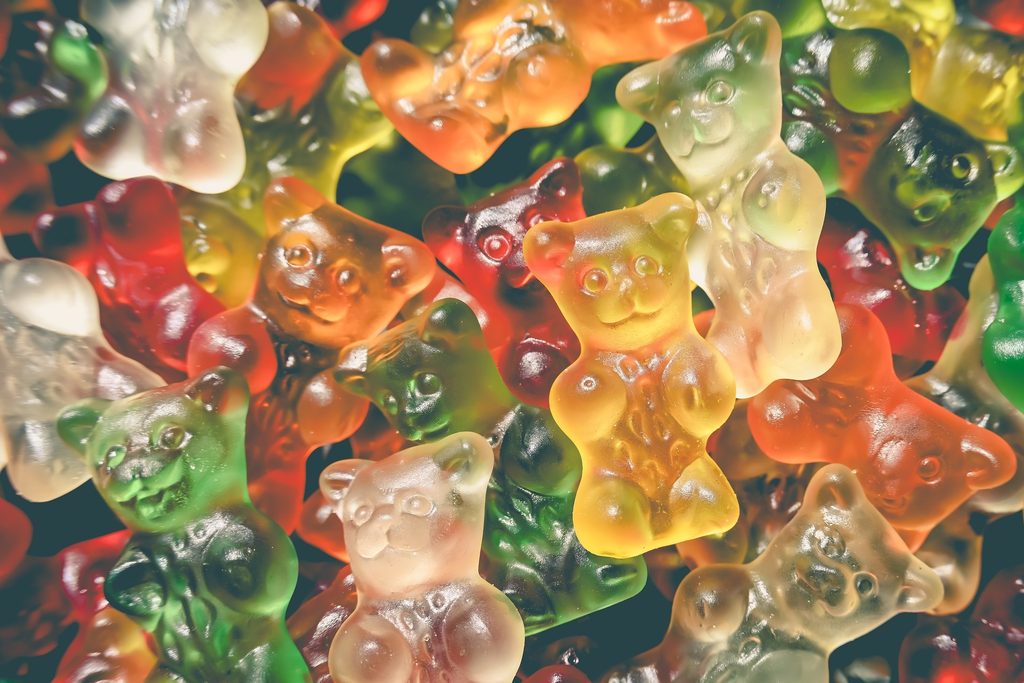
Gummy bears, marshmallows, Jell-O, and countless pill capsules all rely on the same ingredient to get their signature wobble, chew, or dissolve: gelatin. Despite how far removed the finished product looks from its source, the science behind it is well documented — and genuinely interesting.
What Gelatin Actually Is
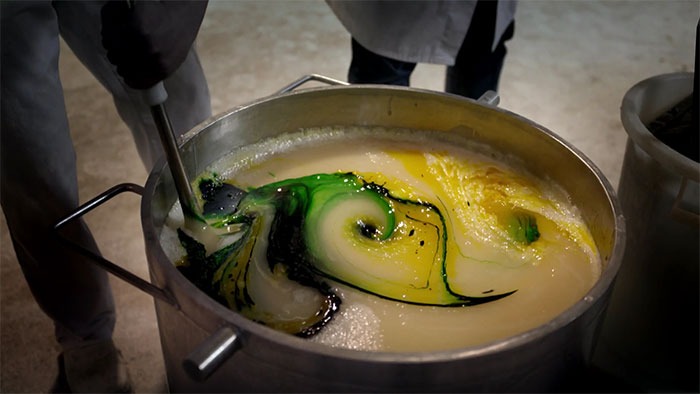
Gelatin is processed collagen — specifically, hydrolyzed collagen. Collagen is the structural protein found throughout animal (and human) skin, bones, cartilage, and connective tissue, giving those tissues their strength and elasticity. According to researchers at McGill University’s Office for Science and Society, gelatin is produced by heating an acidified extract of animal bones or skin: the heat breaks collagen’s long protein chains into smaller, water-soluble fragments called peptides. Once the water evaporates, what’s left behind can be processed into sheets or powder — gelatin.
Where It Comes From
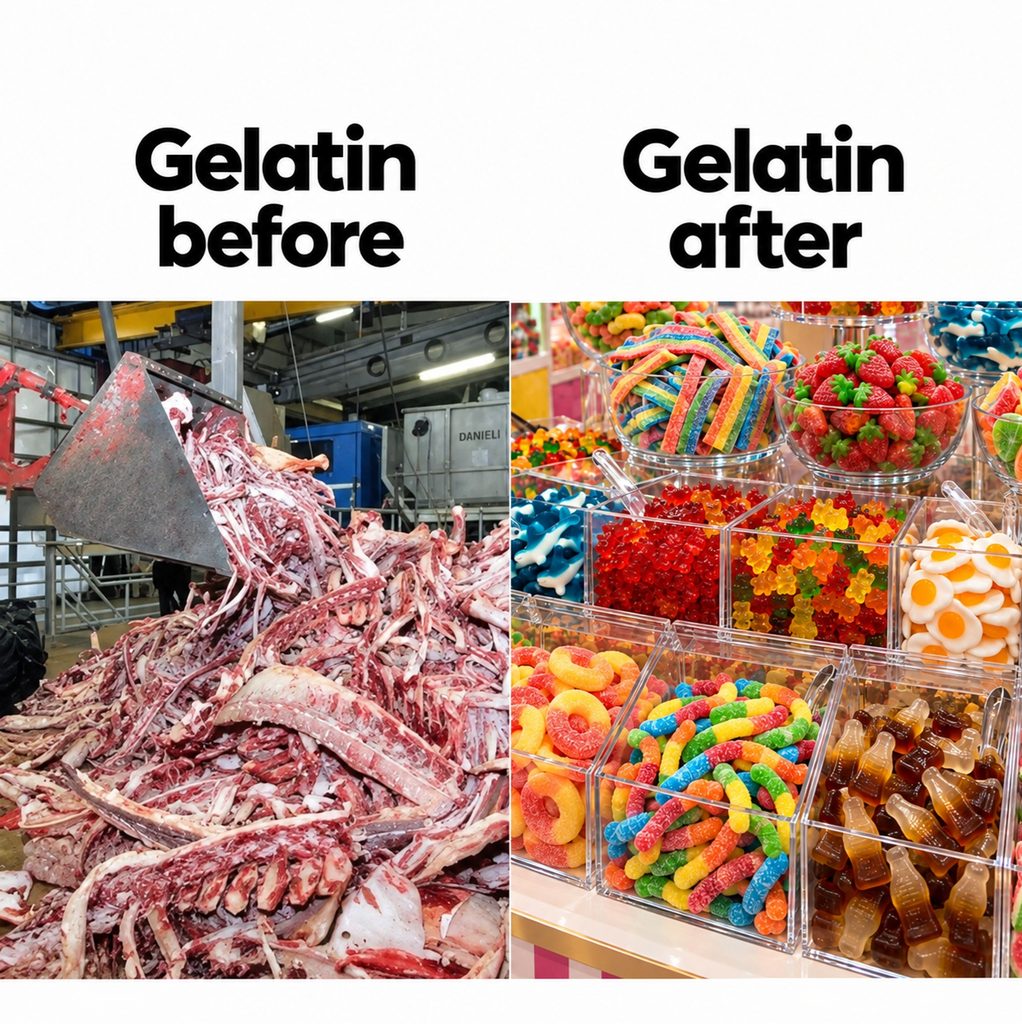
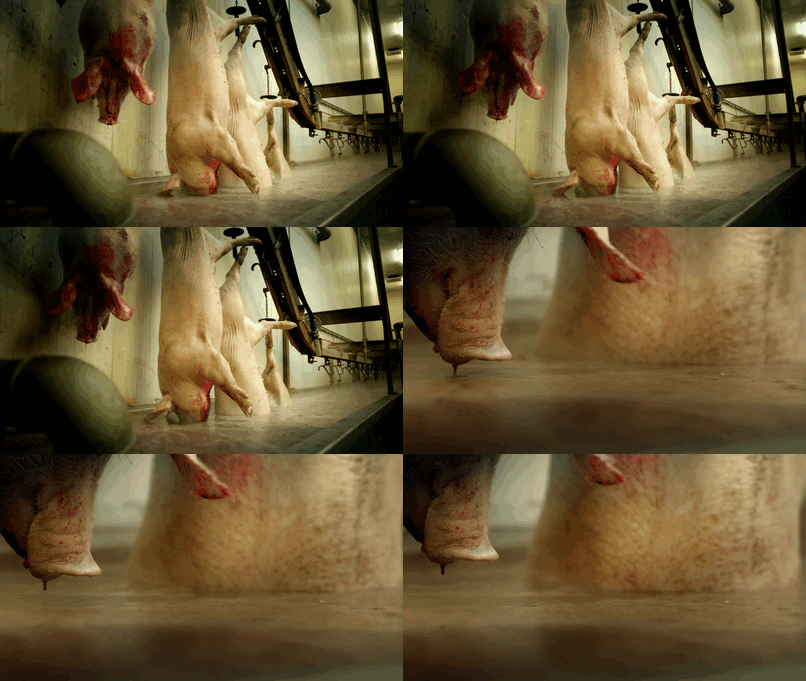
Commercial gelatin production typically uses skin, bones, and connective tissue from pigs, cows, and sometimes fish — usually sourced as byproducts from meat processing rather than driving any animal slaughter on their own. Food scientist Kantha Shelke, an Institute of Food Technologists expert, has noted that these are materials “generated as waste during animal slaughtering and processing” — using them for gelatin means less of the animal goes unused, rather than animals being processed specifically for gelatin production.
A Sweet Accident of German Candy-Making
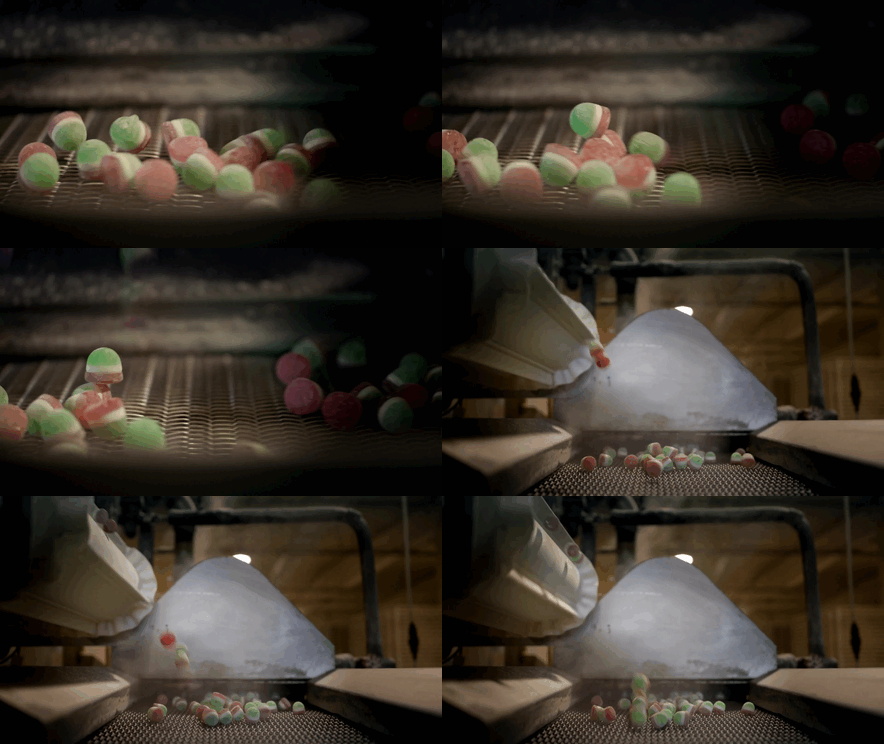
Gelatin’s role in candy has a fairly specific origin story. The earliest gummy-style candies, thought to be Turkish delight from the Ottoman Empire, were made using plant-derived starches rather than gelatin — a labor-intensive process that was difficult to replicate in Europe at the time. In the late 19th century, German confectioner Hans Riegel — founder of Haribo — found that gelatin achieved a similar chewy texture far more efficiently, leading to the first commercially produced gummy bears.
Why It’s So Widely Used
Gelatin’s popularity comes down to a fairly unique combination of properties: it’s colorless, flavorless, and dissolves in warm water, but sets into a stable gel as it cools — a texture that’s genuinely difficult to replicate cheaply with other ingredients. That versatility is why it shows up in far more than candy: gummy vitamins, marshmallows, some yogurts, photographic film, and pharmaceutical capsules all rely on the same basic chemistry.
Plant-Based Alternatives Exist
For anyone looking to avoid animal-derived gelatin — whether for dietary, religious, or ethical reasons — several plant-based substitutes are widely available:
- Agar-agar, derived from seaweed, is the most common vegan substitute and works similarly in most recipes.
- Pectin, extracted from fruit, is frequently used as a gelling agent in jams and some gummy candies.
- Carrageenan, also seaweed-derived, is commonly used in vegan versions of Jell-O and marshmallows.
- Xanthan gum functions more as a stabilizer than a direct gelatin replacement, but appears in many plant-based formulations.

Reading an ingredient label is really the only reliable way to know which one a given product uses — “gelatin” without further specification almost always means the animal-derived version.

Frequently Asked Questions
Is all gelatin derived from pigs specifically? No — commercial gelatin commonly comes from cows and fish as well as pigs, and the specific source can matter for people avoiding particular animal products for religious or dietary reasons, so checking the packaging or manufacturer is the most reliable way to know.
Does gelatin have any nutritional or health benefits? Gelatin is a source of amino acids and has been marketed for potential skin, joint, and gut-health benefits, though the candies and desserts it’s typically found in usually contain enough added sugar that they shouldn’t be considered a health food regardless of the gelatin itself.
How can I tell if a gummy candy is vegan? Check the ingredient list for “gelatin” — if it’s absent and replaced by pectin, agar-agar, or carrageenan, the product is typically vegan-friendly, though it’s worth confirming with the manufacturer if avoiding all animal-derived ingredients is important to you.
Sources: McGill University Office for Science and Society, Sentient Media, and Mic, cited above.
Leave a Reply