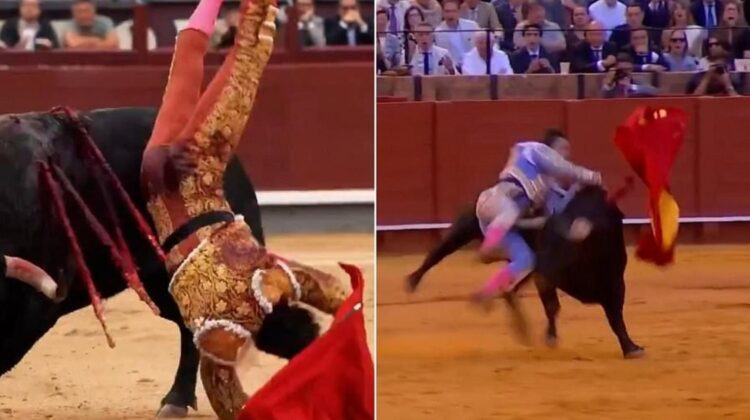
Andrés Roca Rey is widely regarded as one of the biggest stars in modern bullfighting — and also one of its most frequently injured. His latest brush with disaster, in the bullring at Arles in southern France, is only the newest entry in a decade-long list of narrow escapes that has earned him an unflattering nickname among some observers: the “world’s worst matador.”
Tossed Within Minutes
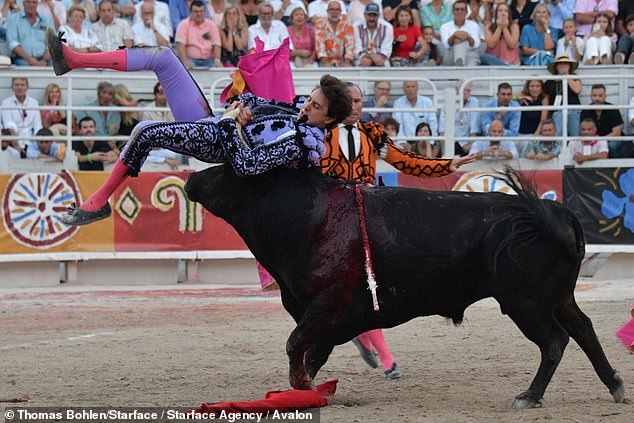
Just minutes after entering the ring in Arles, Roca Rey was lifted clean off his feet, hoisted onto the bull’s horns, and carried around the arena as horrified spectators watched. The bull went on to slam him to the ground, where he lay motionless and bloodied before eventually getting back up — and, remarkably, returning to face the animal again.
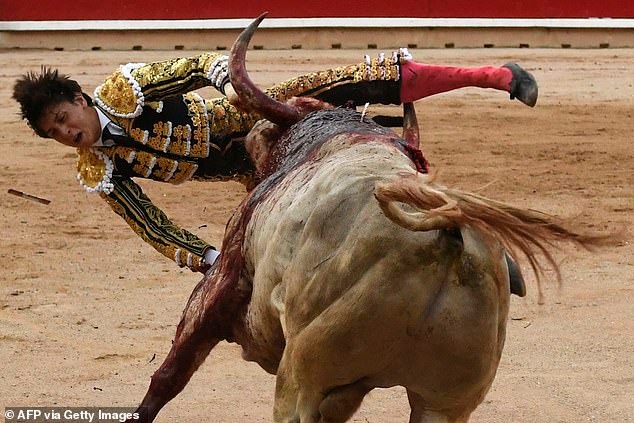
It was the latest chapter for a bullfighter often dubbed the “Messi of matadors” for his popularity and technical skill, despite — or perhaps partly because of — a career defined by narrow escapes.
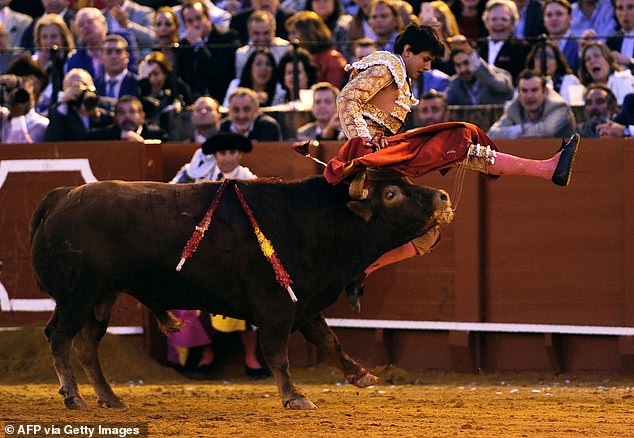
A Career Built On Risk
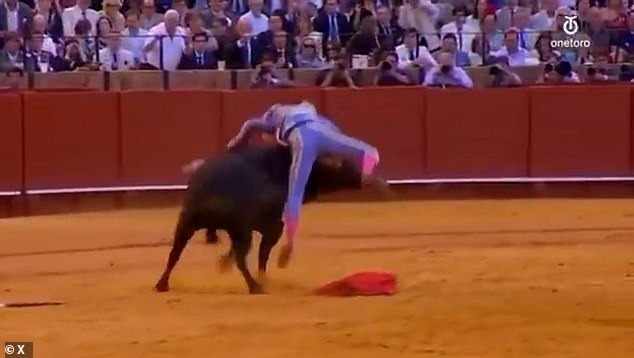
Roca Rey was born in Peru into a bullfighting family and moved to Spain as a child to pursue the sport professionally. He debuted as a full matador at 19, and his first season did little to suggest a long career: he was gored in each of his first five bouts, prompting one British tabloid’s now-infamous 2016 headline mocking him as the sport’s worst performer.
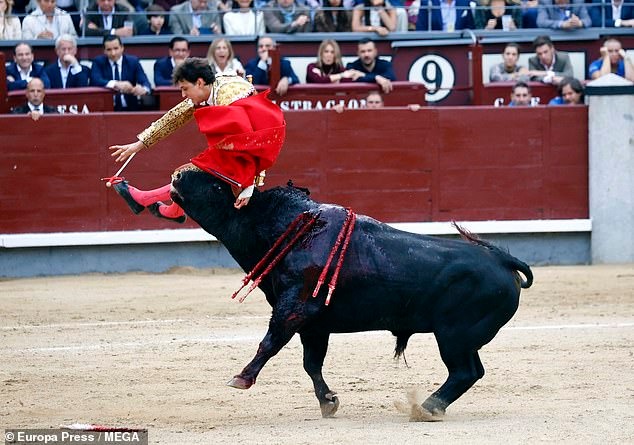
Critics who follow the sport closely tend to see it differently. Writing in The Critic magazine, one journalist described Roca Rey’s repeated gorings early in his career not as recklessness, but as the cost of chasing “the point of maximum artistic value” — working so close to the bull’s horns that fabric and flesh were nearly indistinguishable to onlookers. Bullfighting critic Antonio Lorca has compared his stature in the sport to that of Lionel Messi or Cristiano Ronaldo in football: no other matador fills arenas quite the way he does.
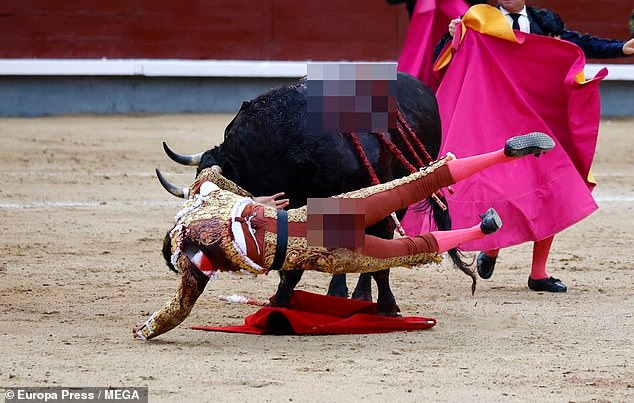
Roca Rey himself has been unapologetic about the risk. In a 2021 interview with The Critic, he compared his relationship with bullfighting to a romantic one: “If you commit yourself 100 per cent to another person, you can get more out of the relationship, but you can also get more badly hurt. It’s the same in the arena.”
A Long List Of Close Calls
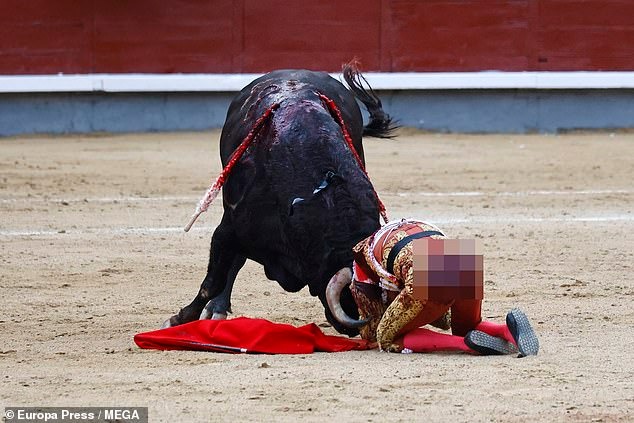
Roca Rey’s injury history reads less like a résumé and more like a medical chart. In April 2016, he was gored in the thigh at Seville’s La Maestranza bullring in front of Spain’s former king, Juan Carlos. That same year, he was gored again during the San Fermín festival in Pamplona, knocked unconscious after being struck in the head in Málaga, and then knocked out a second time weeks later during a bull-inflicted fall in Palencia. Earlier in his career, he also lost two teeth after taking a direct horn blow to the mouth.
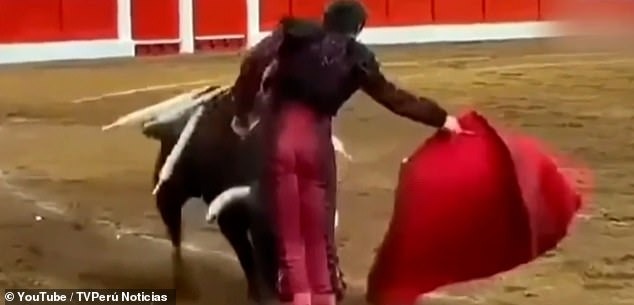
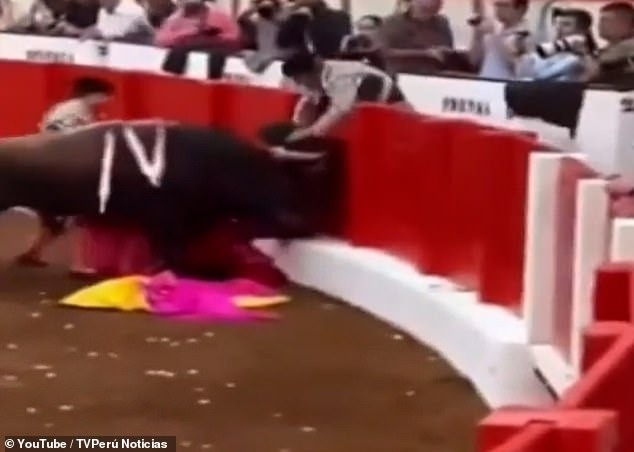
In July 2023, at the Santiago Fair in Santander, a 467-kilogram bull rammed him repeatedly into the ring’s wooden barriers, leaving him with injuries to his face, neck, thigh, and knee — injuries he later described as the worst of his career to that point. Fellow matador Cayetano Rivera stepped in without his cape to distract the bull and pull him to safety.
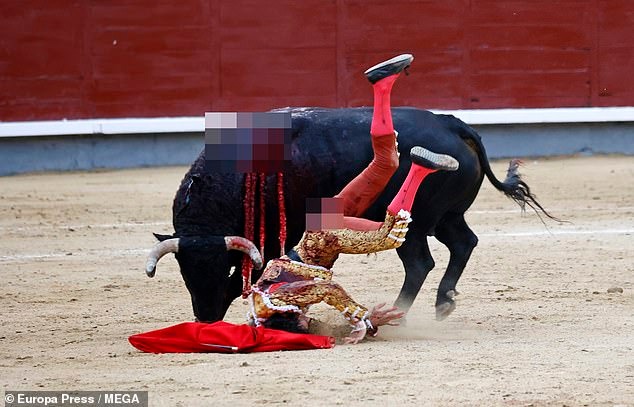
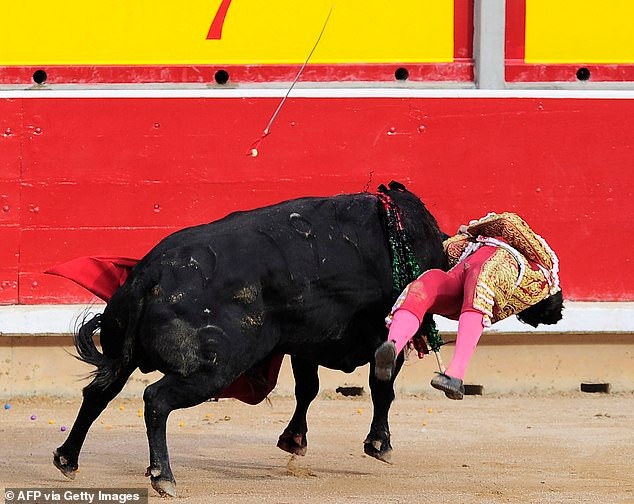
Less than a year later, in April 2024, Roca Rey suffered a severe goring in Seville that left him with a 35-centimeter wound to his leg and serious muscle damage to his thigh, after the bull’s horn tossed him repeatedly before pinning him to the ground. And in October 2024, at Madrid’s Las Ventas bullring, footage showed him impaled through the backside, flipped into a somersault by the force of the bull’s horns, then curling into a ball as the animal continued its attack — an incident that required surgery afterward.
Why He Keeps Returning
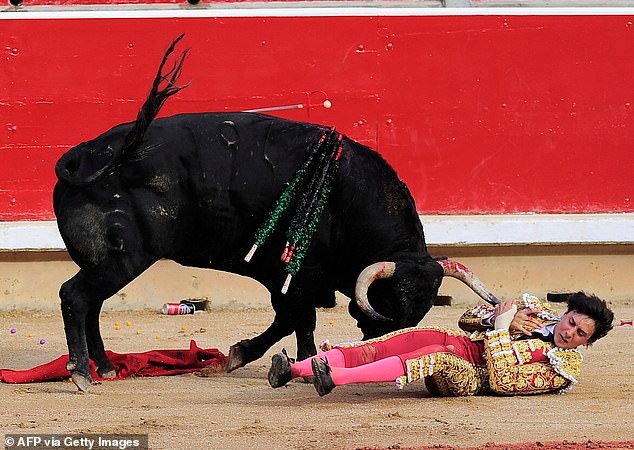
Despite the mounting injury list, Roca Rey has shown no public sign of stepping away from the sport, typically returning to the ring within weeks of even his most serious injuries. His resilience — whether viewed as extraordinary dedication or reckless disregard for his own safety — has become as central to his public image as his technical skill with the cape.
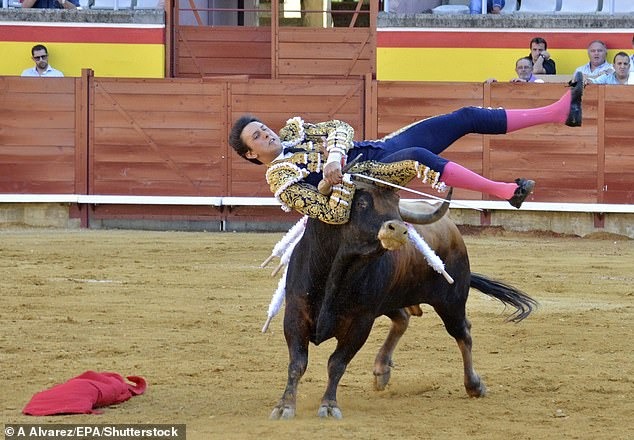
His continued popularity also comes against the backdrop of a broader cultural shift: bullfighting, once considered as central to Spanish cultural life as film stardom, has seen declining mainstream popularity in Spain in recent years, even as animal rights movements have grown louder in calling for the practice to end entirely.
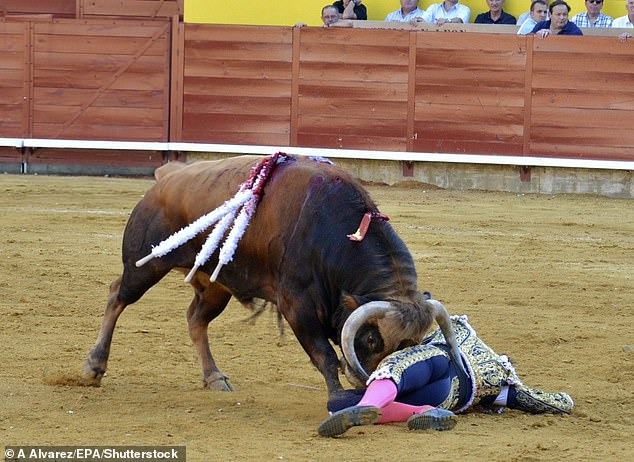
Frequently Asked Questions
Why is Andrés Roca Rey sometimes called the “world’s worst matador”? The nickname stems from a 2016 British tabloid headline mocking his frequent gorings early in his career — despite being widely regarded within the bullfighting world as one of its most skilled and popular performers.
How many times has Roca Rey been seriously injured during his career? He has sustained numerous injuries over roughly a decade as a professional matador, including gorings to his thigh, buttocks, neck, and leg, along with a head injury that knocked him unconscious on at least two occasions and the loss of two teeth.
Why does he continue bullfighting despite so many injuries? Roca Rey has described his commitment to the sport in personal terms, comparing it to an all-or-nothing romantic relationship, and has continued returning to the ring within weeks of even severe injuries throughout his career.
Is bullfighting still popular in Spain? While it remains culturally significant and Roca Rey continues to draw large crowds, bullfighting’s broader mainstream popularity in Spain has declined in recent years, alongside growing public criticism from animal rights advocates.
Sources: Complex, LBC, The Olive Press, and The Critic magazine, cited above.
Leave a Reply