
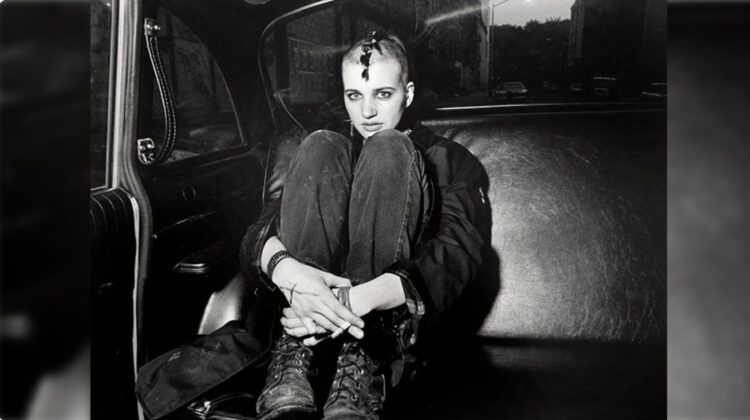
A New York taxi driver spent decades documenting the people who stepped into his cab during the 1980s and 1990s — and the photos are nothing short of extraordinary.
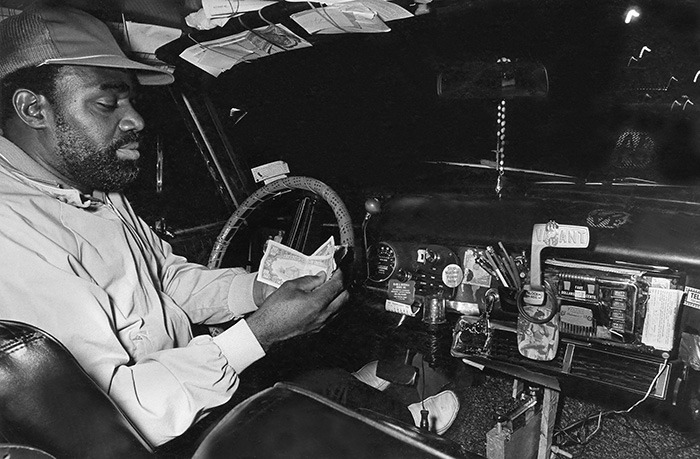
Ryan Weideman, born in 1941, arrived in New York City in 1980 carrying an MFA from the California College of Arts and Crafts. Influenced by legendary photographers like Garry Winogrand, Lee Friedlander, and Mark Cohen, he moved to the city with dreams of becoming an artist. But like many newcomers, he quickly realized he needed another source of income. To pay his rent, he started driving a yellow cab — a job that unexpectedly opened the door to his life’s most iconic project.
Turning a Taxi Into a Moving Studio
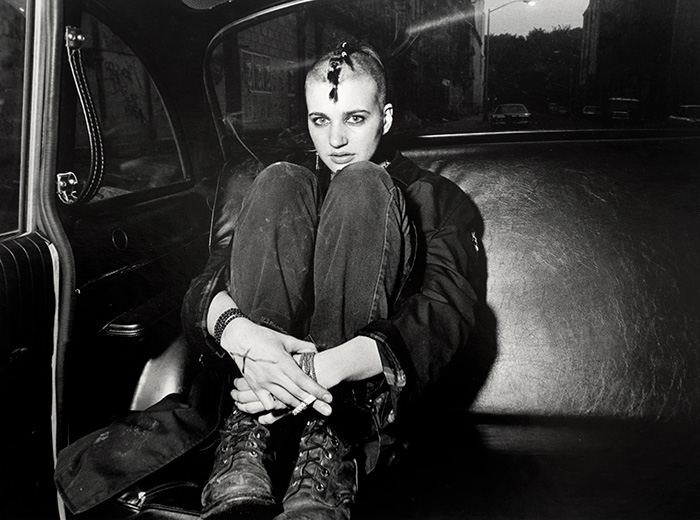
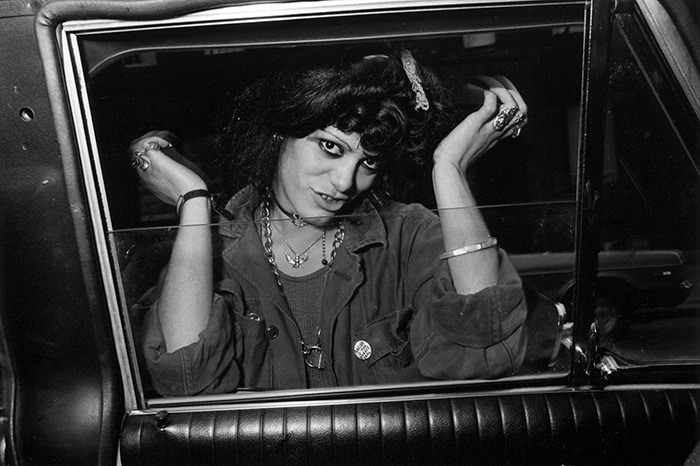
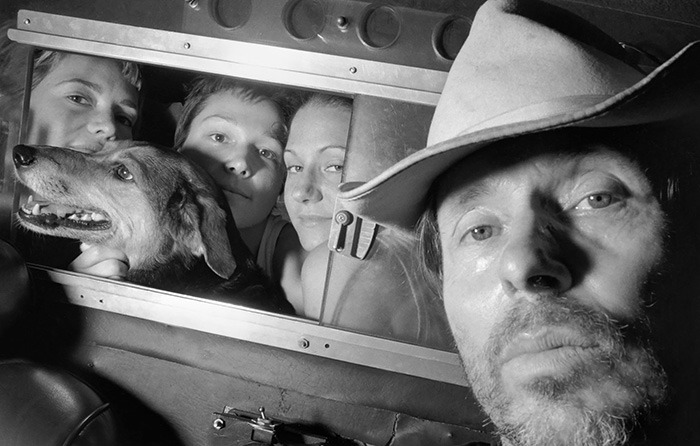
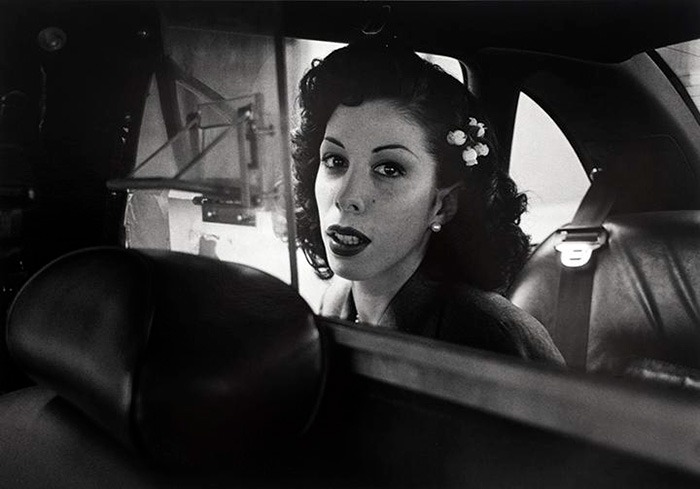
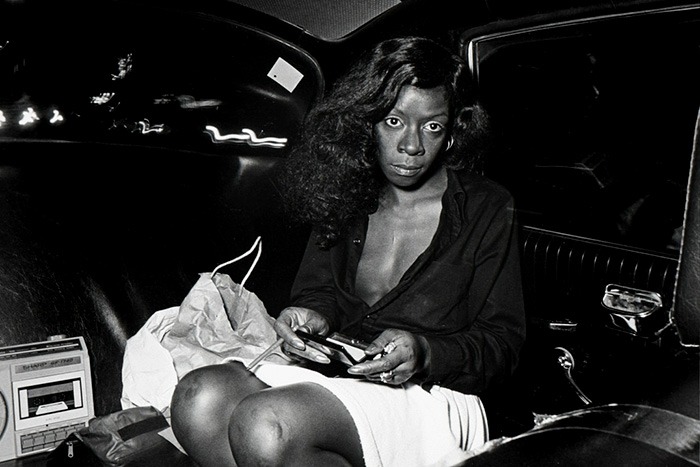
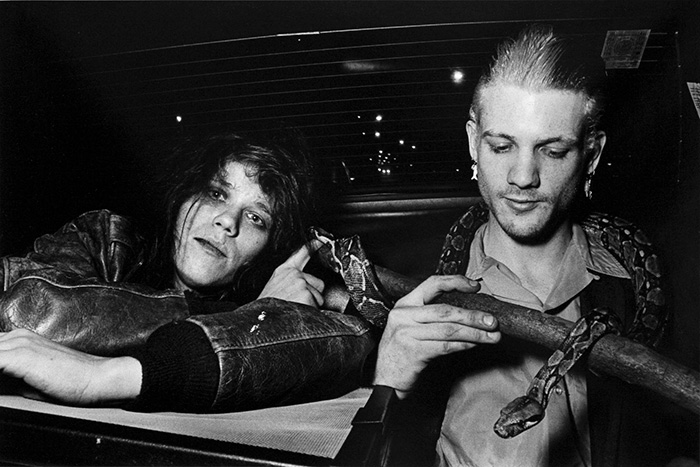
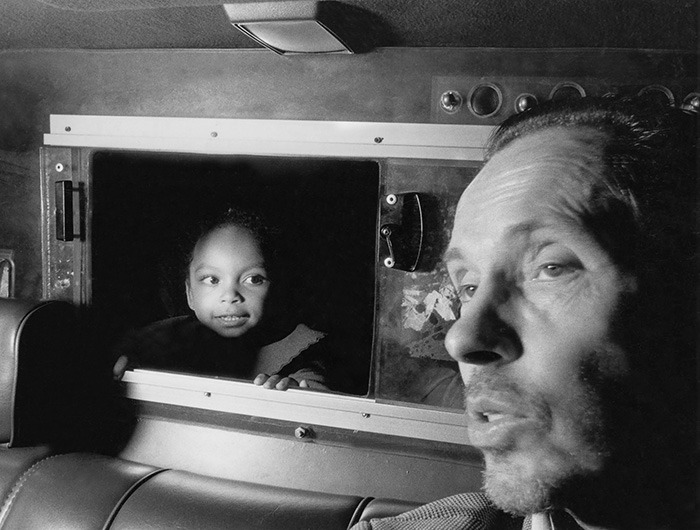
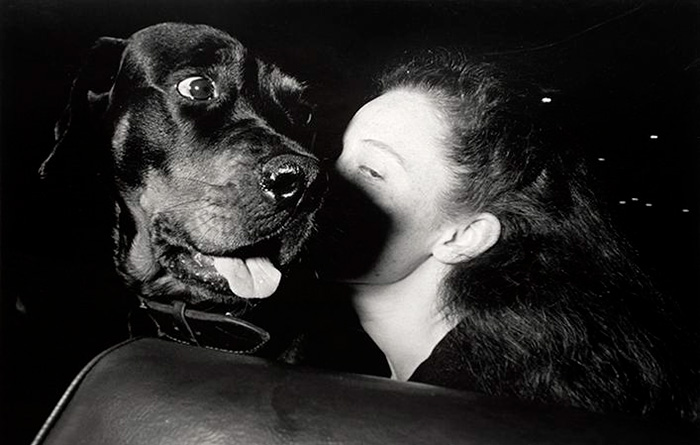
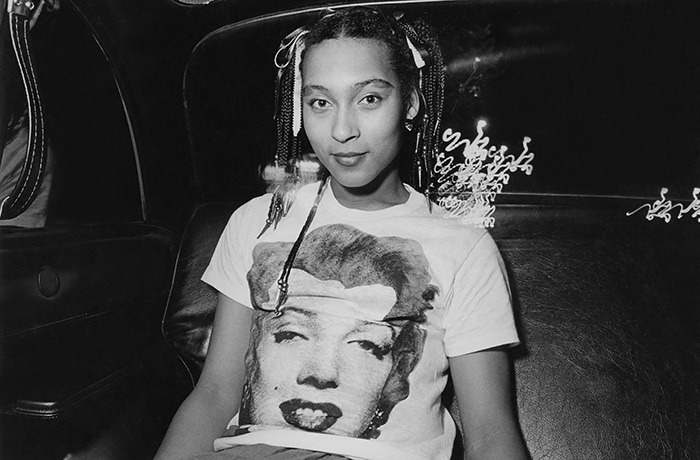
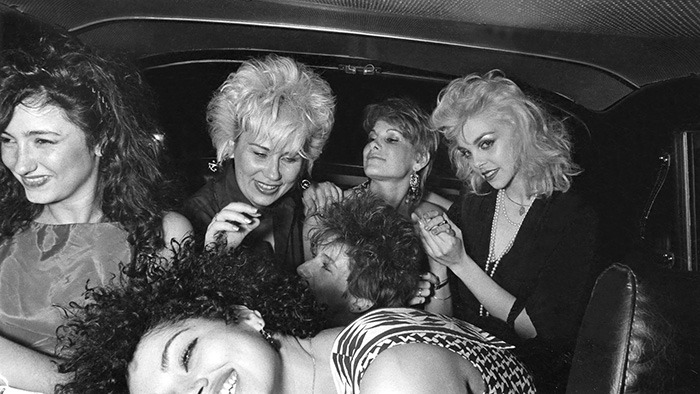
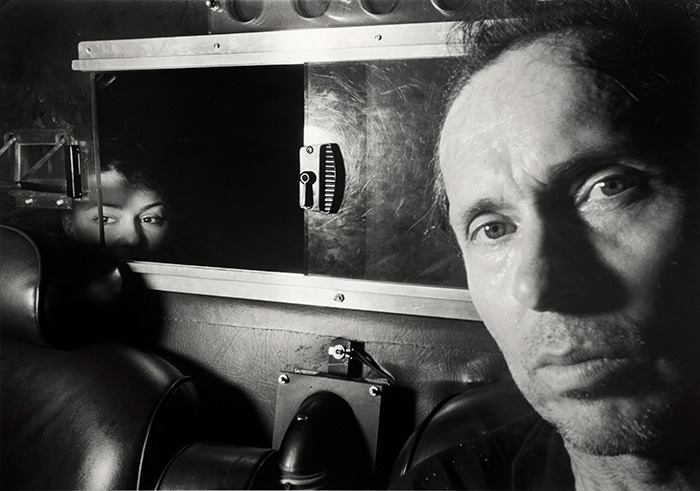
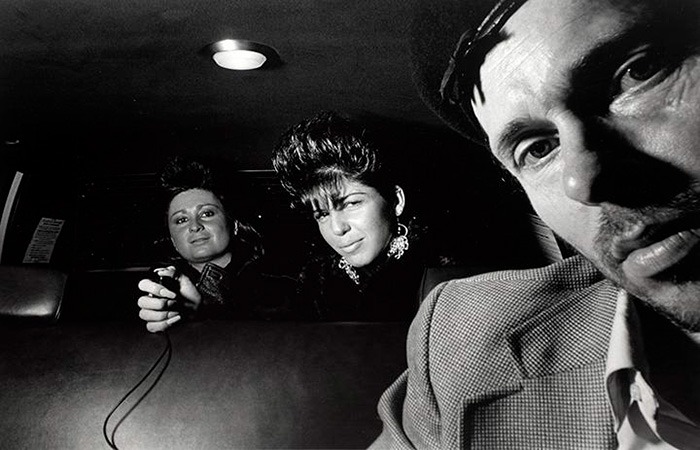
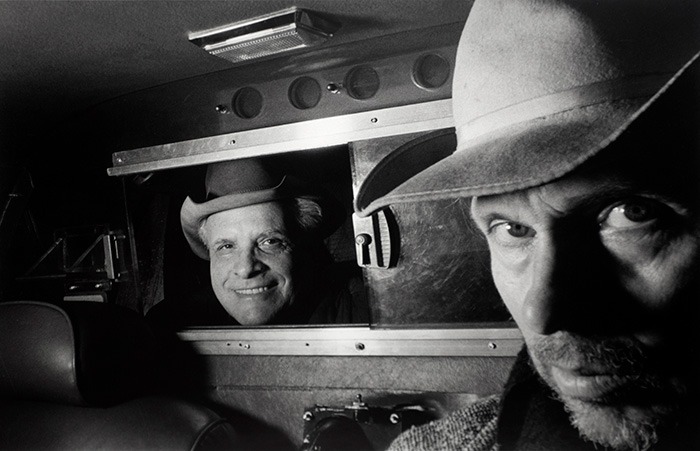
Instead of letting the long nights blur together, Weideman transformed his taxi into a creative space. He strapped a camera to the taximeter using rubber bands and began photographing every passenger who entered his cab. What started as an experiment soon became a visual diary of New York’s nightlife, culture, and chaos.
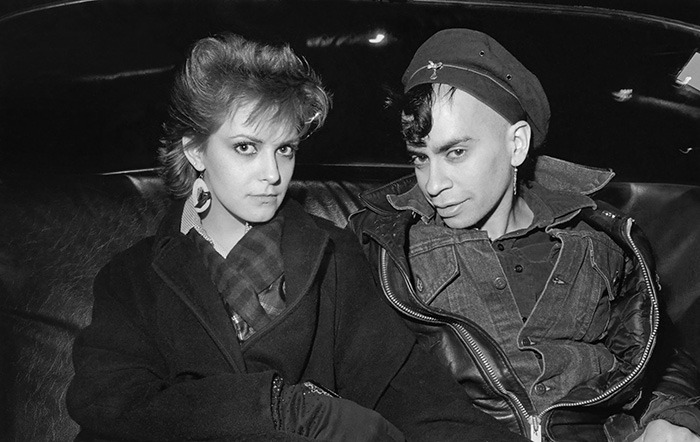
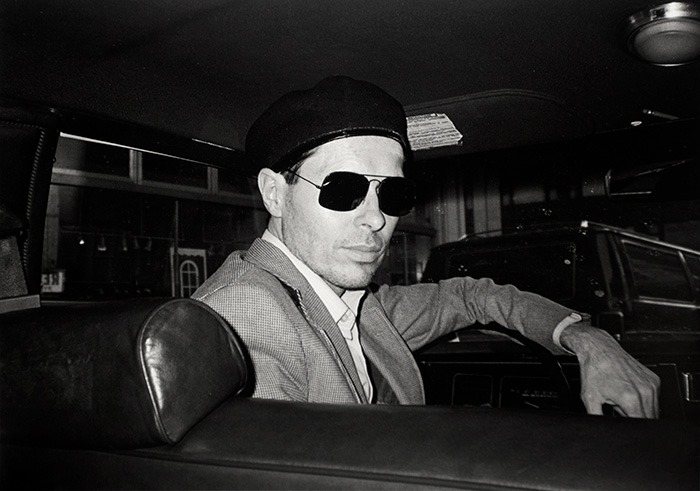
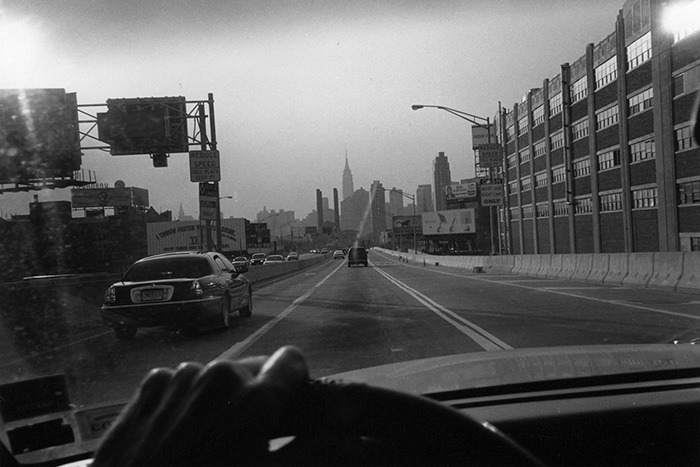
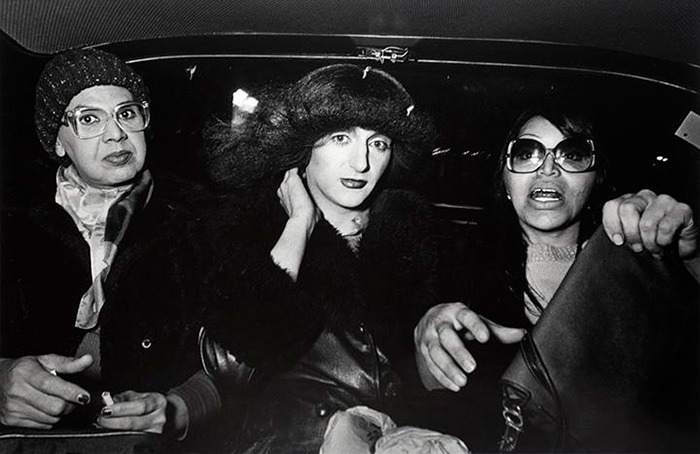
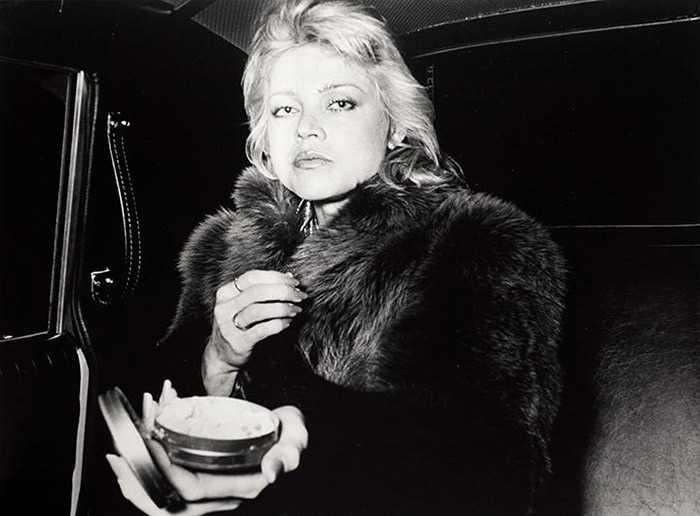
From 5 p.m. to 5 a.m. on weekends, he drove through Manhattan’s wildest streets — a schedule that brought in the most eclectic mix of people the city had to offer. His cab became a stage where fashion models, Wall Street workers, poets, broke artists, tourists, club hoppers, celebrities, and exhausted locals all shared the same small space for a brief moment.
A Portrait of New York in Its Rawest Form
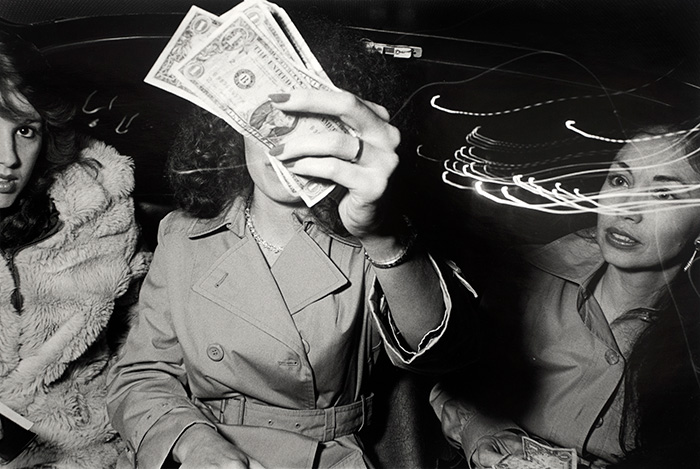
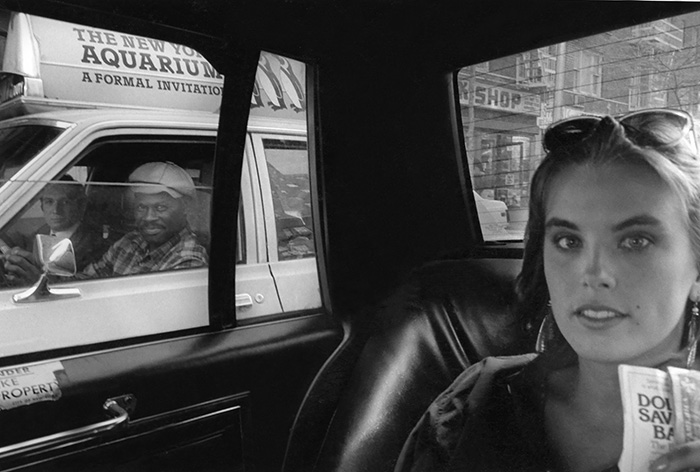
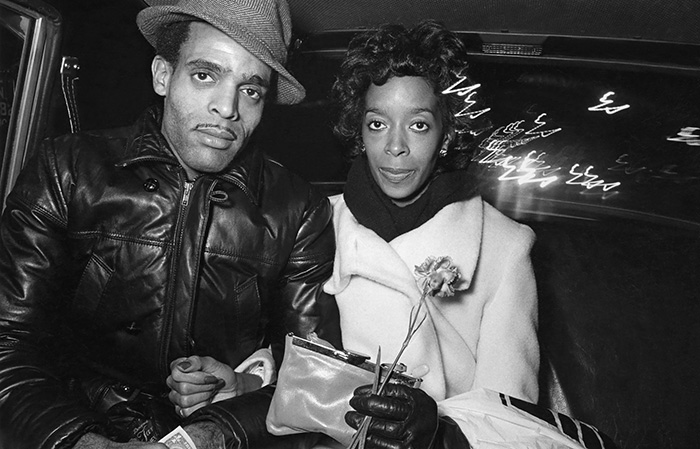
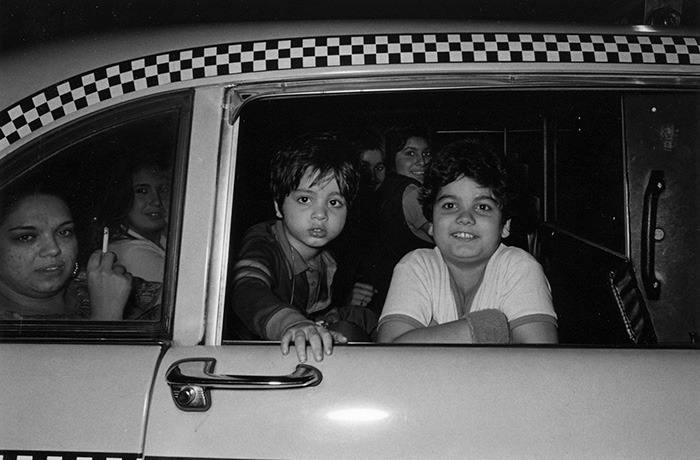
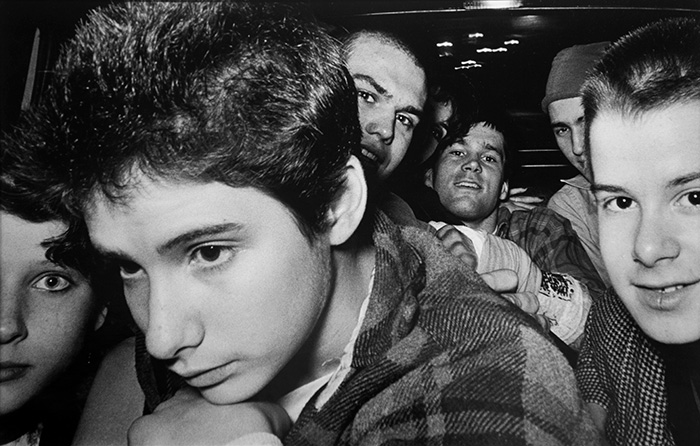
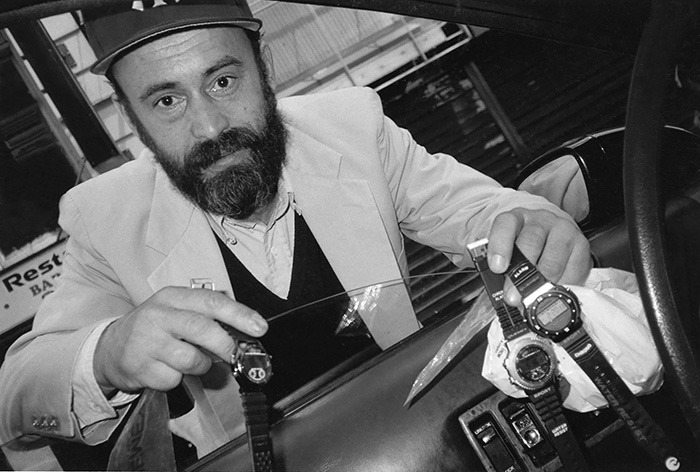
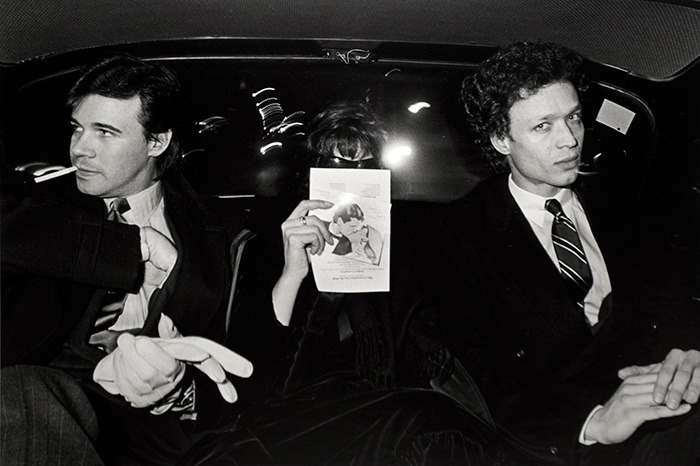
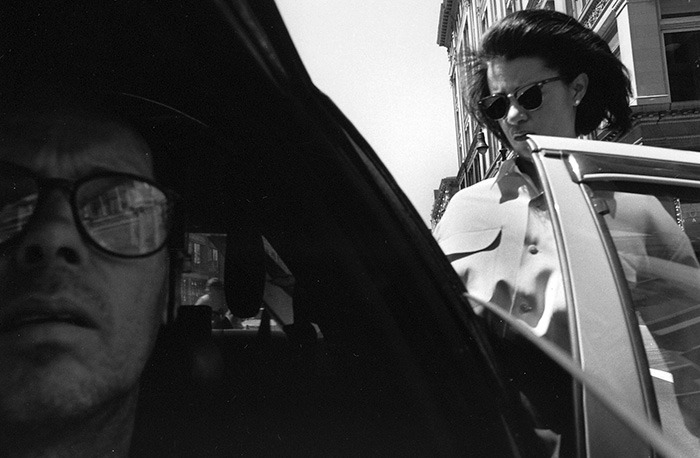
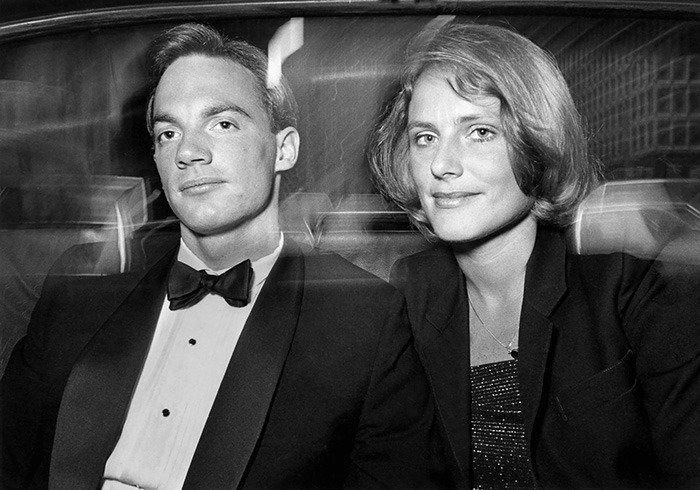
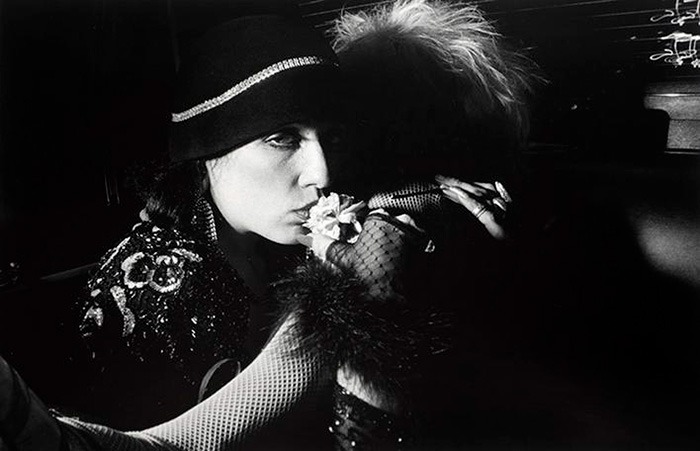
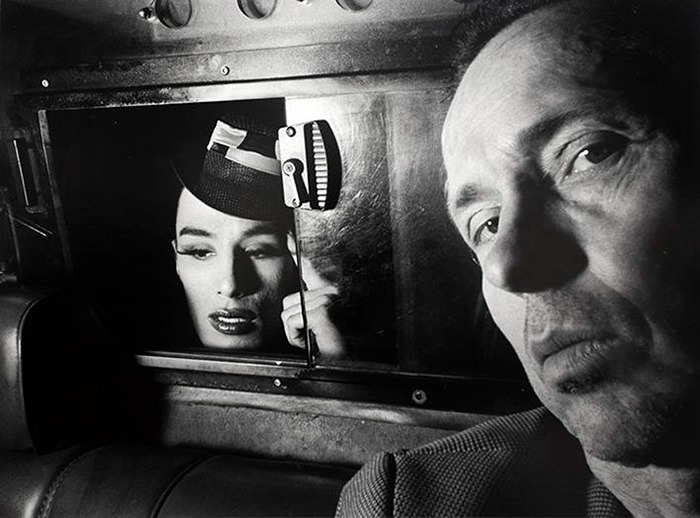
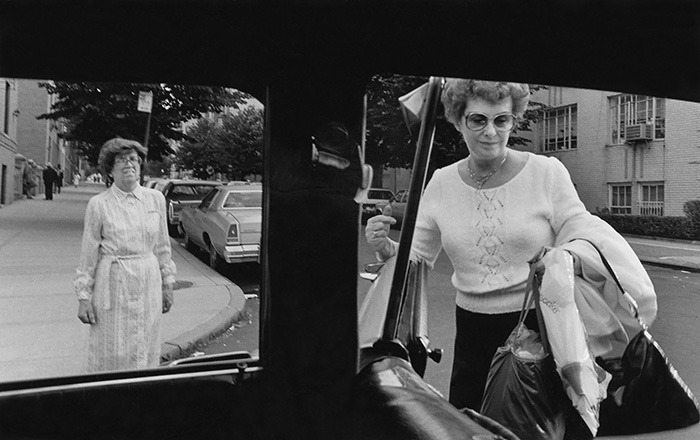
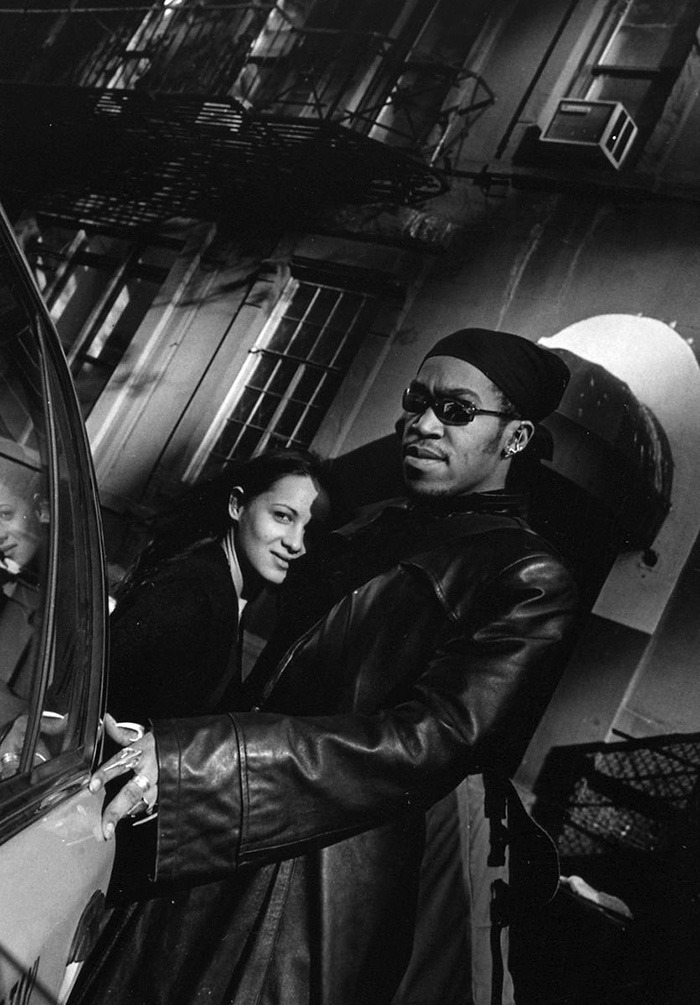
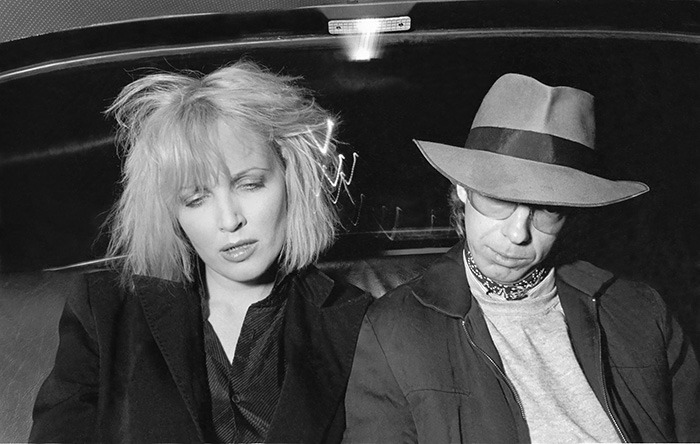
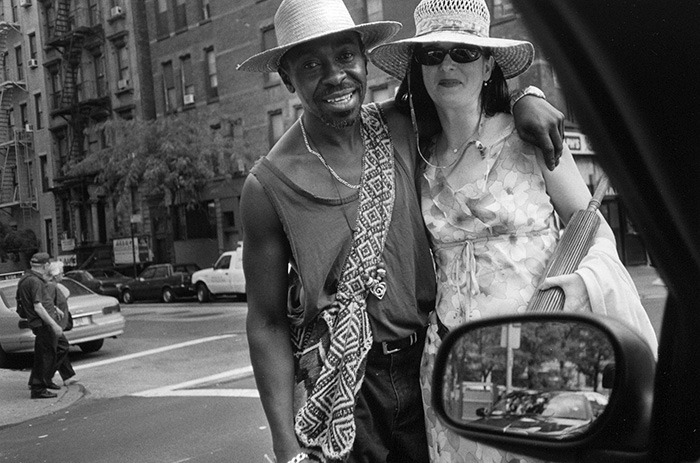
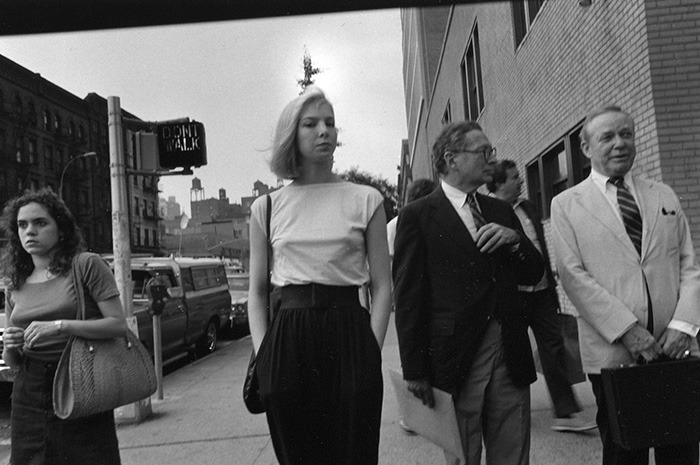
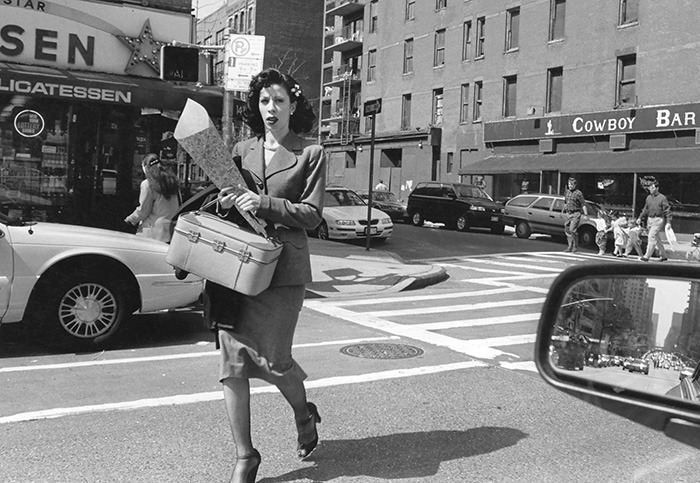
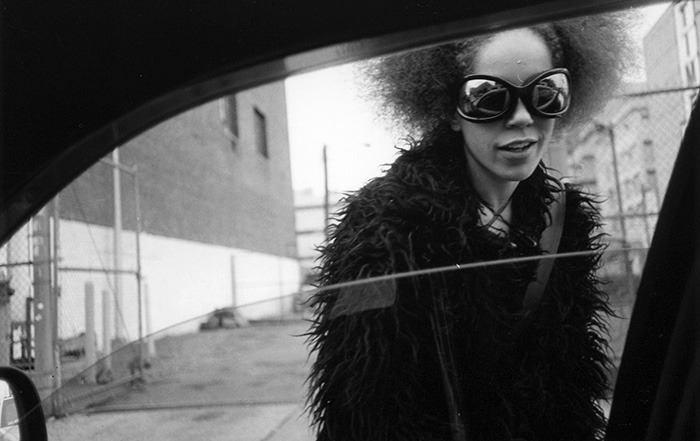
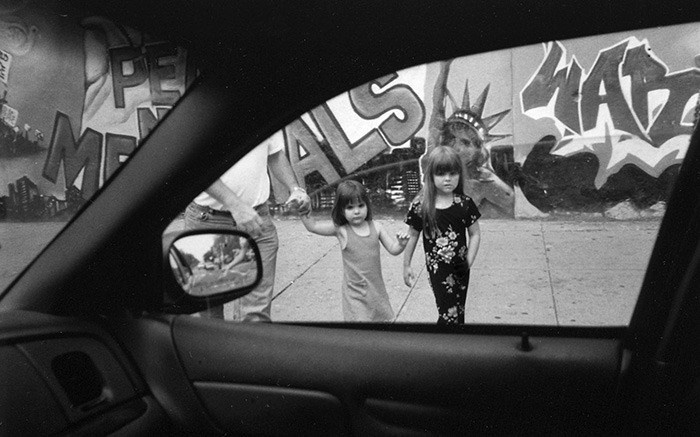
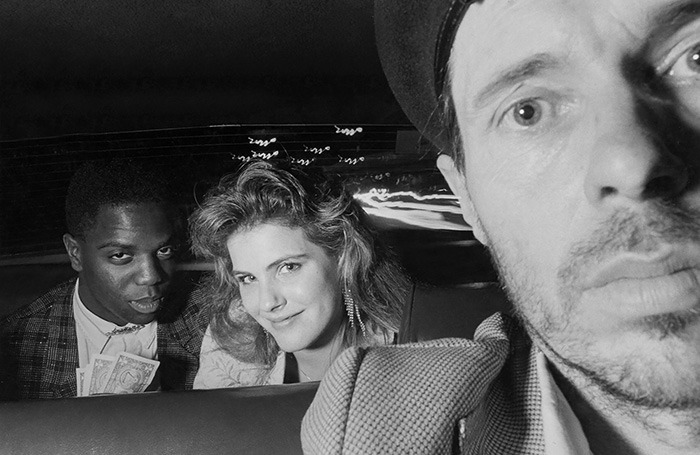
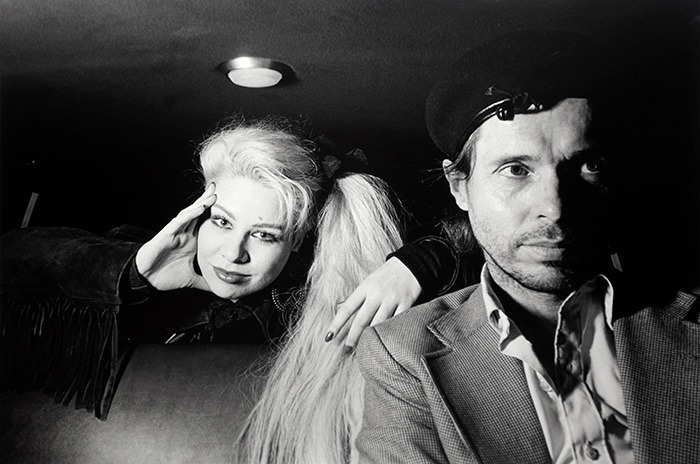
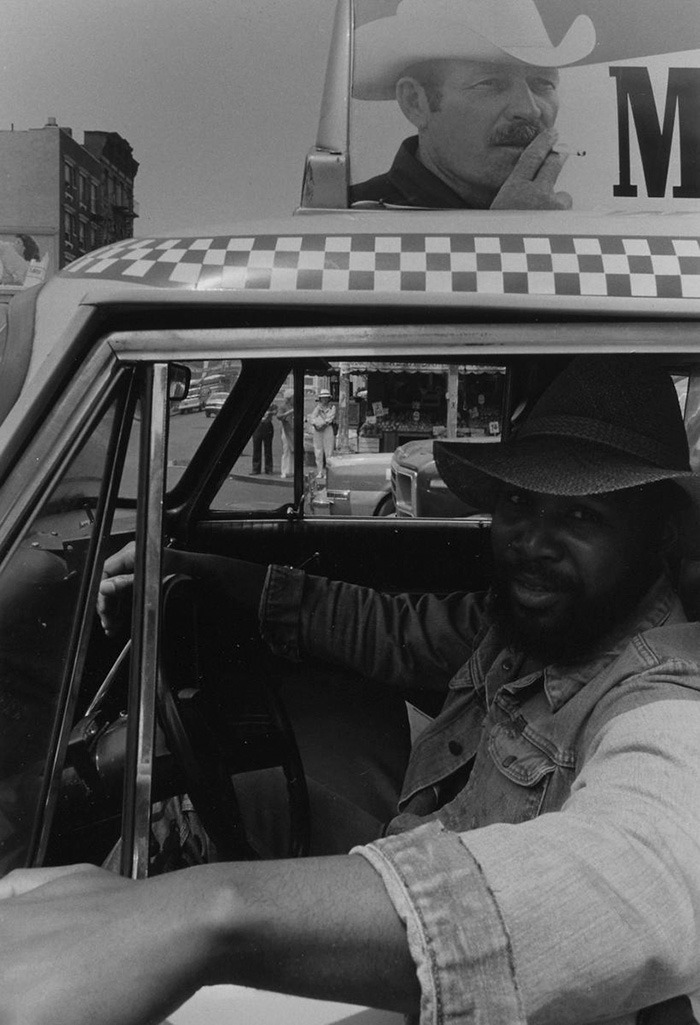
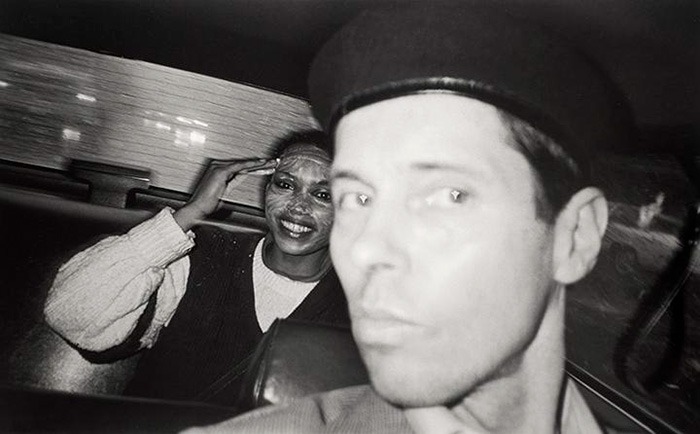
Weideman’s photographs feel theatrical and full of motion. The images usually include:
- the passenger
- the driver himself
- and the city lights glowing through the windows
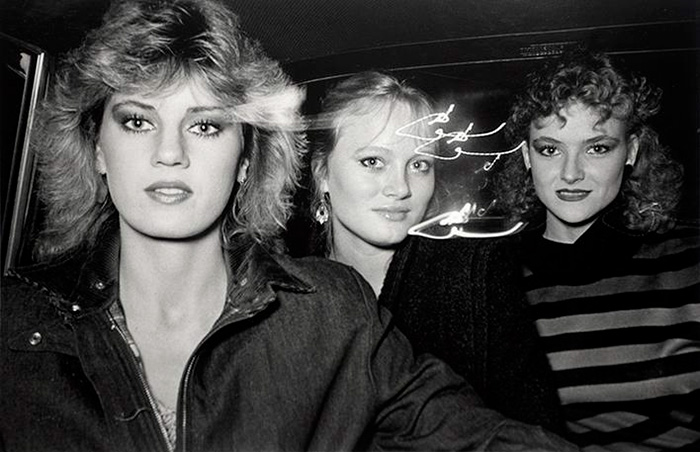
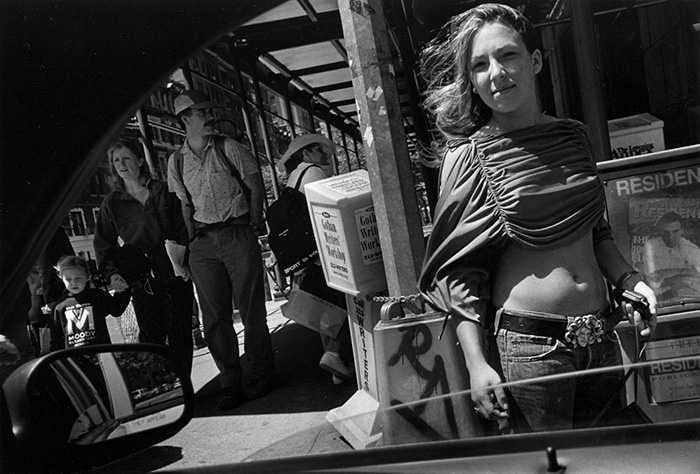
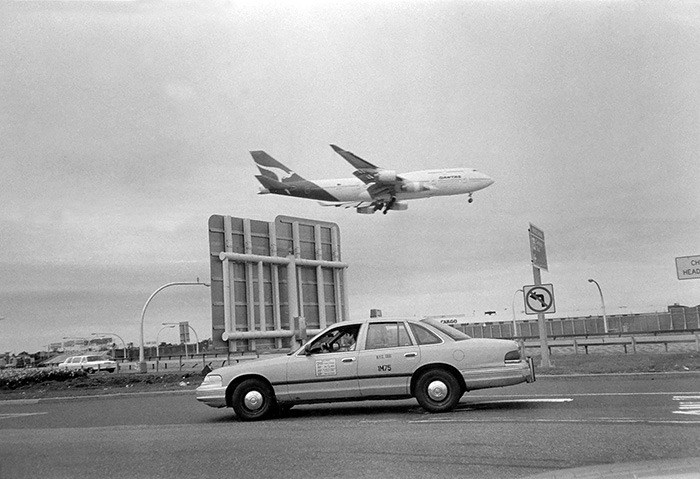
This created a style that was intimate, chaotic, and unmistakably New York.
Over the years, he captured everything:
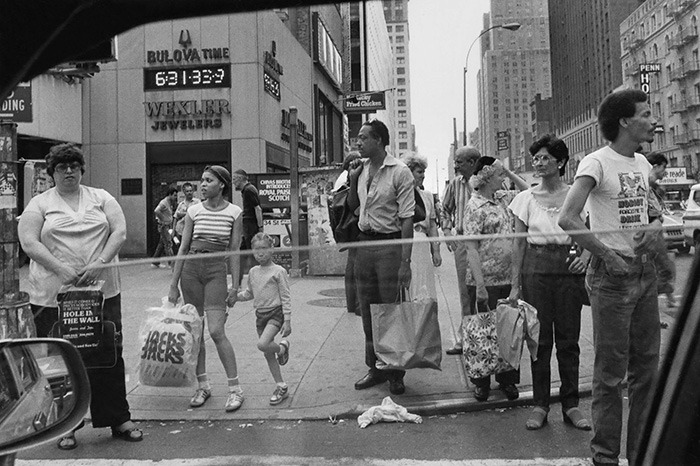
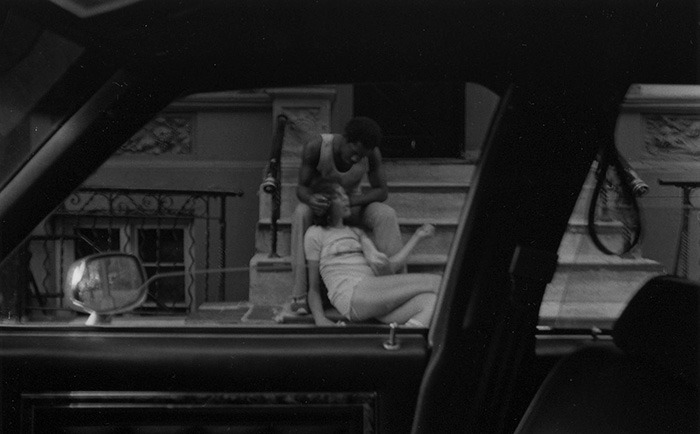
People laughing, crying, kissing, arguing, sleeping, celebrating, or just trying to get home after a long night. His lens documented the real, unfiltered New York — the kind that existed before smartphones and social media.
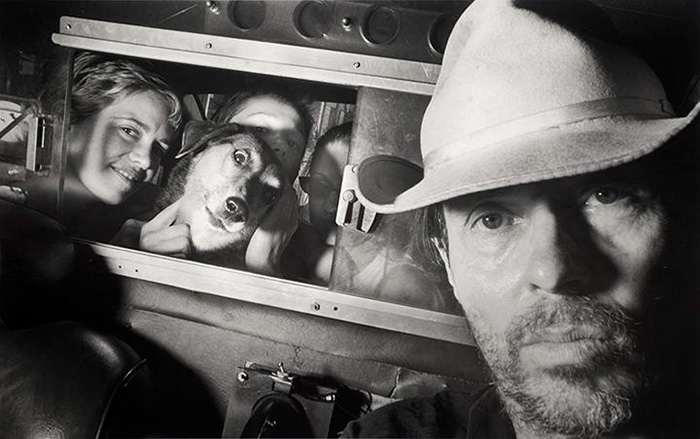
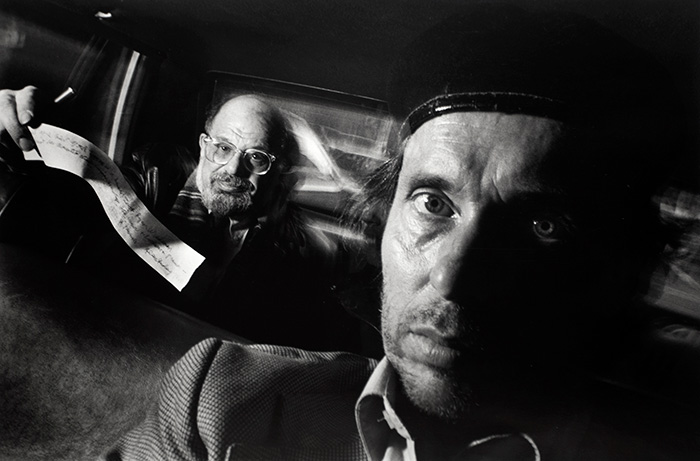
One of his most memorable encounters happened in 1990, when he photographed poet Allen Ginsberg. At the end of the ride, Ginsberg wrote a short, playful poem for him — a moment that became one of Weideman’s signature pieces.
From Taxi Driver to Museum-Exhibited Artist
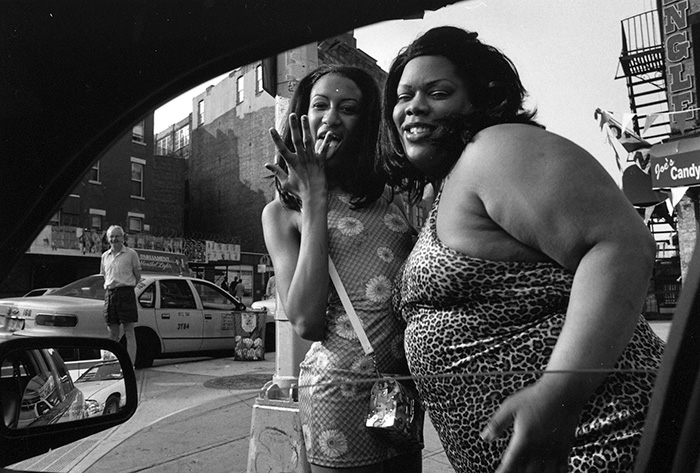
What began as a way to survive financially eventually became a critically acclaimed body of work. Weideman’s photographs are now featured in major museum collections, and he has received prestigious honors, including:
- a Guggenheim Fellowship
- a New York Foundation for the Arts Fellowship
- an NEA Fellowship
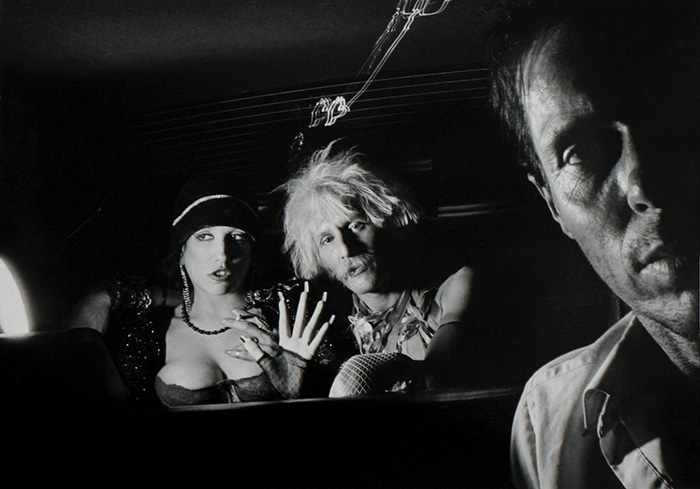
His book, In My Taxi: New York After Hours, chronicles the first ten years of his nighttime adventures and offers a rare, cinematic look at the city’s cultural history.
“Something awkward, powerful, idiosyncratic, or bizarre”
As he continued photographing, Weideman refined his instincts. He no longer aimed to shoot every passenger — but rather those who sparked something in him:
“Something awkward, powerful, idiosyncratic, or bizarre,”
he once explained — qualities that reflected his vision of New York in all its unpredictability.
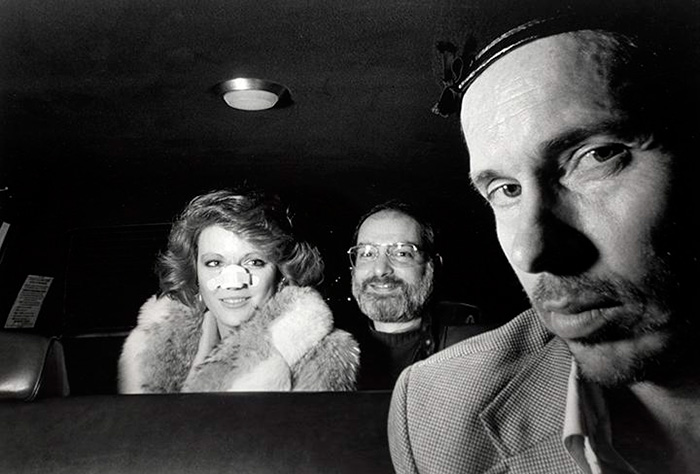
A Time Capsule of 80s and 90s NYC
Today, his work feels like a time capsule of a city that no longer exists — gritty, glamorous, chaotic, electric, and endlessly alive. His passengers became unwitting participants in one of the most unique long-term photography projects ever created.
Below are some of the photos that capture the essence of New York’s golden era of street culture.
More info: Bruce Silverstein gallery | amazon (h/t ufunk)
Leave a Reply