
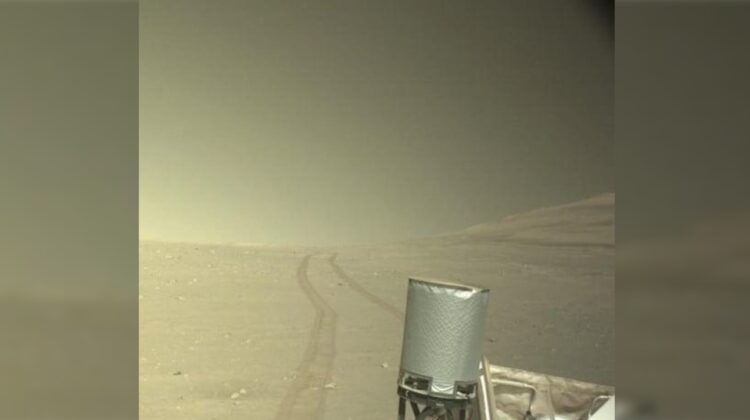
Recent images captured from nearly 200 million miles away reveal the Red Planet in breathtaking detail, offering a glimpse into a world both familiar and alien. Mars has always inspired wonder — close enough for rovers and orbiters to send back high-resolution photos, yet distant enough to maintain its air of mystery.
A Red Landscape Shaped by Time
The planet’s surface is cold, dry, and coated in fine dust, which gives it its signature rusty hue. This color comes from iron-rich minerals that have oxidized over millions of years, earning Mars the nickname “The Red Planet.” Winds sweep across its surface, forming smooth dunes and lifting dust into the thin atmosphere, creating hazy skies that rovers capture in iconic images.
Mountains, Canyons, and Geological Marvels
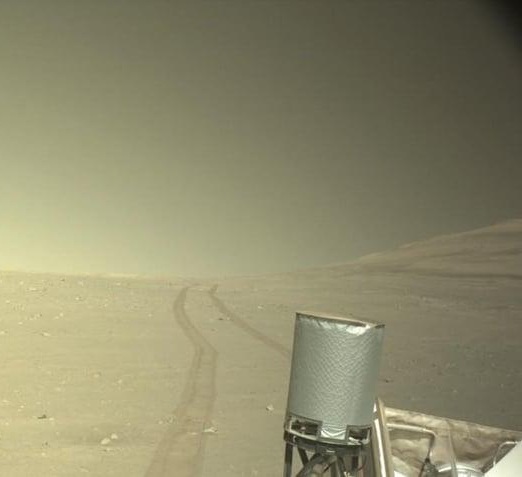
Mars is home to natural features that dwarf anything on Earth. Its mountains rise taller than any terrestrial peak, while canyons stretch across horizons, carved by ancient geological forces. The sheer scale of these formations reminds us of the planet’s dynamic history, shaped over eons by volcanism, erosion, and possibly water.
Traces of a Watery Past
Evidence of ancient riverbeds, dried lakes, and certain minerals suggests that liquid water once existed on Mars. Scientists study these clues intensely, hoping to understand whether the planet could have supported life billions of years ago. Each rover mission — from Spirit and Opportunity to Curiosity and Perseverance — peels back layers of mystery, bringing Mars incrementally closer to human understanding.
Turning Science Fiction Into Reality
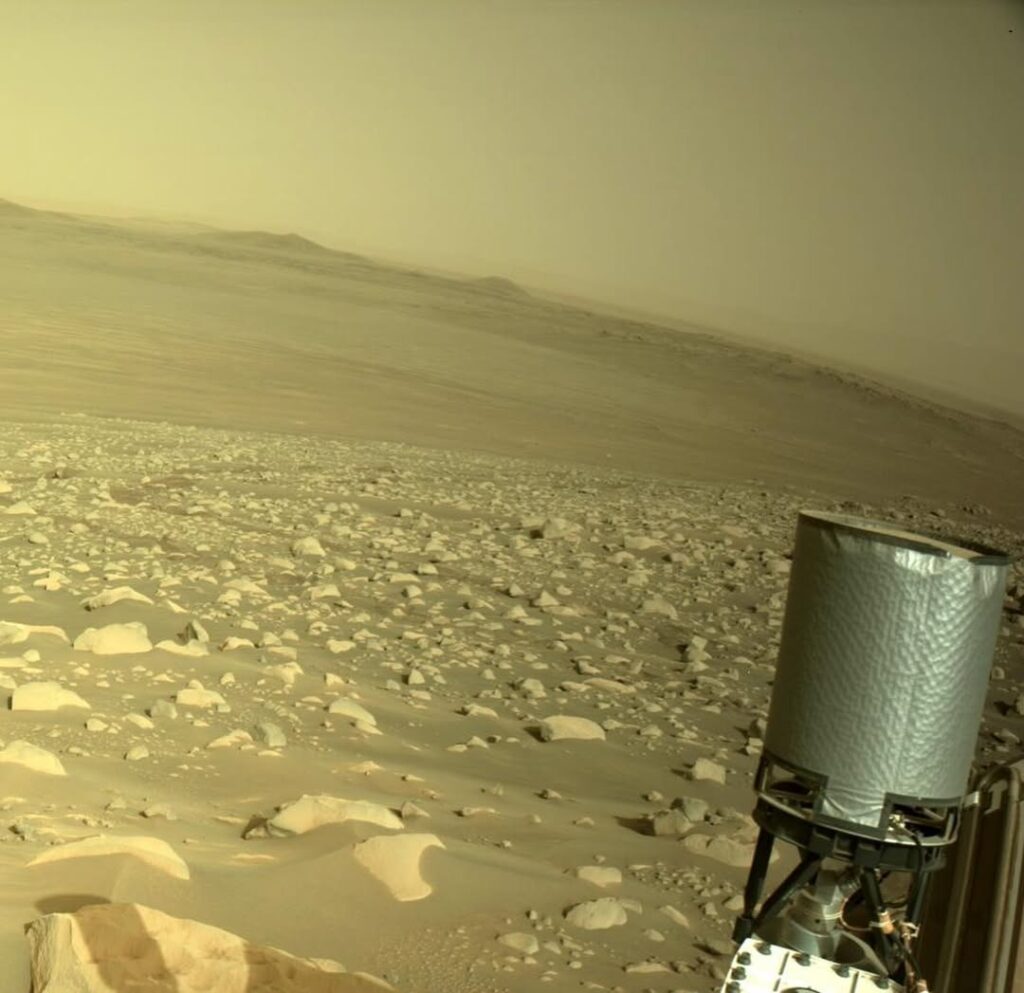
Images from Mars are more than just scientific data; they are windows into an alien world, helping humanity imagine what it would be like to walk on another planet. Every photograph, every mineral analysis, and every rover track brings us closer to exploring Mars in person, fueling dreams of future colonization and interplanetary discovery.
Mars reminds us that even in a vast, inhospitable universe, discovery is possible. Its windswept plains, towering peaks, and ancient riverbeds inspire curiosity and imagination, showing that with persistence, human ingenuity can bridge millions of miles of distance — turning the impossible into something tangible, one mission at a time.
Leave a Reply