
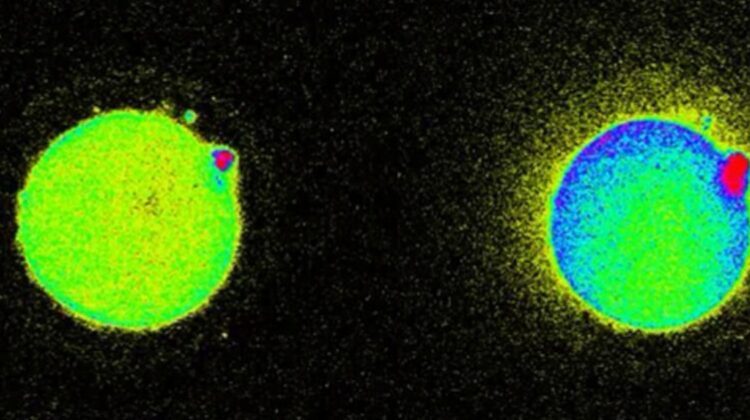
For the first time in history, scientists have successfully captured the dazzling flash of light that occurs the very moment a human sperm meets an egg. This extraordinary event, previously only observed in animals, offers a breathtaking glimpse into the very spark of life.
The Discovery: A Flash That Signals Life
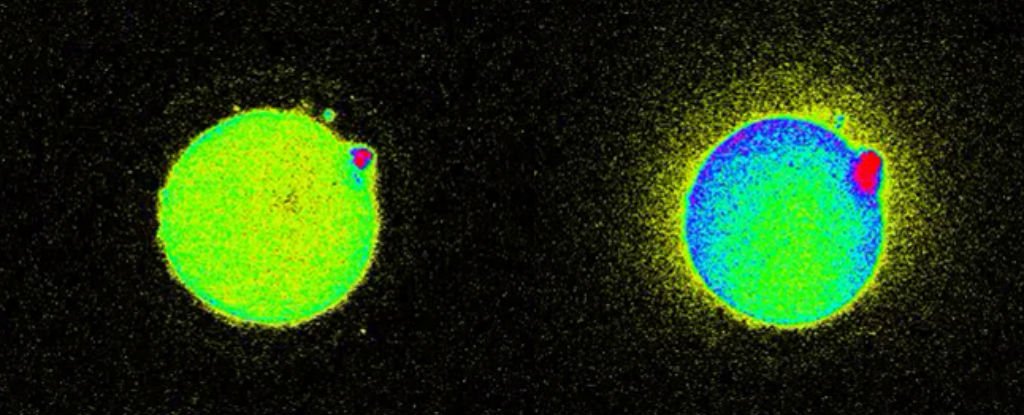
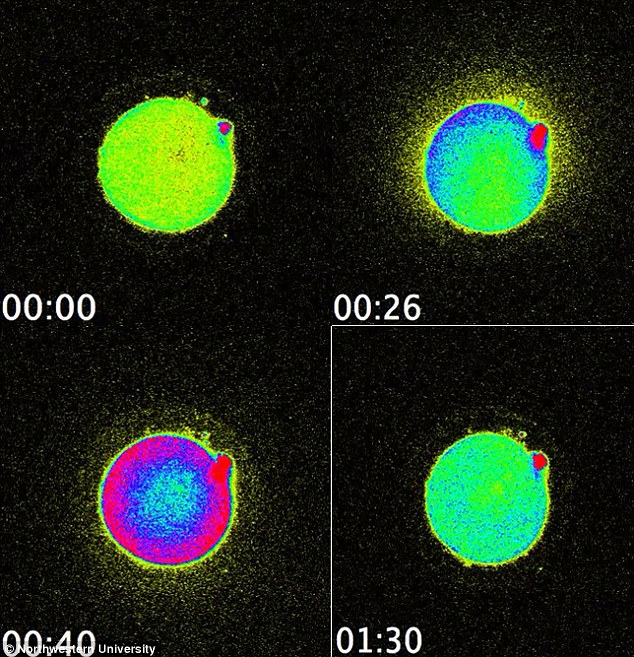
While flashes of light at fertilization have been documented in mice for years, human eggs had remained a mystery—until now. Researchers at Northwestern University used advanced imaging techniques to record what they describe as “zinc sparks,” a burst of light emitted as billions of zinc atoms explode from the egg at the precise moment of conception.
These sparks aren’t just visually stunning—they reveal the egg’s ability to develop into a healthy embryo. According to Teresa Woodruff, a leading researcher on the team, “Seeing the zinc radiate out from human eggs was breathtaking. It’s the first time we’ve captured life’s very first fireworks in humans.”
How Zinc Sparks Work
The mechanism behind the phenomenon is fascinating. Human eggs store zinc in tiny compartments—about 8,000 of them—each containing roughly a million zinc atoms. When fertilization is triggered, these zinc reserves are released in a controlled explosion, creating a visible flash. This release lasts for up to two hours after fertilization, providing scientists with a window to assess egg health.
Zinc plays a critical role in embryogenesis, influencing maturation and fertilization. “The egg first stockpiles zinc and then releases it to successfully navigate development,” explains Thomas O’Halloran, a co-author of the study.
Implications for IVF and Fertility Treatments
This discovery has massive implications for couples undergoing IVF. Currently, about 50% of fertilized eggs fail to develop due to genetic errors or other unknown factors. Until now, there was no way to assess an egg’s viability before implantation.
Eve Feinberg, a senior researcher, emphasizes: “This gives us a non-invasive and immediate method to see which eggs are healthy. It could transform fertility treatments by reducing uncertainty, speeding up pregnancy, and minimizing heartbreak.”
By observing the brightness of the zinc sparks, doctors may now predict which eggs have the highest potential for success, allowing for smarter decisions in IVF procedures.
The Journey from Mice to Humans
The path to this breakthrough began in 2011 when the team observed zinc sparks in mice. After years of experimentation, they developed fluorescent sensors capable of tracking zinc in live cells, ultimately applying the technique to human eggs in 2019. This rapid translation from animal models to human applications is rare in biomedical research, highlighting the significance of the discovery.
Why This Matters
Beyond fertility treatments, this research provides new insight into the earliest stages of human life. Each zinc spark is a signal that a cell is making the crucial decision to grow into an embryo, offering a window into one of nature’s most fundamental processes.
Understanding these sparks could also inspire new approaches to egg preservation, genetic research, and early embryonic health, potentially improving outcomes for countless families worldwide.
Looking Ahead
Researchers are already exploring the next steps: refining imaging techniques, understanding variations in zinc sparks among different eggs, and investigating how environmental factors or nutrition may influence these bursts.
As Teresa Woodruff notes, “We’ve only just begun to see the first flashes. There’s a whole universe of information in these sparks that could change reproductive science forever.”
This incredible visualization of human conception doesn’t just show life’s beauty—it could redefine the way we approach fertility, embryology, and the very science of life itself.
Leave a Reply