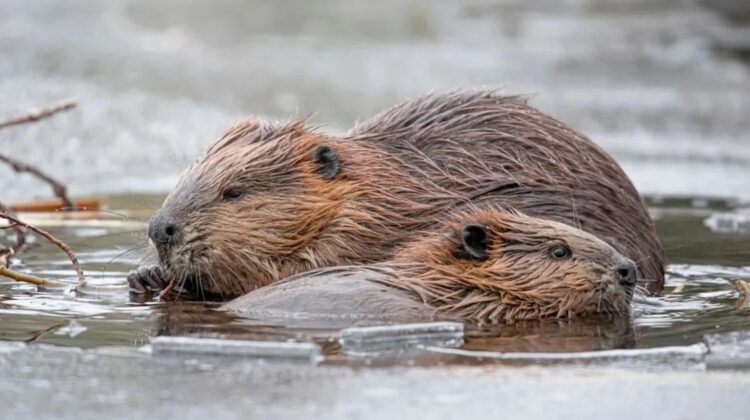
When beavers chew through fences or flood a road, they’re often trapped and removed as pests. Researchers in Utah asked a different question: what if those same animals could be put to work restoring rivers that desperately need them?
Two Thirsty Rivers
The Price and San Rafael rivers run through some of the driest country in Utah, where reservoirs, diversions and drought have depleted the water. They’re home to fish that live nowhere else, including the endangered Colorado pikeminnow, bonytail chub and razorback sucker.
Wildlife managers had tried building artificial dam-like structures called beaver dam analogs to slow the water. Julie Young and her colleagues at Utah State University’s Beaver Ecology and Relocation Center wondered if actual beavers could do the work.
The Experiment
Researchers collected so-called nuisance beavers, animals removed from places where they were damaging infrastructure or waterways, and moved 47 of them to the two rivers between 2019 and 2020. They tagged the animals and compared them to 24 resident beavers already living there. The results appeared in the journal Animal Conservation.
The Hard Numbers
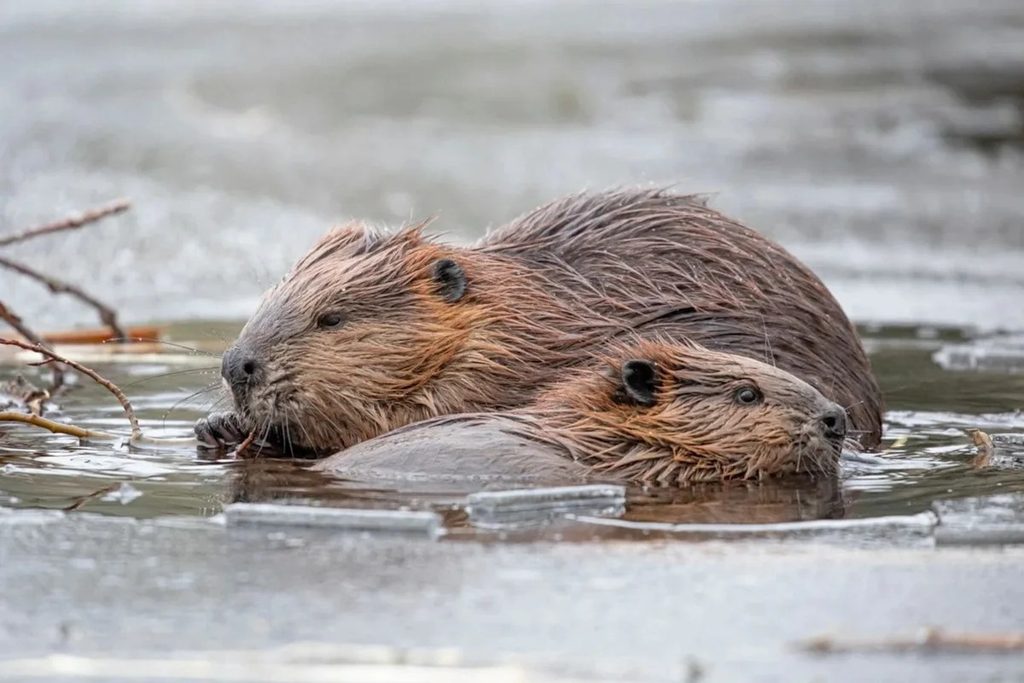
The relocation was tough on the beavers. Just under 40 percent of the newcomers survived the eight weeks of tracking, compared with roughly 80 percent of residents. Predators, likely bobcats, cougars and black bears, killed several, others died of unknown causes, and some lost their tags in thick vegetation.
Only about a quarter stayed at the release site, compared with about half in other relocation studies. The researchers say the newcomers behaved like young beavers leaving their birth colony and looking for new territory.
So Why Call It a Success?
Despite the losses, the main goal held. “We had more dams after our study than there were before our study,” Young said. Crews counted 17 new dams on the Price River and three on the San Rafael, some right next to the artificial structures.
During a 2020 dry spell, dammed sections held water while undammed stretches nearby dried up completely, creating refuges for fish. One of the project’s graduate students, Emma Doden, told the BBC that beavers that moved away, in one case about 12 miles downstream, are “probably still helping the system.”
The Limits of the Findings
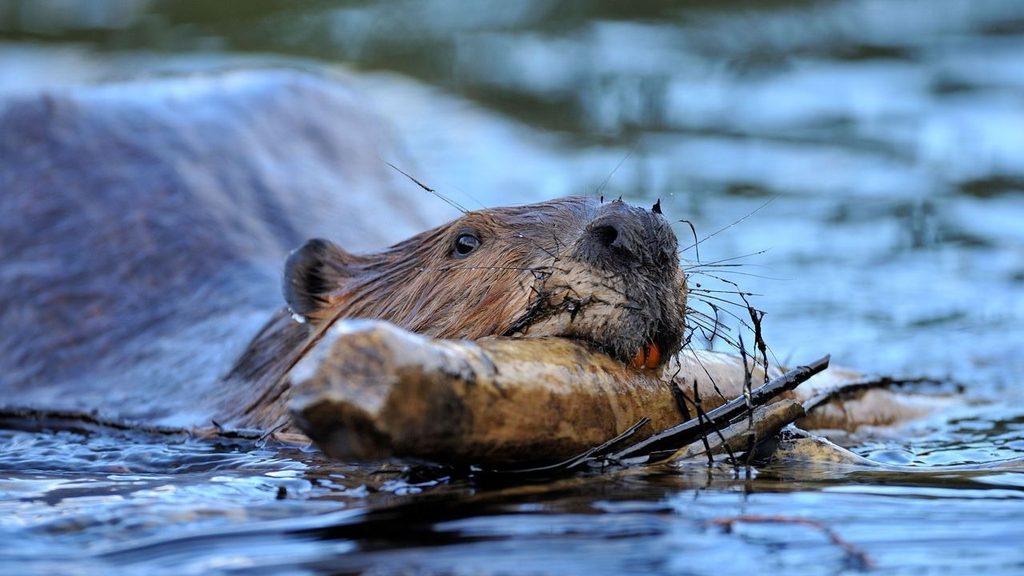
A companion graduate thesis that tracked more beavers over four years found that predators caused most deaths, many beavers left, and none of the translocated animals remained in the study area by the end of data collection. It also found that tamer, less aggressive beavers survived longer, while bolder ones traveled farther, which could help managers choose which animals to move. The researchers say high mortality and low site fidelity should be expected in this kind of project, and that repeated releases may be needed to establish lasting colonies.
Living With Beavers
Beavers aren’t just a problem for rivers. If they live near your property, a few options can reduce conflict:
- Install flow devices. Pond levelers and culvert protectors can control water levels without removing the animals.
- Protect your trees. Tree guards and wire fencing stop gnawing.
- Call a professional. Compare licensed wildlife control services that offer humane solutions.
- Check your policy. Review home insurance and flood coverage for water damage.
- Visit Utah’s desert rivers. Compare guided tours of the San Rafael Swell.
Frequently Asked Questions
Why were the beavers moved? They were trapped as nuisance animals elsewhere and relocated to degraded desert rivers to build dams and restore fish habitat.
How many stayed where they were released? About a quarter, which is lower than the roughly half seen in other relocation studies.
Did the project work? Researchers counted 17 new dams on the Price River and three on the San Rafael, more than before the study, despite the high losses.
What happens next? Researchers plan to study how the fish respond to the new dams.
Sources: The Wildlife Society, Popular Science, USGS (Animal Conservation study abstract), and Utah State University, all covering the 2019–2020 translocation of 47 nuisance beavers to Utah’s Price and San Rafael rivers and the results.
Leave a Reply