
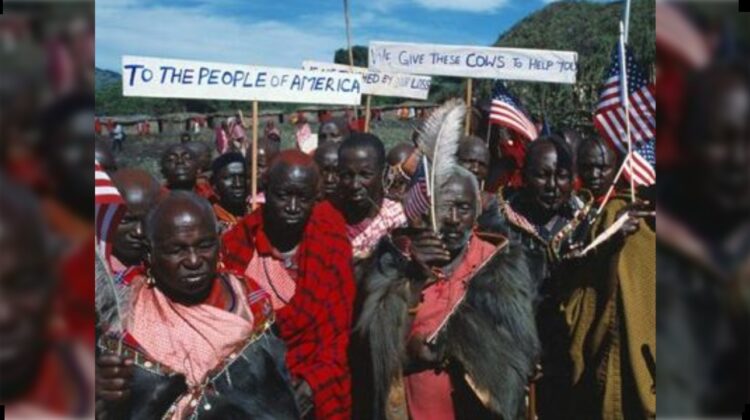
In the wake of the devastating 9/11 attacks in 2001, acts of solidarity and compassion poured in from around the globe. Among the most unique and touching gestures came from a remote community in Kenya – the Maasai tribe. In 2002, members of the Maasai, known for their distinctive culture and deep connection to their cattle, presented a remarkable gift to the United States: 14 cows.
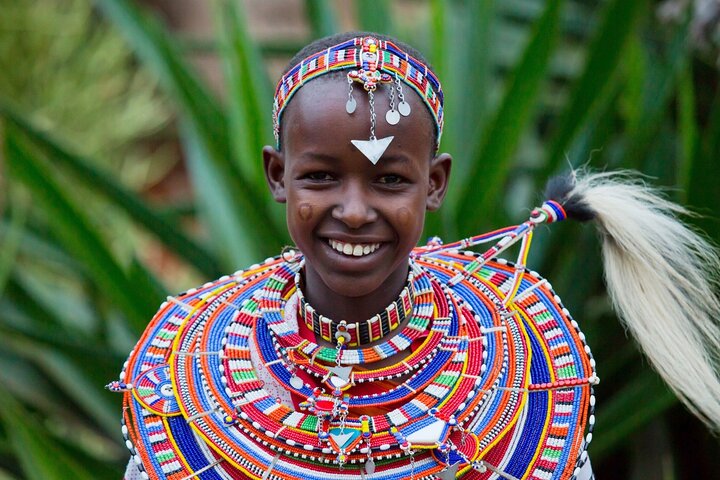
This act, seemingly simple, carried profound cultural significance. In Maasai society, cows are not merely livestock; they are the bedrock of life, symbolizing wealth, status, sustenance, and prosperity. To offer cows is to offer the most precious gift one can give, a true sharing of one’s very existence.
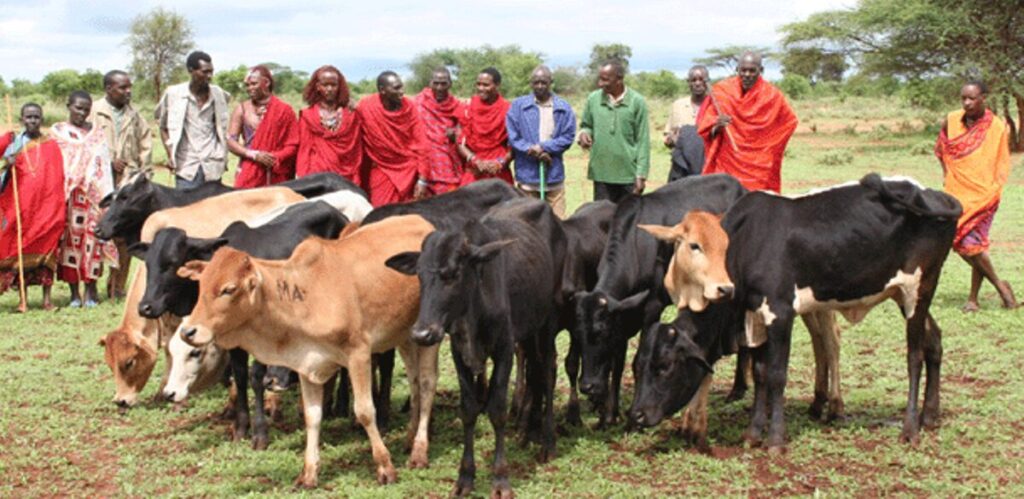
The decision to give these 14 cows was born from a deep sense of empathy. Despite the vast geographical and cultural distance, the Maasai people felt a connection to the suffering experienced by Americans. This offering was their way of expressing condolences, honor, and support for the grieving nation.
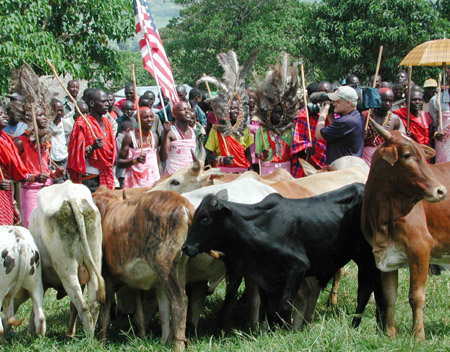
While the cows were not physically transported to the United States, their presentation was a formal and deeply respectful ceremony. They were blessed according to Maasai traditions and entrusted to a local diplomat representing the U.S.
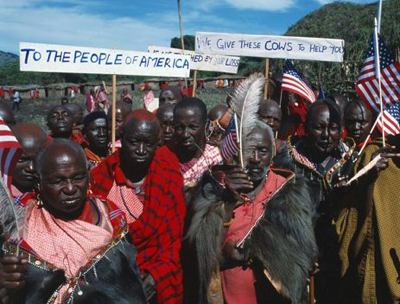
This act of profound generosity transcended cultural barriers and became a powerful symbol of international solidarity. It highlighted how, even in the darkest of times, humanity’s shared capacity for compassion can bridge distances and unite people in gestures of hope and support. The Maasai’s gift of 14 cows remains a moving testament to the universal language of empathy.
Leave a Reply