
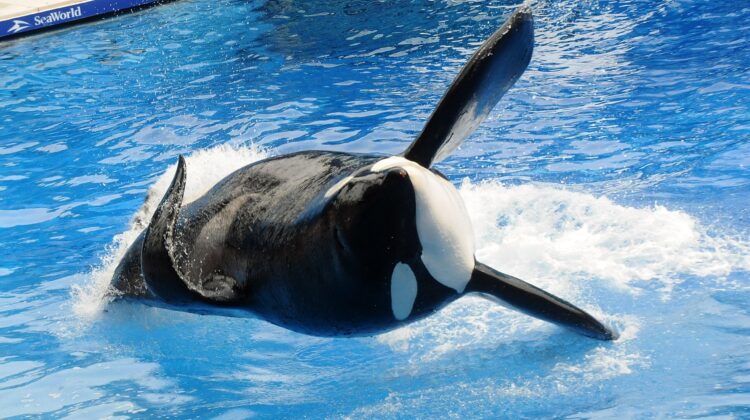
Nature can be breathtaking, but it can also be terrifying. While humans often see themselves as the dominant species on Earth, that illusion quickly fades when technology and barriers are removed.
History has repeatedly shown that interacting closely with animals — whether in the wild or in captivity — carries serious risks. Many incidents have ended in injury, and some in death. Yet few are as haunting as the tragedy that unfolded in 1991, when a young marine trainer was killed by killer whales in front of helpless witnesses.
A Young Marine Biologist with a Dream
Keltie Byrne was working part-time at Sealand of the Pacific in Canada while studying to become a marine biologist. Her job brought her into daily contact with marine animals, including orcas — the largest members of the dolphin family.
Like many trainers, Keltie trusted the environment she worked in. That trust would prove fatal.
One ordinary day in 1991, she slipped and fell into a 26-foot-deep pool that housed three killer whales: two females, Haida II and Nootka IV, and a large male named Tilikum.
The Orca with a Dark Future
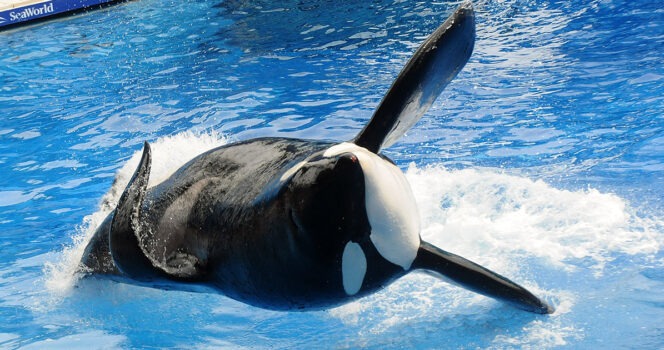
Tilikum’s story had already begun years earlier.
Captured off the coast of Iceland in 1983 at just two years old, he was first kept in a concrete tank at Hafnarfjördur Marine Zoo near Reykjavik. In 1984, he was transferred to Sealand of the Pacific, where he spent more than a decade confined to a small pool alongside the two female orcas.
Few could have predicted that Tilikum would later become the most infamous killer whale in captivity, linked to the deaths of three people.
The Moment Everything Went Wrong
When Keltie fell into the pool, chaos erupted.
Witnesses reported that Tilikum grabbed her, while the two female whales actively blocked rescue attempts by staff. Despite frantic efforts, the trainers on deck were powerless.
Keltie managed to surface twice, each time fighting to escape. Each time, she was pulled back underwater.
“I Don’t Want to Die”
Trainer Karen McGee later recalled the horrifying moments to the Daily Mirror:
“I just heard her scream my name. I threw the life ring out to her. She was trying to grab the ring, but the whale wouldn’t let her. To them, it was a play session — and she was in the water.”
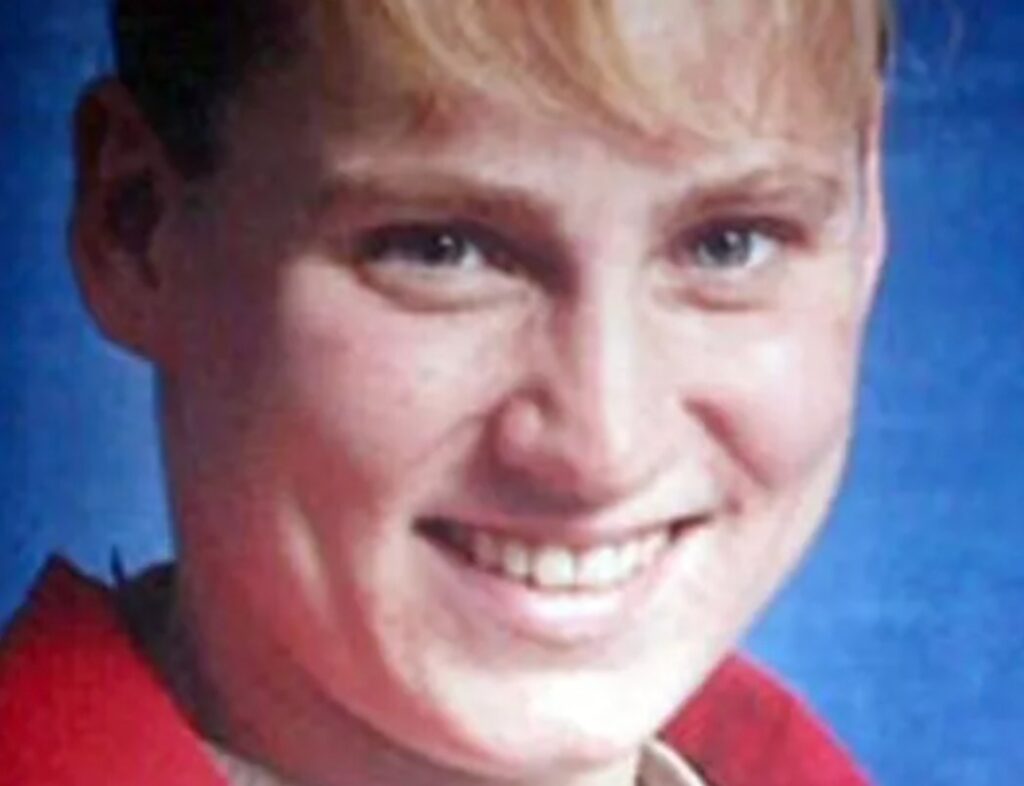
Park visitors also reported hearing Keltie’s final, desperate words:
“I don’t want to die.”
Minutes later, she was gone.
The Aftermath: A Park Shut Down
Keltie Byrne’s death shocked the world and permanently stained the reputation of Sealand of the Pacific. The park closed its doors for good shortly afterward.
The three orcas were sold to SeaWorld Florida, a move that would spark even greater controversy in the years to come.
Tilikum’s Deadly Legacy
The tragedy did not end with Keltie.
In 1999, the body of Daniel Dukes was discovered inside Tilikum’s tank at SeaWorld. The park claimed Dukes had trespassed after hours, though questions lingered.
Then, in 2010, during a live performance in front of a packed audience, Tilikum killed senior trainer Dawn Brancheau. The incident was captured on camera and broadcast worldwide, igniting global outrage.
Brancheau’s death forced SeaWorld to make historic changes, including ending its orca breeding program and permanently shutting down orca performances.
The End of Tilikum’s Life
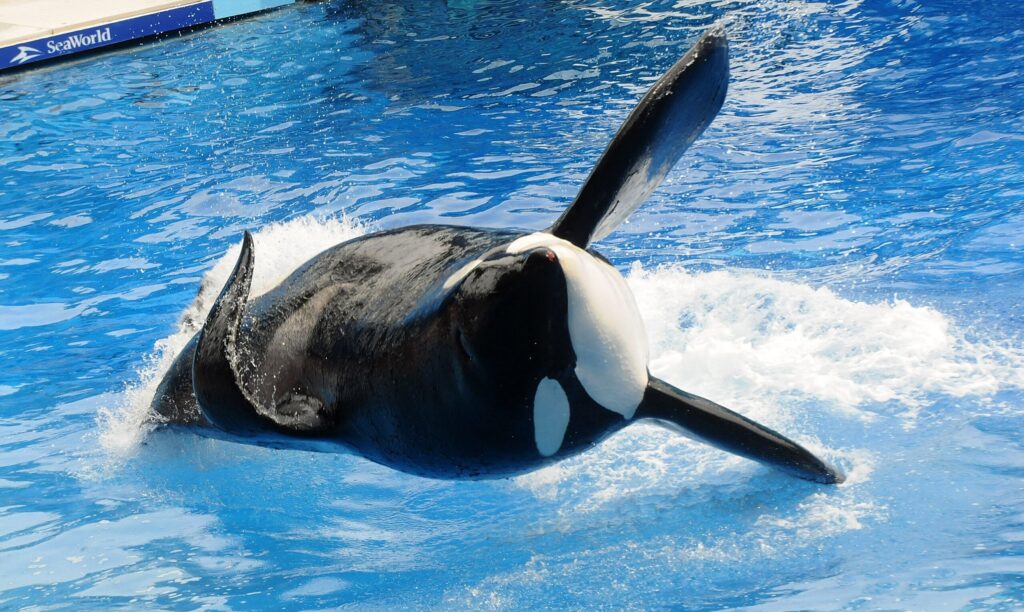
After decades in captivity, Tilikum died in 2017 following a bacterial infection.
To some, he was a monster. To others, he was a tragic symbol of what happens when powerful wild animals are confined, controlled, and misunderstood.
Bottom Line: A Tragedy That Changed Everything
The death of Keltie Byrne remains one of the most chilling reminders of the dangers hidden behind captivity walls.
Her final words still echo as a warning — not just about killer whales, but about the limits of human control over nature.
This was not just an accident. It was a turning point that forced the world to confront an uncomfortable truth: wild animals, no matter how trained, are never truly tame.
Leave a Reply