

Atlanta is making headlines with a bold and surprisingly simple climate move — painting its rooftops brighter. The city has officially passed new legislation requiring that all new or replacement roofs be “cool roofs” — designed to reflect sunlight instead of absorbing it.
The decision has sparked debate among homeowners, but city leaders say the change could help reduce extreme summer heat, lower energy costs, and even save lives.
Cooling an Entire City, One Roof at a Time
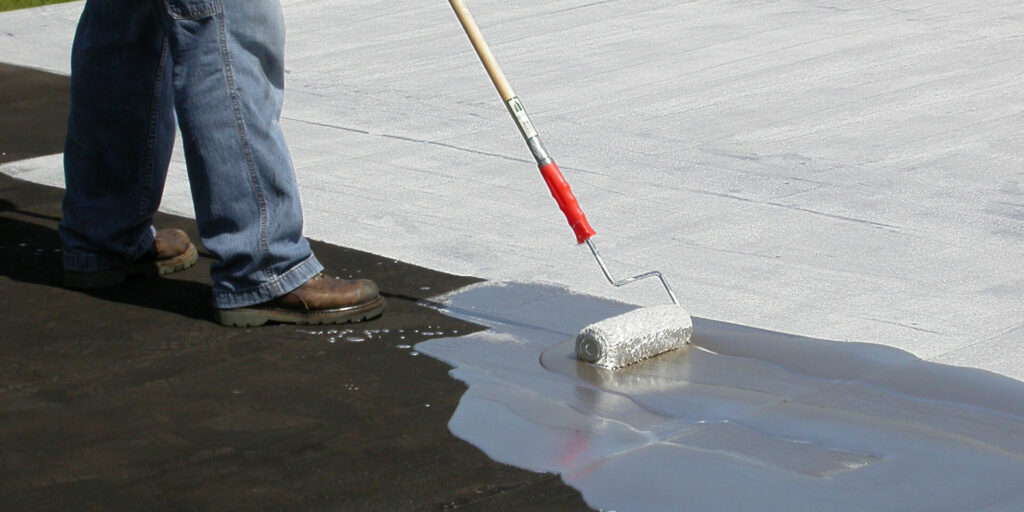
Unlike traditional dark rooftops that trap heat, reflective “cool roofs” bounce sunlight back into the atmosphere, keeping homes and neighborhoods cooler.
According to data shared by Grist, the new law could lower Atlanta’s average temperature by up to 2.4°F, and by as much as 6.3°F in the city’s hottest neighborhoods. In a region known for sweltering summers, that difference could mean everything — especially for vulnerable residents like the elderly and children.

Billions Saved and Energy Conserved
What makes this move even more impressive? It’s practically cost-free.
Experts estimate that the new cool roof standard could save $315 million in energy bills over the next 35 years — without raising construction costs. In fact, reflective roofs often last longer than standard ones since they suffer less heat damage.
Greg Kats, founder and CEO of the nonprofit Smart Surfaces Coalition, summed it up perfectly:
“It’s a super cost-effective way to make the city healthier, more competitive, cut energy bills, and protect jobs.”
Fighting Urban Heat Islands
Atlanta, like many modern cities, suffers from the urban heat island effect — where asphalt, concrete, and metal surfaces trap heat, pushing urban temperatures far higher than nearby rural areas.
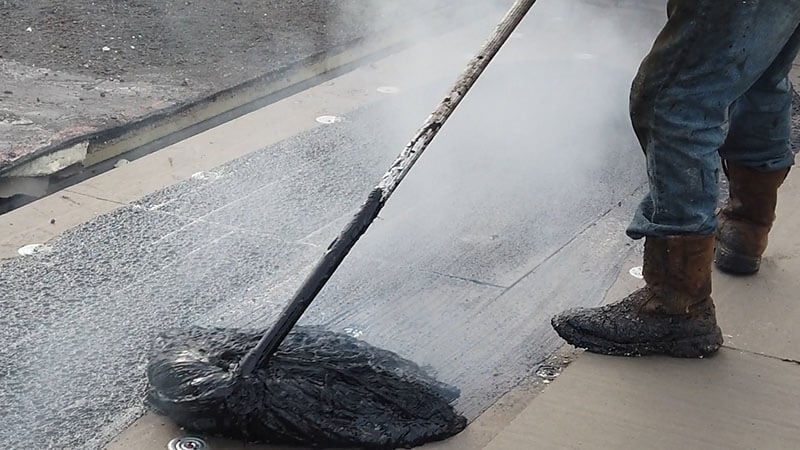
As climate change drives longer, more dangerous heatwaves, these urban heat pockets have become deadly. A recent New York Times report found a 117% increase in heat-related fatalities in the U.S. since 2000, underscoring the urgency of city-level climate adaptation.
“This Is About Resilience, Not Just Roofs”
Atlanta’s approach goes further than many major cities, including Los Angeles, Chicago, and New York City, where similar “cool roof” programs exist but aren’t citywide mandates.
Councilor Liliana Bakhtiari, who authored the bill, emphasized that the initiative is about more than construction standards — it’s about justice and protection:
“This legislation is not just about roofs; it’s about resilience. It’s about protecting health, reducing energy burdens, and standing up for communities that have been overlooked for far too long. Atlanta is not just talking about climate justice; we’re delivering it.”
A Blueprint for the Future
As the planet warms, more cities are expected to follow Atlanta’s lead — adopting “cool” infrastructure that helps fight climate change while saving money. From reflective roofs to tree canopies and green surfaces, these solutions prove that small changes, multiplied across a city, can have an enormous impact.
So, could this be the future of urban design — a city that cools itself, roof by roof?
Would you paint your roof white for a cooler planet? 🌎
Leave a Reply