
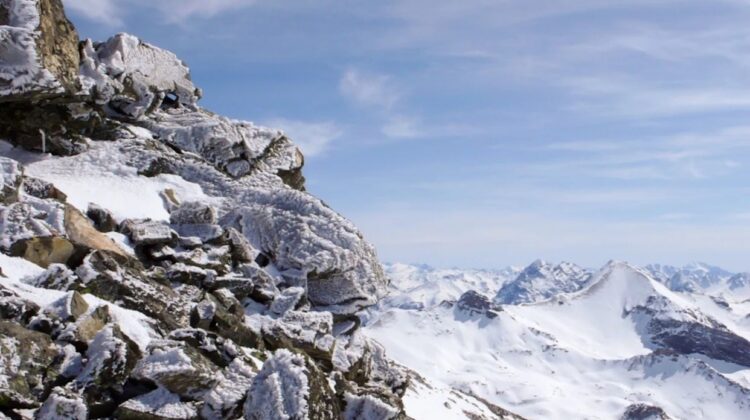
The sky isn’t falling — but in parts of the world, mountains literally are.
Experts are sounding the alarm after a dramatic and unexpected mountain collapse in the Swiss Alps, an event scientists say is a clear warning sign of accelerating climate instability caused by human-driven global warming.
What Happened?
On June 11, 2023, the summit of Mount Fluchthorn, one of the highest peaks in its Swiss mountain group, collapsed suddenly and without warning.
An estimated 3.5 million cubic feet of rock broke loose and thundered into the valley below.
Fortunately, no one was injured. However, the collapse permanently reshaped the mountain, leaving Mount Fluchthorn approximately 60 feet shorter than it had been for thousands of years.
The Hidden Glue Holding Mountains Together
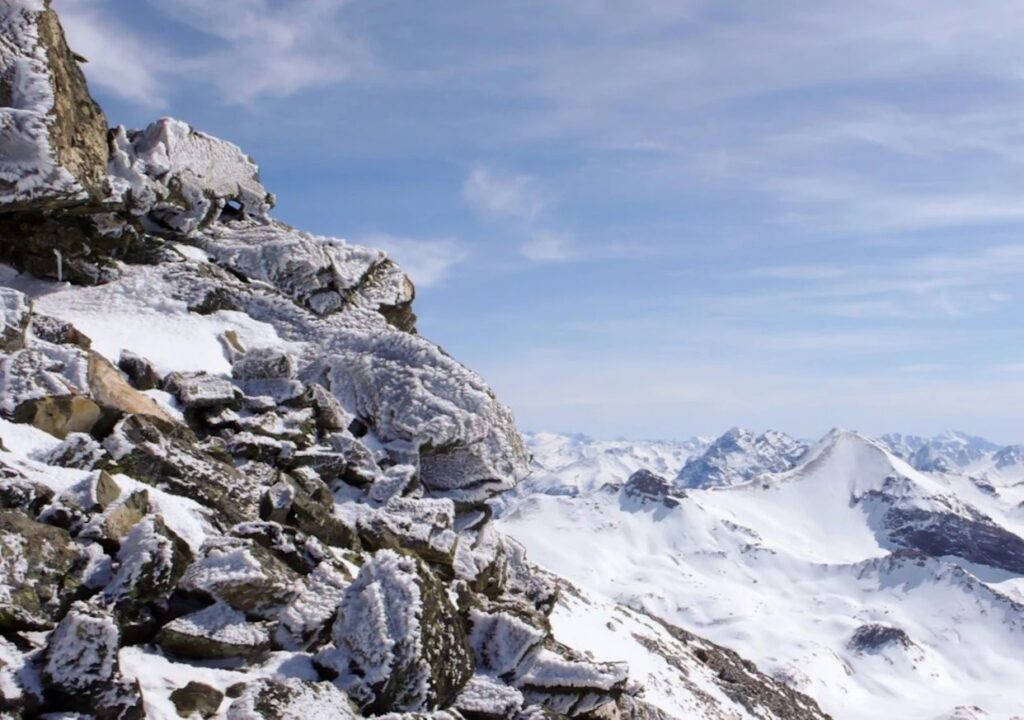
Scientists quickly identified the cause: the loss of permafrost — a permanently frozen layer of ice and soil that acts as a natural stabilizer inside many high-altitude mountains.
According to Jasper Knight, a geoscientist at the University of Witwatersrand in South Africa:
“Permafrost is important because frozen water within the ground holds the ground surface together and prevents it from moving. When that ice melts, the liquid water flows away, making the ground unstable and capable of moving very quickly.”
Mount Fluchthorn contained a significant amount of permafrost, which had remained frozen for millennia. As global temperatures rise, this frozen foundation is now disappearing.
A Peak Frozen for Thousands of Years — Until Now
Jan-Christoph Otto, a geologist at the University of Salzburg, explained to LiveScience:
“This mountain peak has been frozen for probably thousands of years. The failure at Fluchthorn is most likely the result of extreme temperatures during last summer or fall.”
In other words, a mountain that had remained stable since long before modern civilization collapsed within seconds.
Why This Collapse Is Deeply Concerning
The loss of permafrost is not an isolated incident — it is a direct consequence of planetary overheating.
According to Swiss meteorological data, temperatures in the Alps are rising by about 0.5°C per decade, nearly twice the global average. As warming accelerates:
- Permafrost weakens mountain structures
- Ice and snow melt more rapidly
- Floods, landslides, and debris flows increase
- Entire slopes become unstable
Scientists warn that approximately 670 million people live in high-mountain regions worldwide. Events like this pose a growing risk of fatal landslides, destroyed farmland, blocked transportation routes, and contaminated water supplies.
Can Anything Be Done?
Some Indigenous mountain communities have long relied on traditional land-management systems to cope with extreme conditions. One example is agricultural terracing, which helps reduce erosion and stabilize slopes.
However, experts agree that local solutions alone are not enough.
Preventing further mountain collapse requires slowing the rate of global warming itself. This includes:
- Reducing reliance on single-use plastics
- Transitioning from gas-powered vehicles to electric cars
- Expanding the use of renewable and clean energy sources
Without meaningful action, scientists warn that today’s rare collapses could become tomorrow’s routine disasters.
Why Climate-Resilient Land Management Matters More Than Ever
As climate extremes intensify, investments in sustainable land management, soil stabilization, renewable energy infrastructure, and climate-resilient agriculture are becoming essential worldwide. Advanced monitoring technologies, eco-engineering solutions, and long-term environmental planning now play a crucial role in protecting communities, infrastructure, and food systems from irreversible natural degradation.
Leave a Reply