
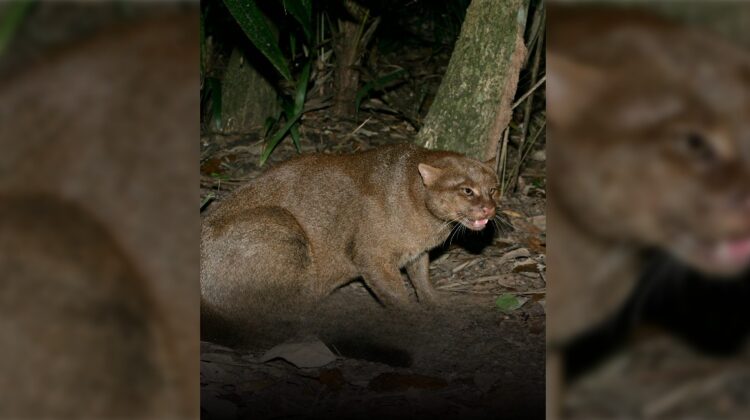
Deep within the dense thorny brushlands of southern Texas, a mysterious name is once again echoing among local residents and wildlife enthusiasts: the Jaguarundi.
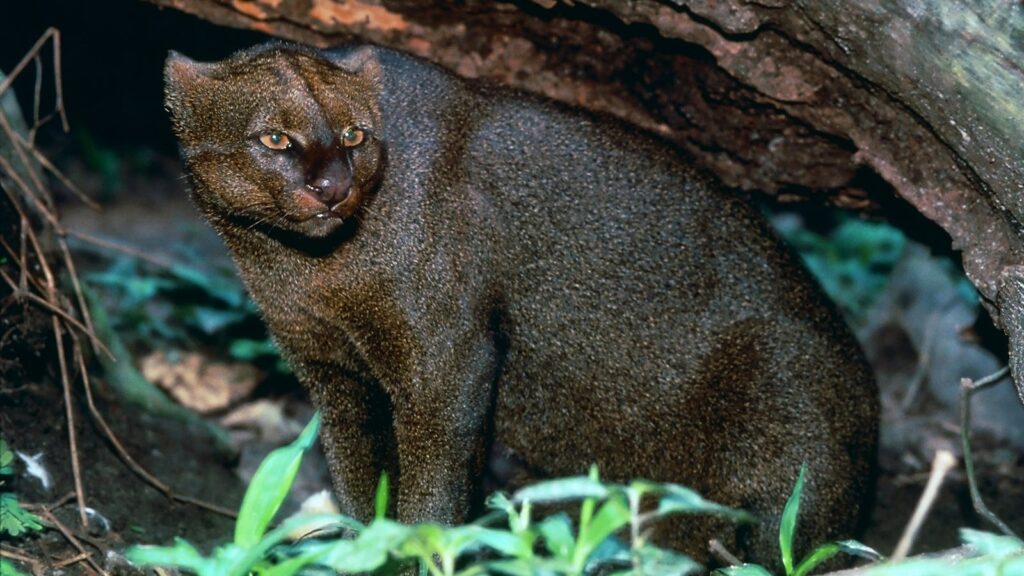
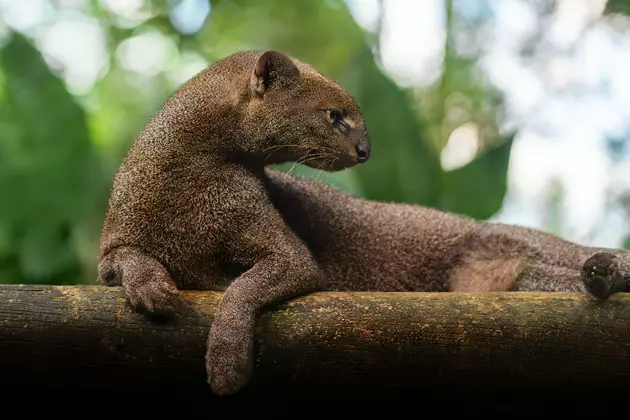
This elusive wild cat — with its long, low body and sleek, dark coat — has puzzled scientists and nature lovers for decades. Often described as looking like a strange mix between a weasel and a small cougar, the jaguarundi has long been considered one of the most mysterious predators in North America.
Now, new reports from locals are reviving an old question: could this “ghost cat” still be hiding in Texas?
A Disappearance That Lasted Decades
From a scientific standpoint, the jaguarundi is considered extremely rare in the United States.
The last officially documented sighting in Texas occurred in 1986. After that, wildlife experts concluded that the species had likely disappeared from the region due to habitat loss, urban expansion, and environmental changes.
Today, the animal still survives in parts of Mexico and throughout Central and South America, but its presence north of the border remains uncertain.
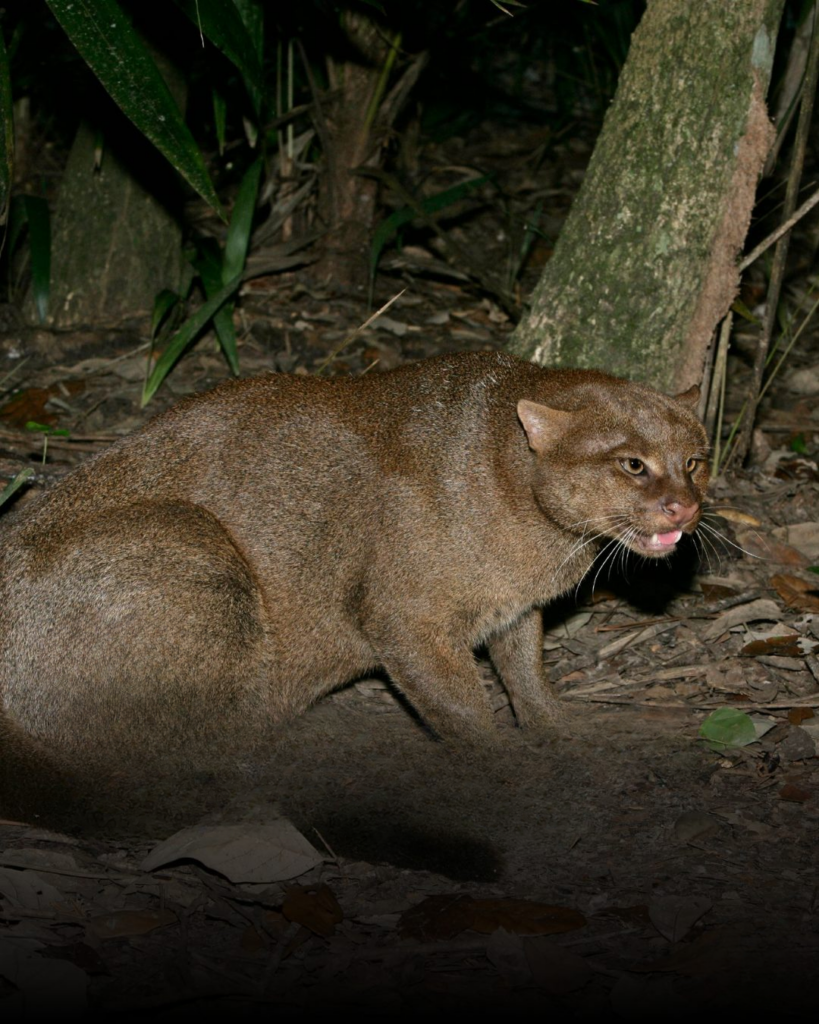
For decades, the jaguarundi has been treated almost like a legend in Texas — an animal that once existed there but may no longer roam its historic range.
New Sightings Spark Curiosity
Recently, however, several residents in southern Texas have reported seeing an unusual wild cat moving quickly through thick brush and woodland.
Witnesses describe an animal with:
- A long, slender body
- Short legs
- Dark gray or reddish-brown fur
- A smooth, low movement close to the ground
These descriptions closely match the appearance of the jaguarundi.
While eyewitness reports alone are not considered scientific proof, they have renewed interest among wildlife observers and conservation groups.
Scientists Want Clear Evidence
Despite the growing excitement, biologists remain cautious.
In an age where smartphones, trail cameras, and security cameras are widespread, experts say that solid proof should be possible if the animal truly exists in the region.
Researchers are hoping for one of the following forms of evidence:
- A clear photograph or video
- DNA samples (such as hair or scat)
- Distinct footprints verified by wildlife experts
Until such evidence appears, the jaguarundi’s presence in Texas remains unconfirmed.
Why Its Return Would Matter
If the jaguarundi were confirmed to be living again in southern Texas, it would be more than just an exciting wildlife story.
Predators like this small wild cat are important indicators of healthy ecosystems. Their presence suggests that prey species, vegetation, and habitat corridors are functioning well enough to support them.
It could also mean that wildlife pathways between Mexico and Texas are still allowing animals to move naturally across the landscape.
Such a discovery would be a major moment for conservation efforts in the region.
Mistaken Identity?
Another possibility is that people are confusing the jaguarundi with other animals.
For example, the rare Ocelot still lives in parts of southern Texas and could sometimes be mistaken for another feline in poor lighting or from a distance.
Large domestic cats or other wildlife may also lead to misidentifications.
Still, the mystery persists — and many wildlife enthusiasts remain hopeful that the elusive cat may simply be very good at staying hidden.
Between Myth and Reality
For now, the jaguarundi remains a shadowy figure in Texas wildlife lore — part scientific mystery, part symbol of the wilderness people fear losing.
Perhaps somewhere in the tangled brush of southern Texas, a small, quiet predator is still slipping through the undergrowth, unseen by human eyes.
All it may take is one clear photograph to turn legend into reality.
Wildlife conservation and habitat restoration projects are becoming increasingly important across North America. Protecting biodiversity, preserving natural corridors, and supporting endangered species recovery programs help maintain ecological balance and ensure that rare animals can survive in their natural environments. Advances in wildlife tracking technology, environmental research, and conservation funding are playing a key role in protecting these fragile ecosystems.
Leave a Reply