
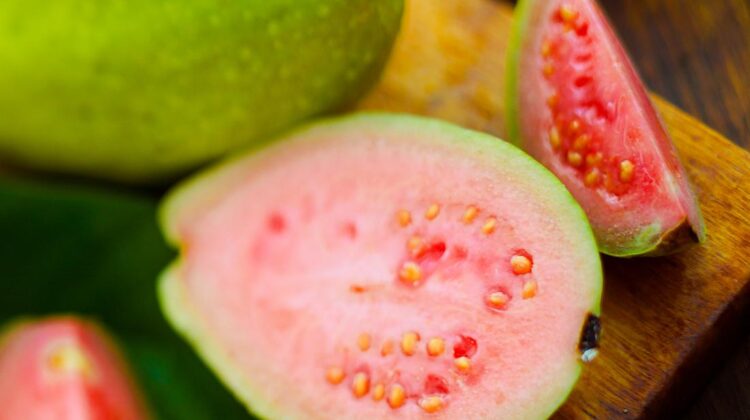
When we think of guava, most of us picture its juicy sweetness and tropical fragrance — a staple in homes across the Caribbean, Latin America, and Asia. But beyond its delicious taste, guava (and its leaves) hides a powerful secret: it can naturally help regulate blood sugar levels and support people living with diabetes.
Nature’s Ally Against Diabetes
Modern medicine often focuses on drugs and synthetic treatments, but nature continues to offer its own remarkable tools for wellness. Guava has been used for centuries in traditional medicine for its healing properties, and today, science is starting to confirm what ancient wisdom long knew — that this humble fruit can play a real role in blood sugar management.
The leaves of the guava plant are especially beneficial. They contain natural compounds that improve insulin sensitivity, helping the body use sugar more efficiently and preventing glucose buildup in the bloodstream. This makes guava an excellent complement for those aiming to stabilize their blood sugar naturally.
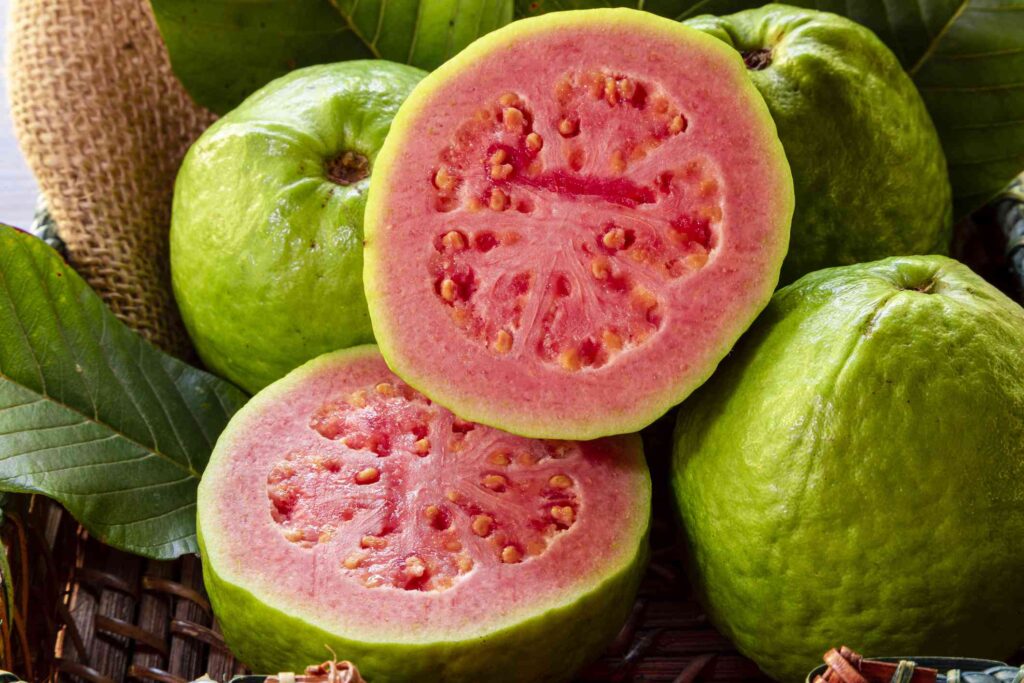
How to Use Guava Leaves
The most common and effective way to use guava leaves is by making an infusion.
Simply boil a handful of fresh or dried guava leaves in water for about 10 minutes. Drink the tea warm, ideally after meals.
Regular consumption may help reduce post-meal glucose spikes — those sudden rises in blood sugar that can make diabetes harder to manage. Its mild, herbal flavor also makes it an enjoyable daily ritual.
A Fruit Packed with Nutrients
Beyond its leaves, the fruit itself is a true nutritional gem. Guava contains more vitamin C than oranges, along with dietary fiber that promotes digestion and stabilizes blood sugar. Its low glycemic index means it releases sugar slowly into the bloodstream — a perfect choice for people with diabetes who want to enjoy something sweet without guilt.
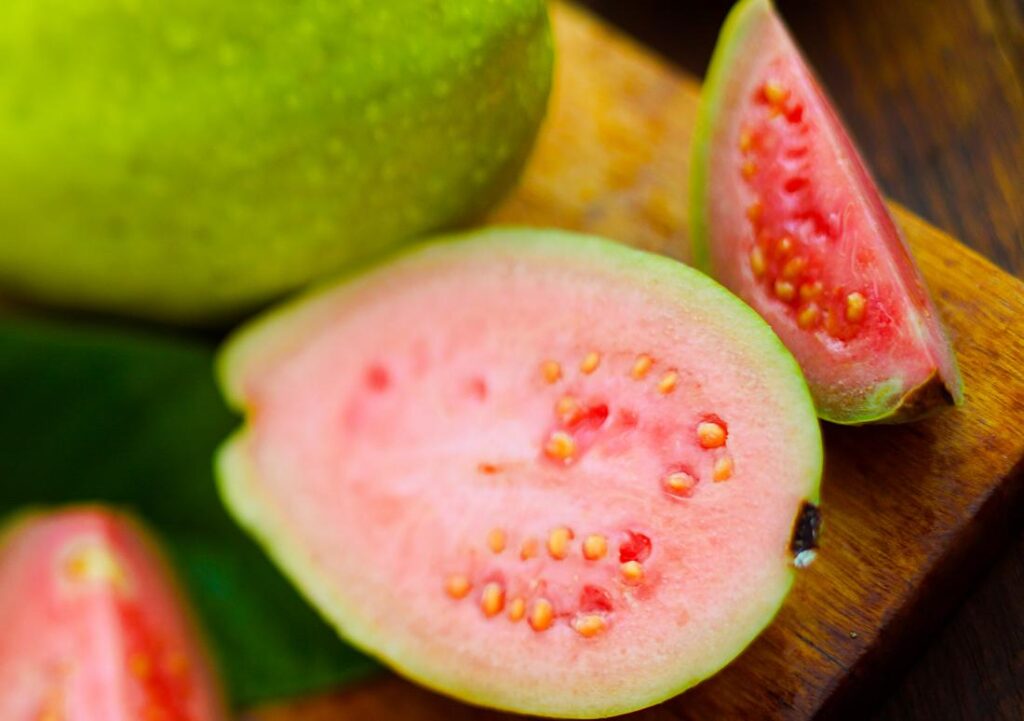
More Health Benefits of Guava
Guava isn’t just good for blood sugar — it also supports heart health, strengthens the immune system, reduces inflammation, and is packed with antioxidants that protect the body’s cells from free radicals. Regularly including guava in your diet helps the body stay resilient and lowers the risk of long-term complications.
A Natural Support, Not a Replacement
It’s important to remember that guava and its leaves are not a substitute for medical treatment. People with diabetes should always follow their doctor’s guidance, maintain a balanced diet, and stay active. Guava should be seen as a natural ally — a gentle helper that complements professional care.
Easy Ways to Add Guava to Your Routine
You can enjoy guava in many ways:
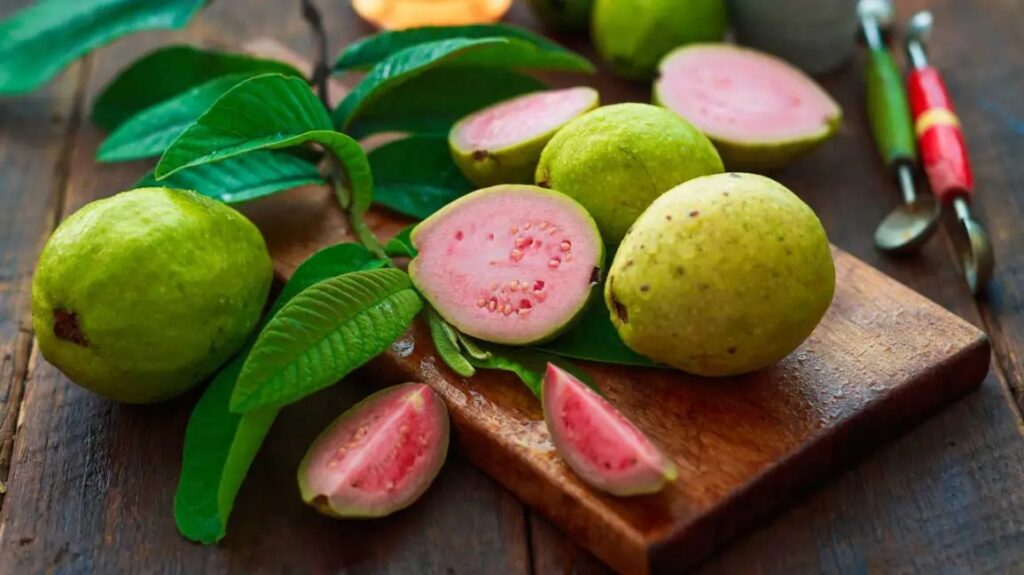
- Fresh as a snack or sliced into fruit salads
- As unsweetened juice or smoothies
- As tea made from guava leaves
- Added to yogurts or breakfast bowls
The key is consistency — small daily habits make a big difference.
Final Thoughts
Diabetes may be a lifelong condition, but it doesn’t have to control your life. With mindful choices and natural allies like guava, it’s possible to live a balanced, vibrant, and healthy life. Nature often gives us what we need — we just have to listen.
Leave a Reply