
A devastating video from France has captured the world’s attention — and could transform how we approach marine conservation, sustainability funding, and the multi-billion-dollar ocean economy.
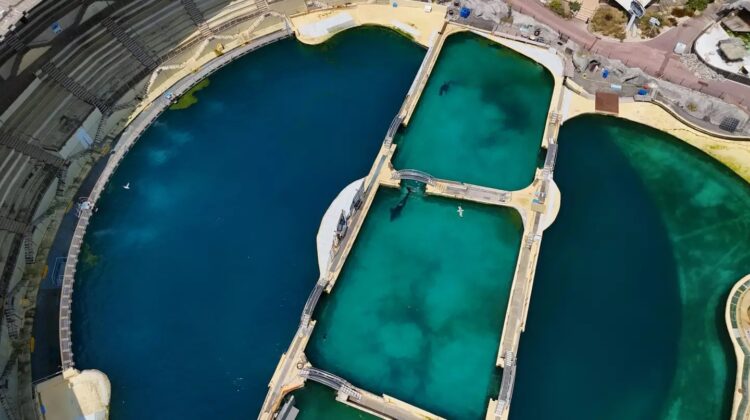
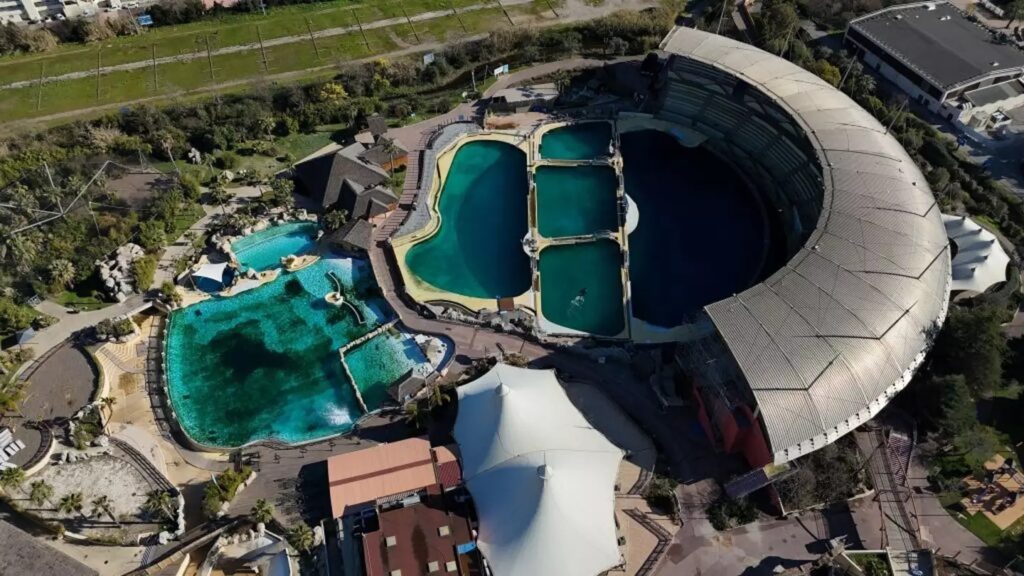
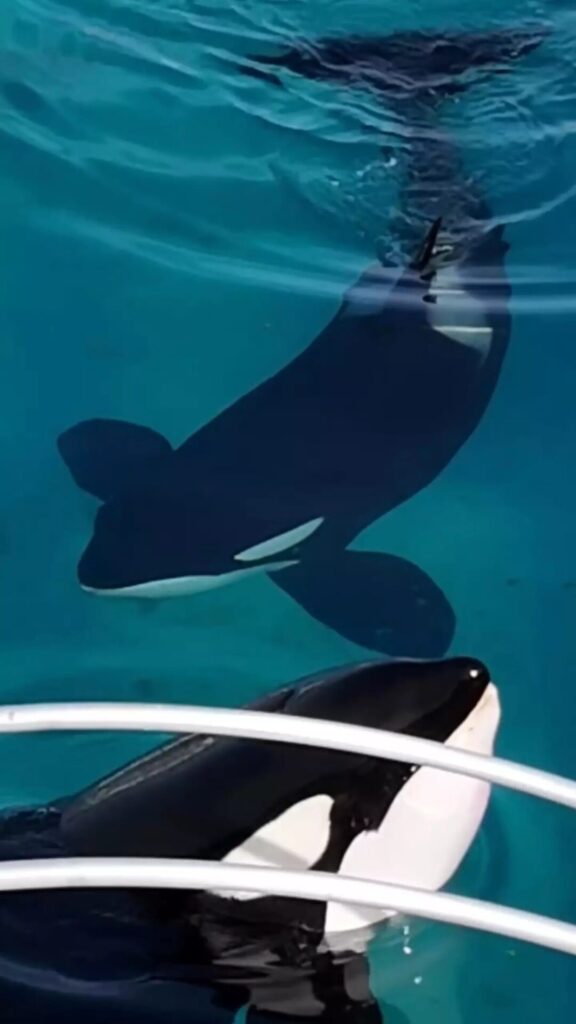
Two orcas, Wikie (23) and her son Keijo (11), were found floating listlessly in the stagnant waters of the abandoned Marineland of Antibes. The park, once one of Europe’s largest marine attractions, was shut down earlier this year following a new French animal welfare law banning orca performances.
For months, activists have warned that the pair’s survival is at serious risk unless they are urgently relocated to a proper ocean sanctuary.
A Cry for Help — and a Message to the World
When drone footage by environmental filmmaker Seph Lawless surfaced online, it shocked millions. In the haunting clip, Wikie appears motionless before suddenly rising, twirling, and leaping — performing the same tricks she once did for crowds.
But this time, there was no audience — only silence.
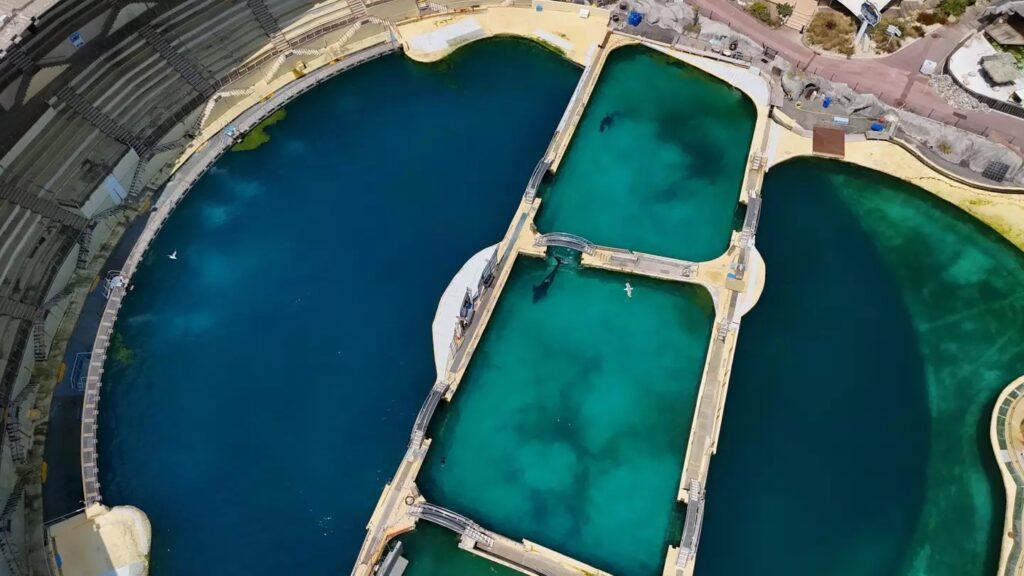
“Leaping, twirling, performing the only language they were ever taught,” Lawless wrote. “But this time, there was no crowd. Just me… and their longing to be free.”
The video has since gone viral, amassing millions of views and sparking a worldwide movement calling for ethical marine rehabilitation and sustainable ocean funding.
From Tragedy to Transformation: The Rise of the “Blue Economy”
Experts say this tragic case highlights the urgent need for investment in ethical ocean industries, including:
- AI-driven marine health tracking systems
- Eco-tourism initiatives that replace exploitative entertainment
- Marine sanctuaries powered by renewable energy
- Government-backed ocean conservation funds
According to the World Bank, the global “Blue Economy” — sustainable use of ocean resources for economic growth — is projected to exceed $3 trillion by 2030.
Every dollar invested in ocean conservation generates long-term environmental and financial returns, fueling climate resilience, sustainable tourism, and marine biodiversity protection.
What Comes Next for Wikie and Keijo
Animal welfare groups, including The Whale Sanctuary Project (WSP), are currently working with the French government to relocate the orcas to Nova Scotia, where they would live in a semi-wild ocean refuge — the first of its kind in Europe.
“We remain committed to working with the government, Marineland Antibes, and other organizations to help provide the best possible future for the two whales,” said WSP president Lori Marino.
A Wake-Up Call for Global Investors and Citizens
This viral tragedy has become a powerful reminder that animal welfare, environmental technology, and green finance are interconnected.
Modern conservation isn’t just about saving wildlife — it’s about building a sustainable economy that values life over profit.
As climate change continues to threaten marine ecosystems, there’s never been a greater need to channel investment, innovation, and compassion into saving our oceans.
The Bottom Line
The heartbreaking story of Wikie and Keijo isn’t only about two suffering orcas — it’s about our responsibility to protect life on Earth through smart, ethical, and sustainable choices.
If the world can turn one viral moment into a movement for change, it proves that compassion can be both powerful and profitable.
Leave a Reply