
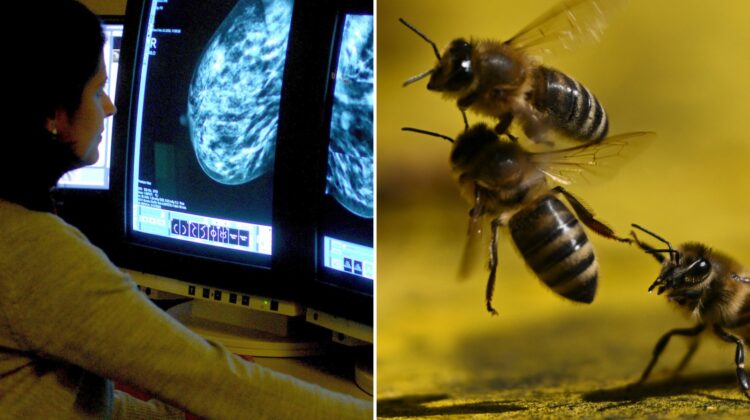
Australian scientists have made a remarkable discovery — honeybee venom may hold the key to fighting some of the most aggressive types of breast cancer. Researchers found that compounds within the venom, particularly one called melittin, were able to destroy breast cancer cells in laboratory tests, offering a glimpse of hope for future treatments.
A Natural Weapon Against Cancer
The study, led by Dr. Ciara Duffy from the Harry Perkins Institute of Medical Research in Western Australia, tested venom from more than 300 honeybees and bumblebees. Results showed that honeybee venom was “extremely potent” against two hard-to-treat breast cancer types — triple-negative and HER2-enriched cancers.
In controlled lab experiments, one concentration of venom destroyed cancer cells within an hour, causing minimal damage to healthy cells. Scientists also observed that melittin, a natural compound in the venom, could disrupt cancer cell growth on its own — even when synthetically produced.
How Melittin Works
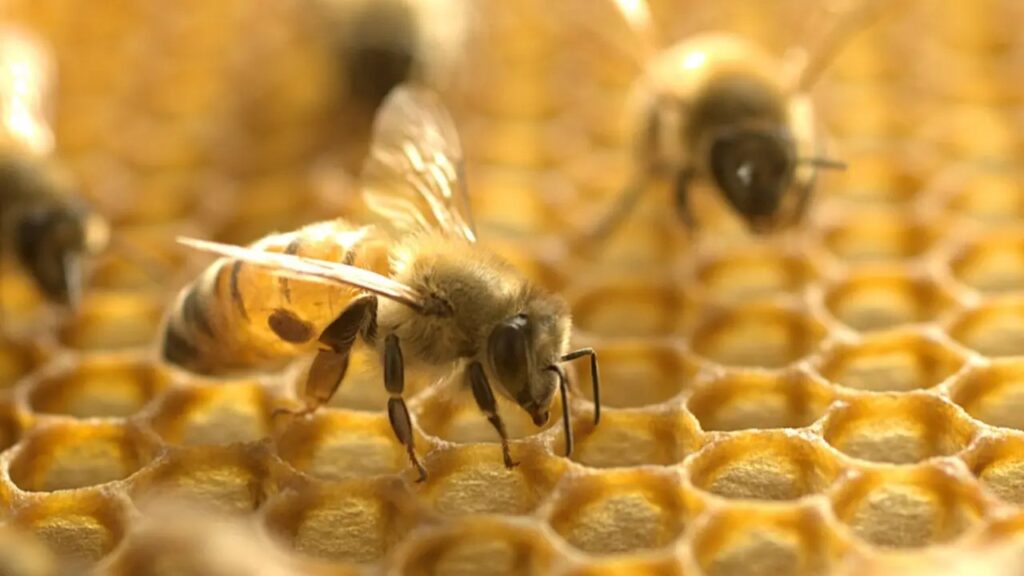
Melittin appears to interfere with the signaling pathways inside breast cancer cells, blocking their ability to replicate and spread. This could make it a promising candidate for future drug development.
Western Australia’s Chief Scientist, Professor Peter Klinken, described the discovery as “incredibly exciting” — a reminder that nature continues to offer powerful solutions for human diseases.
Hope with Caution
Despite the excitement, researchers urge caution. Dr. Duffy emphasized that these findings are still in the early stages. Many substances that kill cancer cells in a petri dish don’t always translate into safe, effective human treatments.
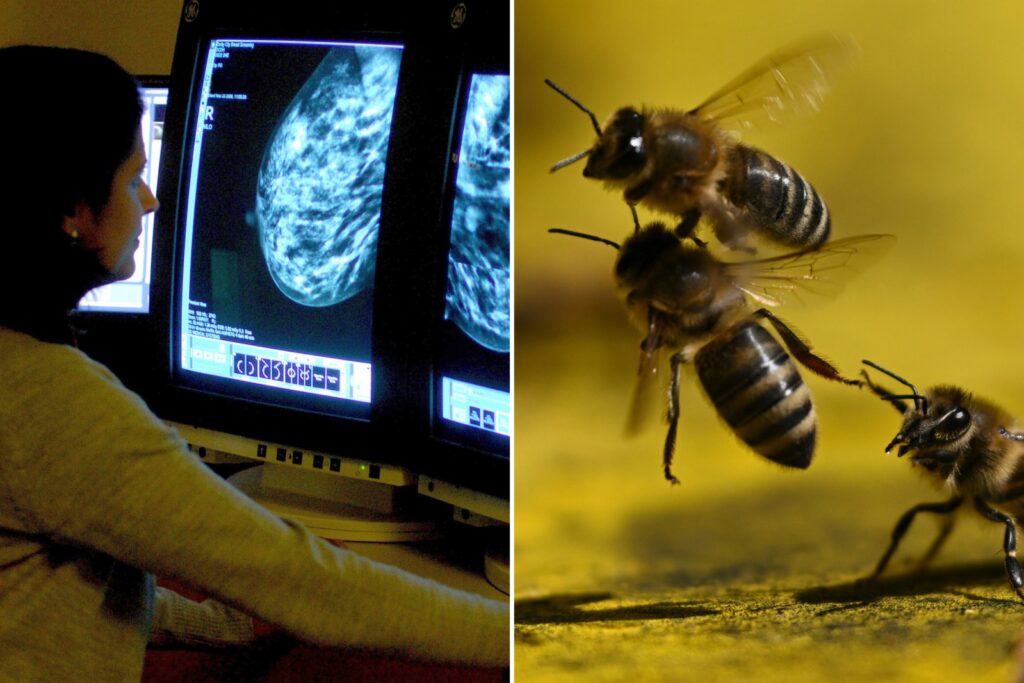
As Associate Professor Alex Swarbrick from the Garvan Institute of Medical Research explained, “Many compounds can kill a breast cancer cell in a dish or in a mouse. But there’s a long way to go before it changes clinical practice.”
A Step Toward Nature-Inspired Medicine
While more testing and clinical trials are needed, the study adds to growing evidence that natural compounds—from plants, animals, and insects—may help unlock new ways to treat complex diseases.
For now, honeybee venom’s potential role in cancer therapy remains a fascinating and hopeful area of scientific exploration.
Leave a Reply