
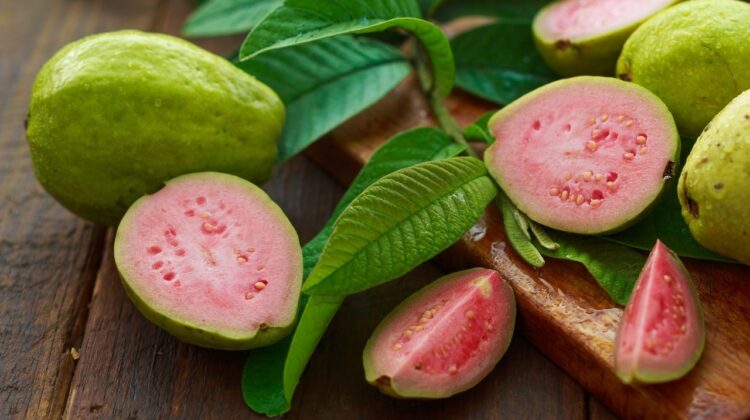
دGuava, the tropical fruit known for its refreshing sweetness and rich aroma, is far more than a pleasant snack. Behind its simple appearance hides a powerhouse of nutrients that can be particularly beneficial for people living with diabetes. Thanks to its low glycemic index, high fiber content, and natural antioxidants, guava helps balance blood sugar, protect the heart, and support overall health when eaten correctly and in moderation.
One of the main reasons guava is recommended for diabetics is its ability to regulate blood sugar levels naturally. Its sugars are released slowly into the bloodstream, preventing the sudden spikes and crashes that often follow high-carb meals. This makes guava a safe and steady source of energy throughout the day. Its high content of soluble fiber also plays a vital role — fiber slows digestion and sugar absorption, reducing the risk of post-meal glucose surges. A single medium-sized guava provides almost a fifth of your daily fiber needs, keeping the digestive system healthy and improving satiety, which in turn helps control appetite and maintain a healthy weight.
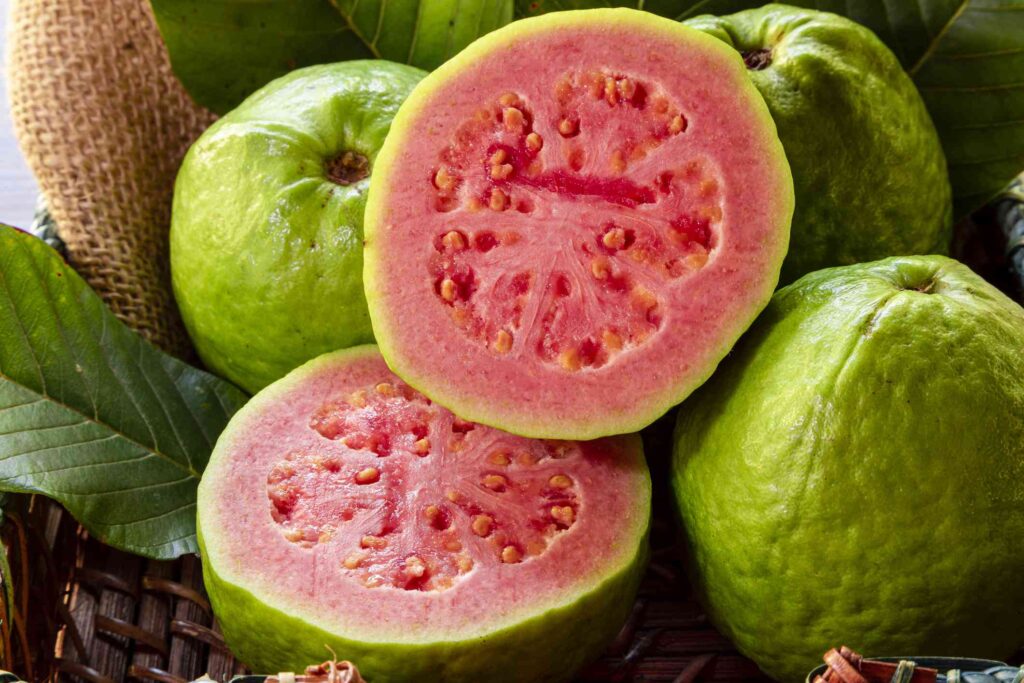
For people with diabetes, heart health is always a concern. Guava offers powerful protection thanks to nutrients like potassium, vitamin C, and natural antioxidants that help lower harmful LDL cholesterol while raising beneficial HDL levels. This balance supports healthy blood pressure and strengthens cardiovascular function. Meanwhile, its extraordinary vitamin C content — higher than that of four oranges — boosts the immune system, helps the body fight inflammation, and promotes faster wound healing, which is especially valuable for diabetics who often experience slower recovery.
Another advantage of guava is its contribution to weight control. Being low in calories yet high in fiber, it fills you up without adding excess sugar or fats. Replacing processed snacks with fresh guava can be a simple and delicious way to stay full longer and nourish the body with essential vitamins and minerals.

Still, moderation and timing are key. Experts recommend eating half to one small guava per day, preferably not on an empty stomach, since it can lower blood sugar too quickly in some cases. It’s best enjoyed fresh and unseasoned — skip the extra salt or chili powder often added in some regions, as they can raise sodium levels and blood pressure. Eating it with the skin is also beneficial because the peel contains additional fiber and antioxidants, but make sure it’s properly washed or opt for organic fruit. And as always, anyone taking diabetes medication should consult their doctor or dietitian before making it a daily habit.
Guava is one of those rare gifts of nature — simple, nourishing, and perfectly suited for modern health needs. For people managing diabetes, it’s not just a fruit but a natural ally that helps the body stay balanced, energized, and strong.
Leave a Reply