
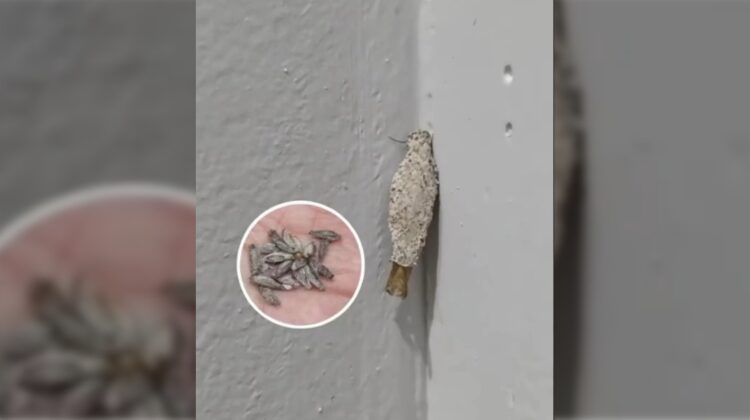
Kamitetep, also known as the household casebearer or plaster bagworm, is a tiny moth species that often makes its way into homes. While it doesn’t pose a direct threat to humans and doesn’t spread disease, its presence can quickly become annoying since the larvae feed on dust, hair, fabric fibers, and other organic debris. Understanding what causes them to appear can help prevent infestations and keep your home cleaner.
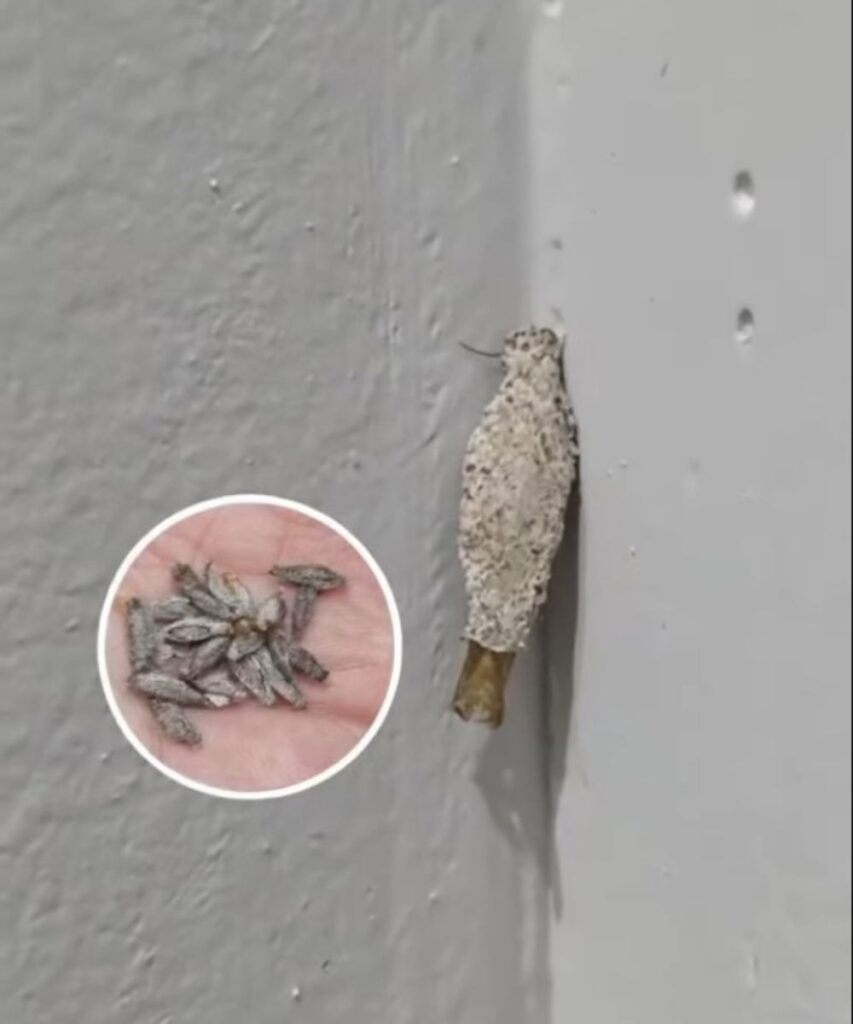
One of the biggest factors is humidity. These pests thrive in damp, poorly ventilated areas like bathrooms, basements, and spaces under sinks. Moisture not only helps them survive but also encourages the buildup of dust and mold, which serve as extra food sources. Dust, lint, and pet hair are perfect meals for the larvae, so homes that aren’t vacuumed regularly or cleaned thoroughly can easily attract them. Natural fabrics such as wool, silk, and felt also make matters worse if stored improperly in dark, unused corners, because they provide ideal conditions for feeding and shelter.
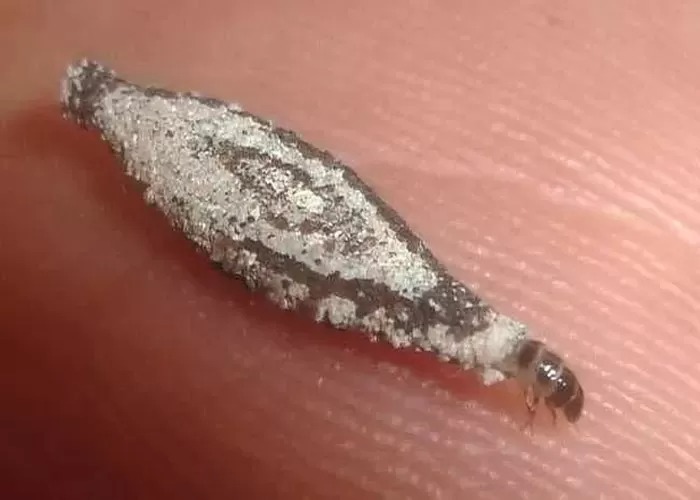
Clutter plays a huge role as well. Stacks of newspapers, cardboard boxes, and unused furniture create dark, undisturbed areas where kamitetep can hide and multiply without being noticed. If homeowners rarely check behind furniture, inside closets, or under beds, small populations can grow into larger infestations. Warmer weather is another factor; these insects are more active during the summer months, but in humid regions they can persist year-round. Homes with pets are especially vulnerable, since shedding fur provides an abundant food supply.
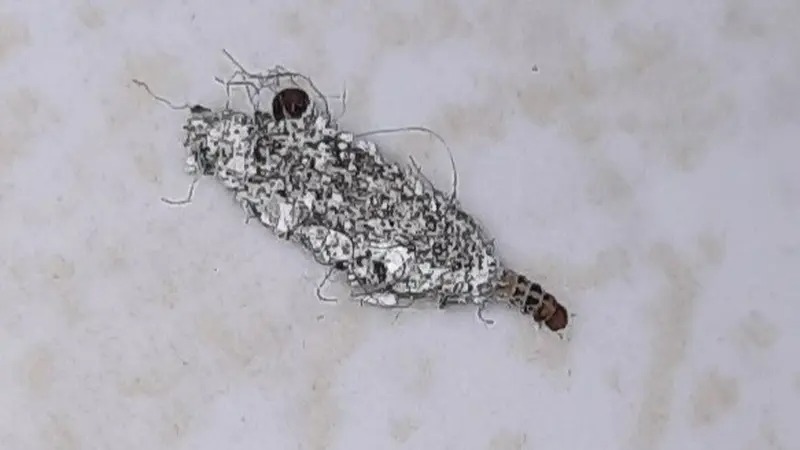
In short, kamitetep infestations are driven by moisture, accumulated debris, fabrics, clutter, lack of inspection, warm climates, and pet hair. The good news is that prevention is simple: regular cleaning, vacuuming, reducing clutter, improving ventilation, and storing textiles properly can greatly reduce their numbers. By staying vigilant, you can keep these pests from turning your home into their feeding ground.
Leave a Reply