
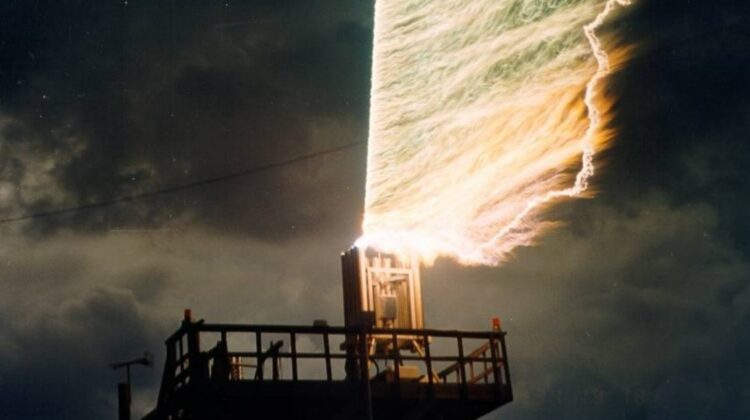
Florida has become the stage for one of the most extraordinary scientific achievements in modern meteorology: the creation of controlled lightning. Using a technique called rocket-triggered lightning, researchers at the International Center for Lightning Research and Testing (ICLRT) in Camp Blanding are able to generate lightning bolts on demand, unlocking insights into one of nature’s most powerful and mysterious forces.
How Rocket-Triggered Lightning Works
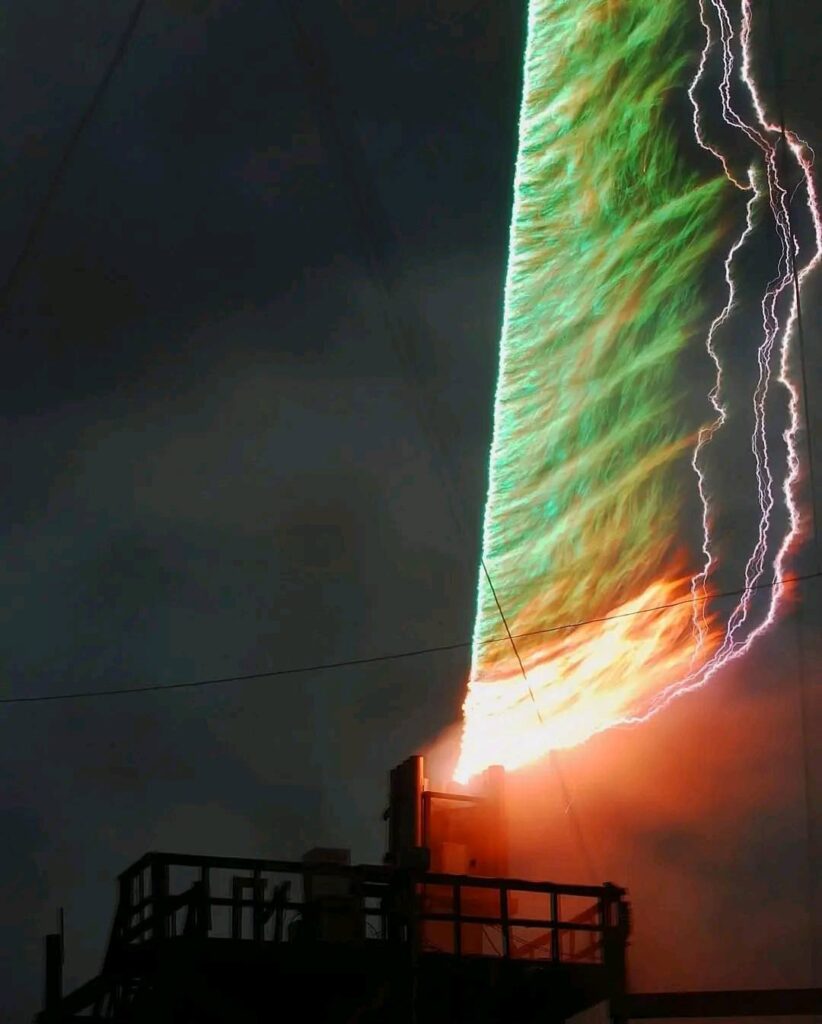
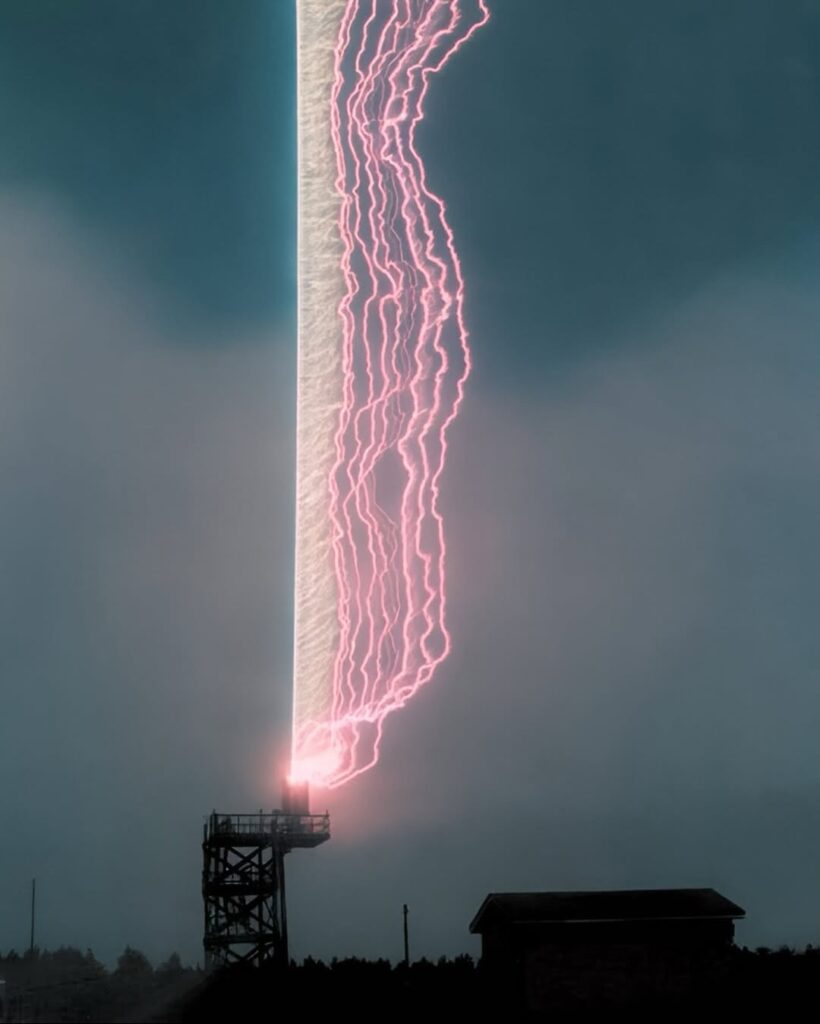
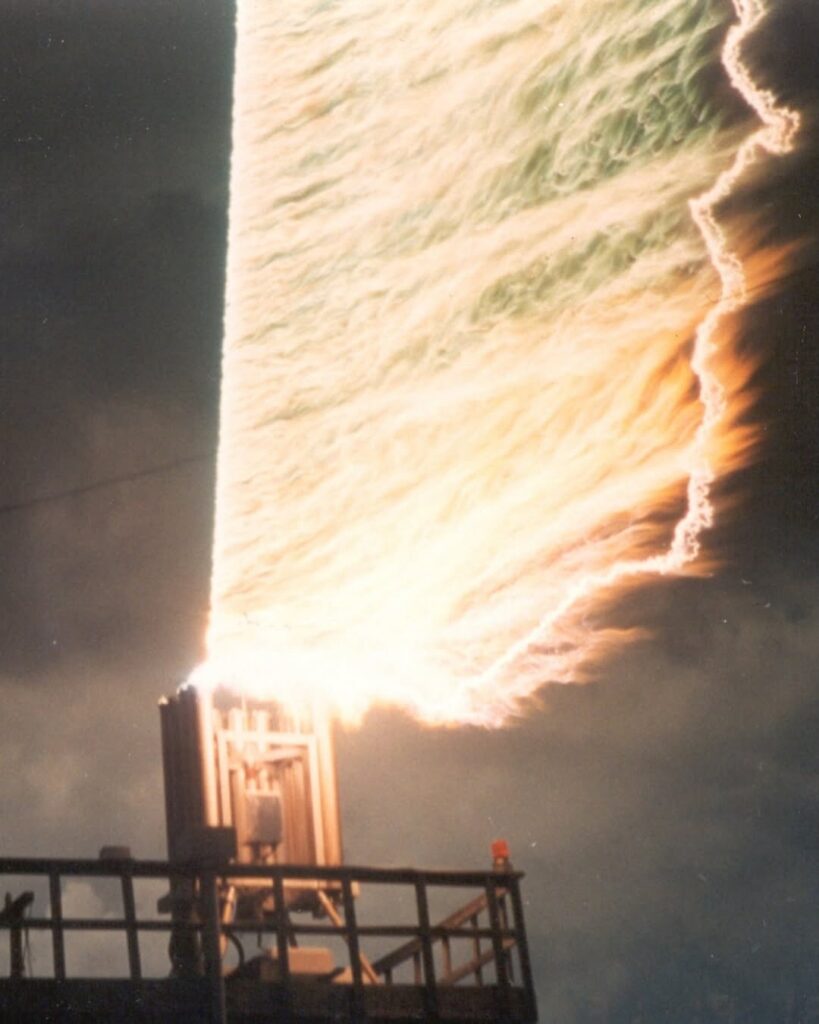
The process begins with a small rocket carrying a thin copper wire into a storm cloud. This wire creates a conductive path between the cloud and the ground. When atmospheric conditions align perfectly, a lightning bolt follows this path to a target, mimicking natural lightning in every detail. As the bolt strikes, the wire vaporizes instantly, leaving behind a plasma channel that behaves exactly like a real lightning strike.
This setup allows scientists to measure the electrical and magnetic properties of lightning with unprecedented precision, providing insights that would be impossible with natural, unpredictable strikes.
Why Florida Is the Perfect Location
Florida sees more lightning per square mile than any other state in the U.S., making it an ideal location for lightning research. The combination of frequent storms, high humidity, and warm temperatures creates the perfect environment for studying these dramatic electrical discharges in controlled conditions.
Practical Applications of Man-Made Lightning
Studying lightning in this way has far-reaching practical benefits:
- Improving lightning protection systems for buildings, aircraft, and power infrastructure.
- Developing materials and designs that can withstand electrical surges.
- Enhancing storm forecasting models to predict lightning behavior and extreme weather events.
This research not only protects human life and property but also provides essential data for engineers and scientists designing safer structures and technology.
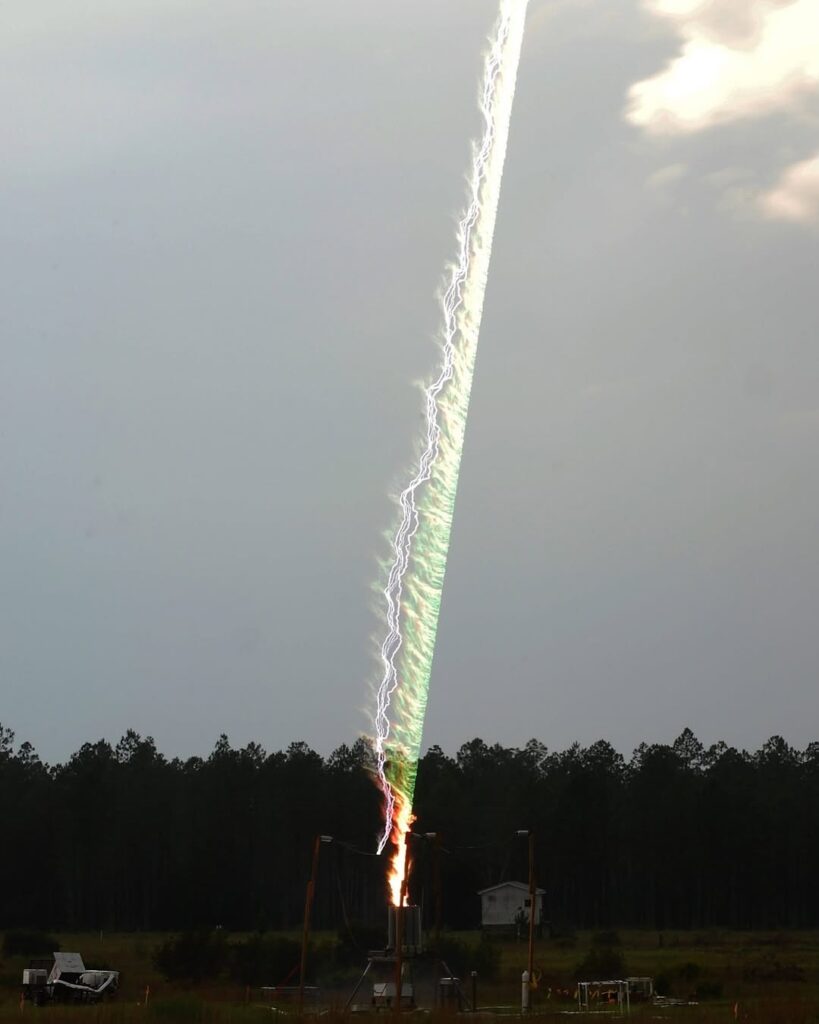
Unlocking the Secrets of Nature
Beyond practical applications, rocket-triggered lightning gives researchers a rare glimpse into atmospheric physics. It reveals how lightning forms, why it chooses certain paths, and how it interacts with air and ground. Such studies also improve our understanding of plasma physics, electric fields, and storm dynamics, bridging the gap between experimental science and natural phenomena.
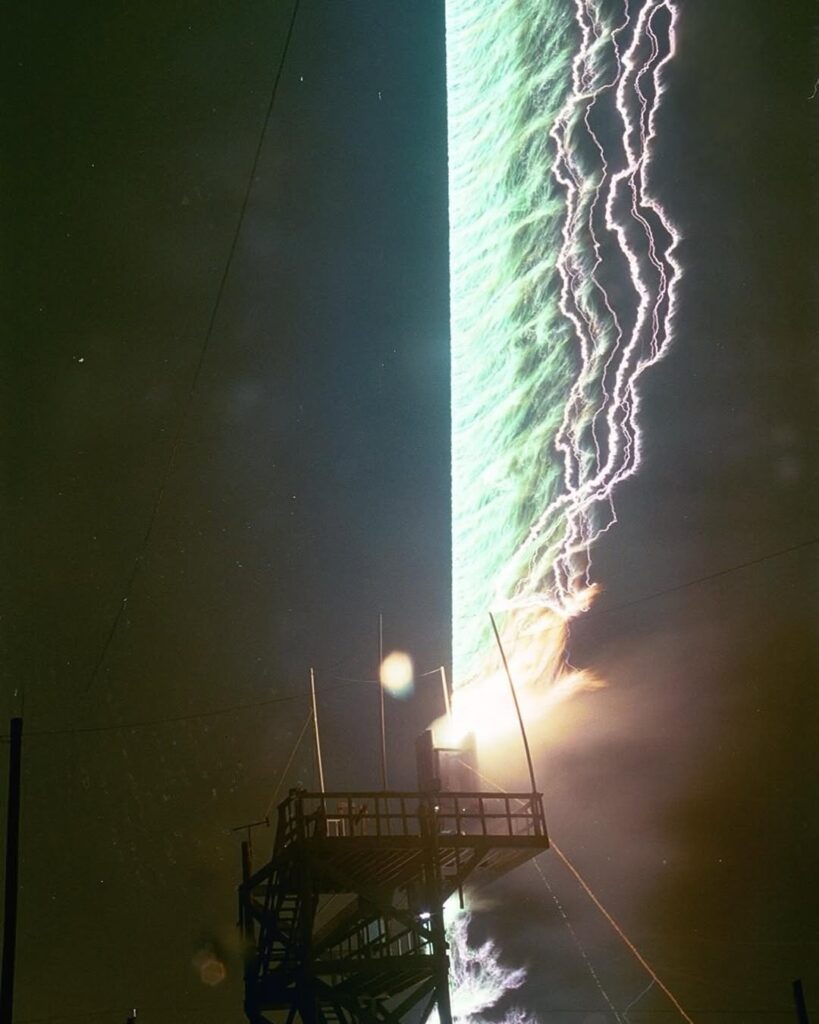
Watching a lightning bolt strike on command is a visually stunning experience, offering both scientific insight and awe-inspiring spectacle. It demonstrates how human ingenuity can safely replicate and study one of the most powerful natural forces on Earth.
Media Credit: International Center for Lightning Research and Testing (ICLRT)
Leave a Reply