
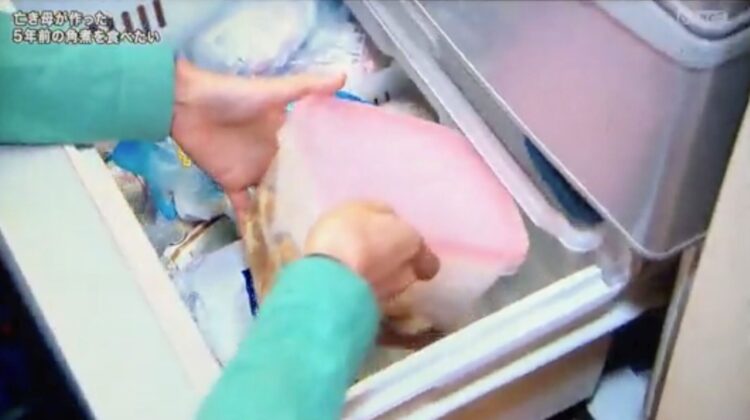
A woman kept her mother’s final homemade meal frozen for five years—preserving it as the last physical memory she had left. She finally broke down in tears when a chef restored it for safe consumption without altering the flavor, allowing her to taste her mother’s cooking one last time.
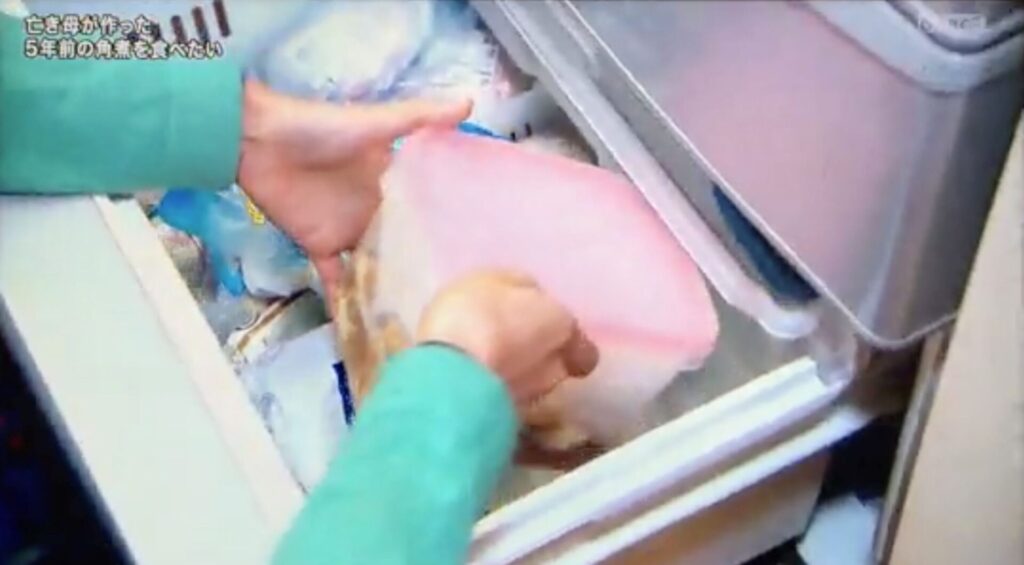
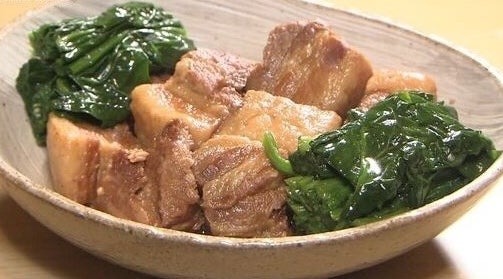
After her mother passed away, the woman and her father found themselves unable to part with the last dish she had ever prepared: a pot of pork kakuni, simmered slowly with the tenderness and warmth only a mother can give. The idea of eating it felt unbearable, as if consuming it meant losing a part of her forever. Throwing it away felt even worse. So they sealed it tightly and placed it in the freezer, where it remained untouched for five long years—a silent reminder of the love they had lost and were not yet ready to release.
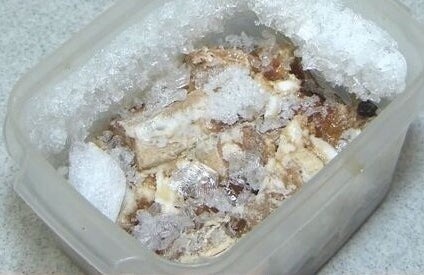
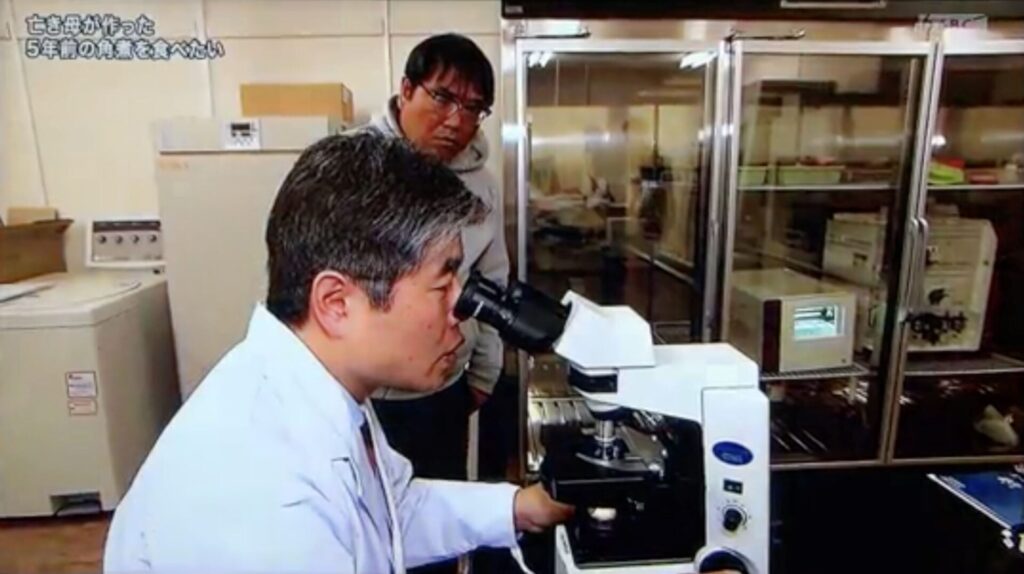
Eventually, the daughter reached a moment where she longed to experience that memory again—not just in photographs or stories, but through taste, the most emotional of all senses. She contacted a well-known Japanese TV program that granted unusual, heartfelt requests. The show brought in a microbiology specialist, who examined the frozen dish and confirmed that, despite the years, it could still be eaten if reheated past 100°C to eliminate any harmful bacteria.
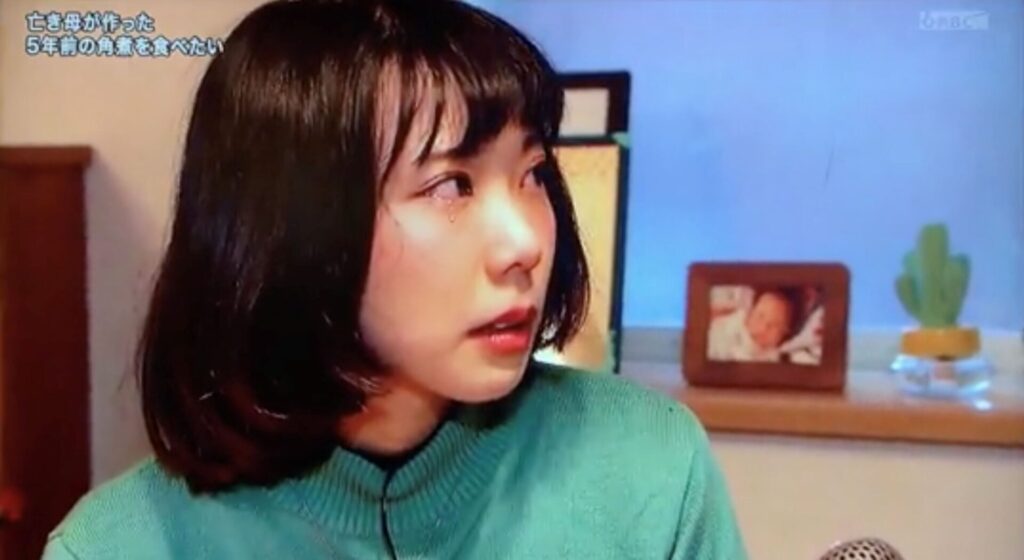

A professional chef took on the delicate task. He understood the weight of what he was handling—it wasn’t just food; it was a piece of someone’s life. With extraordinary care, he revived the stew using only a touch of ginger and green onion, enhancements that respected the original recipe without overpowering it. His goal was simple: preserve the exact taste the mother intended.
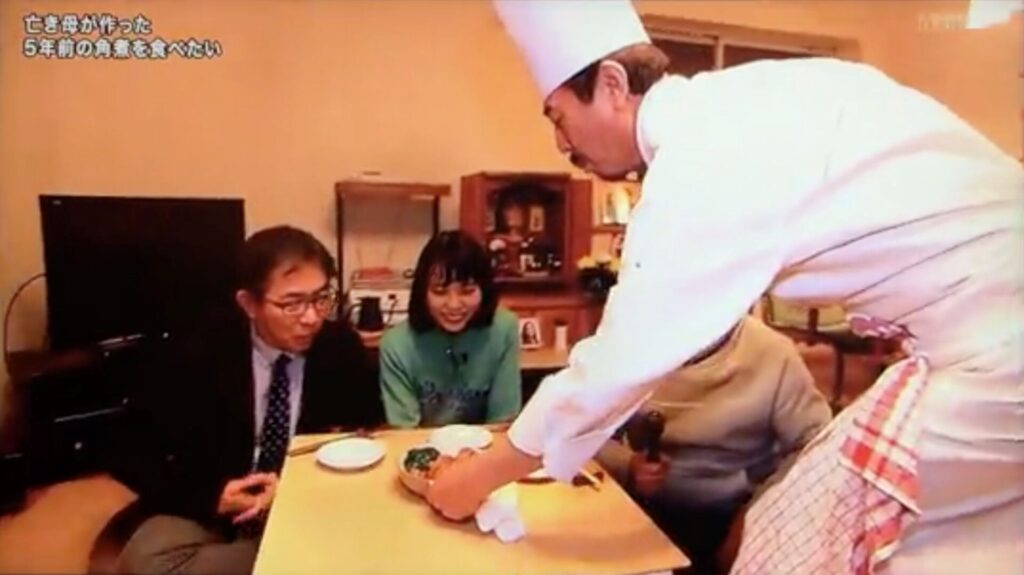

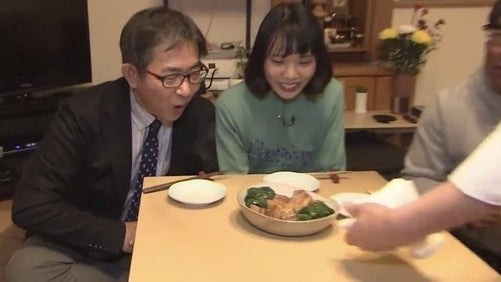
When the daughter and her father took their first bites, the reaction was immediate and overwhelming. Tears flowed as the familiar flavor returned, unchanged by time. For a brief moment, it felt as though the mother was there again—her love carried through her cooking, bridging the years and filling the room with memories. Even the chef, hardened by experience, was moved to tears by the scene.
The story resonates deeply because it captures something universal: the way food becomes a vessel for love, memory, and connection. A single taste can bring back a lifetime.
Leave a Reply