
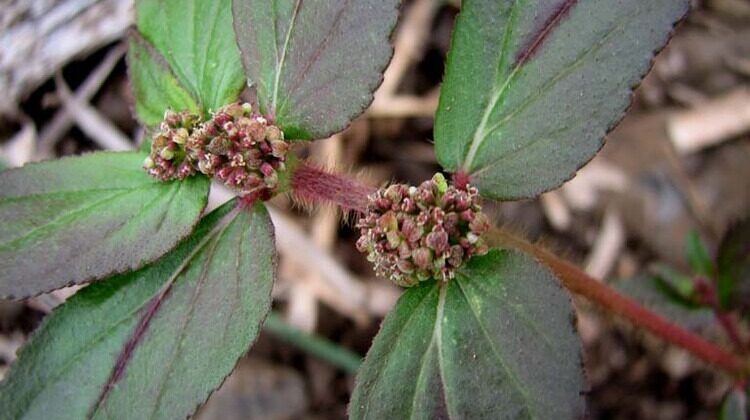
Have you ever heard of Euphorbia hirta?
This small plant, often found along roadsides and garden edges, is considered one of nature’s most impressive traditional medicinal herbs.
Because of its wide range of uses, it has earned several names—most famously “asthma plant” and “snakeweed.”
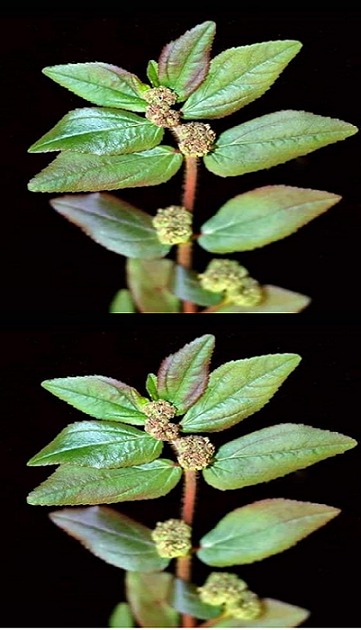
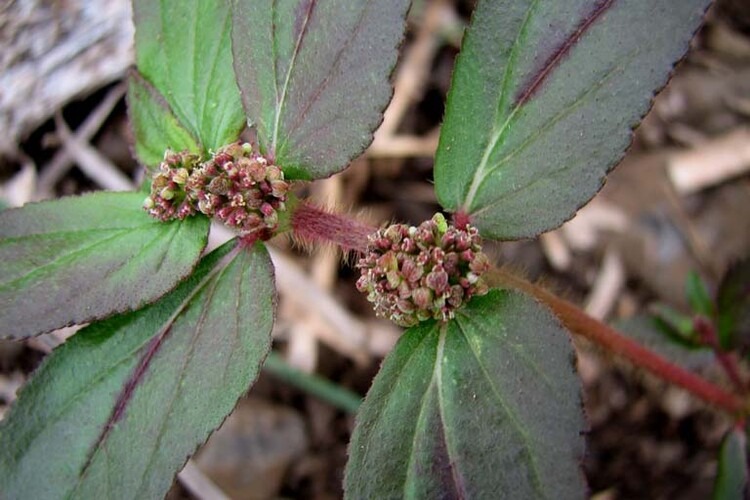
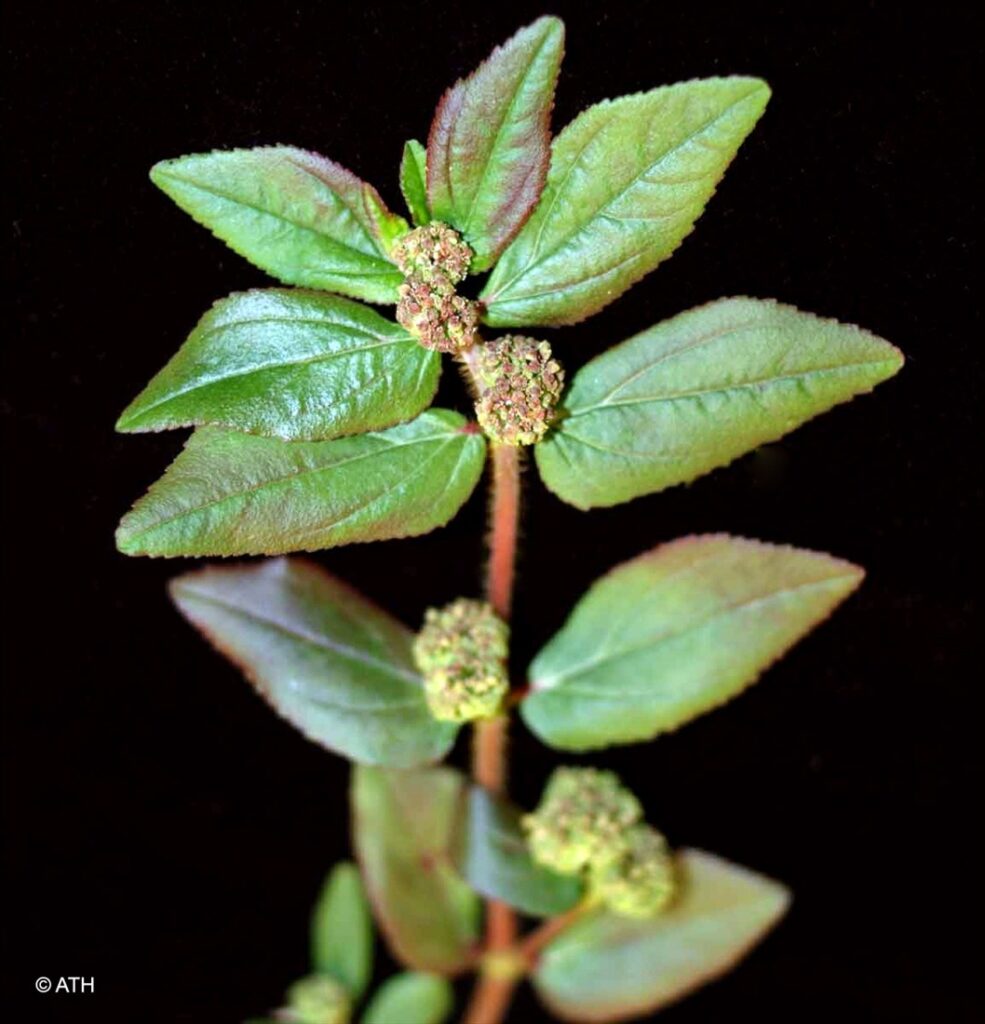
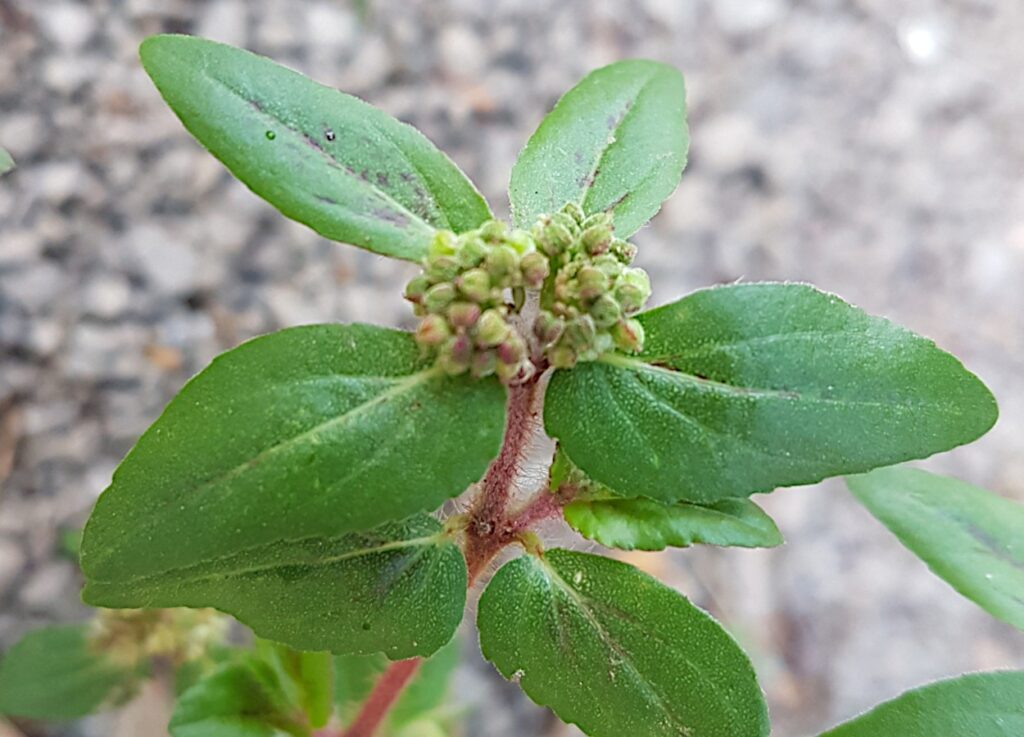
It is recognized by its tiny clustered flowers and small oval leaves.
Traditional Uses of Euphorbia Hirta
1. Respiratory Support
Across many cultures, Euphorbia hirta has been used to make teas and extracts believed to help ease:
- Cough
- Bronchitis
- Asthma-like discomfort
Traditional healers valued it for supporting easier breathing.
2. Digestive Relief
In folk medicine, the plant was commonly used to relieve:
- Stomach pain
- Diarrhea
- Intestinal worms
Its natural compounds were believed to help relax the digestive system.
3. Skin Applications
Poultices made from the plant—or its milky latex—were traditionally applied to:
- Wounds
- Warts
- Skin infections
It was valued for soothing and protecting irritated skin.
4. Anti-Inflammatory Properties
Some traditional practitioners used the plant to help reduce inflammation, thanks to its natural bioactive compounds.
What Makes Euphorbia Hirta Unique?
This herb contains several powerful natural compounds, including:
- Flavonoids
- Tannins
- Triterpenoids
These contribute to its antioxidant and potential antibacterial activity.
For centuries, cultures in Asia, Africa, and Latin America relied on Euphorbia hirta—although modern scientific research is still ongoing.
Important Safety Note
Despite its long history in folk medicine, caution is essential.
The plant’s milky latex may cause irritation or allergic reactions in some individuals.
Always:
- Consult a qualified medical professional before using any herbal remedy
- Avoid self-treatment for serious health conditions
- Use responsibly, especially if pregnant, taking medication, or having chronic illnesses
Conclusion
Euphorbia hirta remains one of the most respected herbs in traditional medicine for supporting respiratory health, digestive comfort, and skin wellness.
Its small size hides an impressive traditional legacy—but it should always be used wisely and with expert guidance.
Common Folk Uses (Traditional Knowledge Only — Not Medical Advice)
These practices are widely shared in cultural traditions, but not scientifically confirmed:
- The plant is often dried in the shade before use.
- Some communities use it for general wellness.
- For men: traditionally crushed with ginger and natural salts.
- For women: dried, boiled, and consumed for cleansing purposes.
Folk traditions claim it may help with:
- Milk production issues
- Male and female infertility
- Cough and tuberculosis
- Urinary problems
- Blocked tubes
- Gynecological issues
- High blood pressure
- Diabetes
- Chronic diseases
- Kidney problems
- Liver issues
- Eye conditions
- Stomach pain
- Intestinal worms
- Constipation
- Digestive discomfort
(Again: These are traditional beliefs, not proven treatments.)
Leave a Reply