
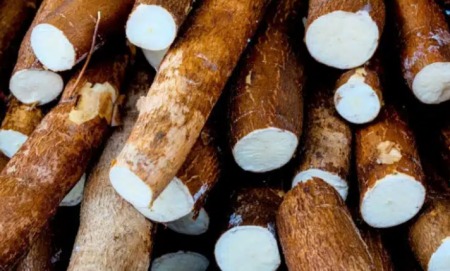
Cassava is eaten everywhere — from Brazil’s street stalls to family kitchens in Nigeria, Thailand, and Vietnam.
But few people realize the root can release cyanide if it’s not processed correctly.
Yes — the same poison you’ve seen in spy movies.
Improperly prepared cassava has caused mass poisonings, paralysis, and even a neurological disease known as konzo.
The upside? With the right preparation, the danger disappears completely.
Why cassava can be dangerous
Some cassava varieties — often called “bitter” cassava — contain cyanogenic glycosides.
When the root is:
- grated,
- chewed,
- or crushed,
enzymes activate and release cyanide.
Only proper soaking, fermentation, or cooking removes the toxin.
Why poisonings still happen
Most outbreaks occur in areas facing hardship:
- Lack of clean water or fuel for boiling
- Harvesting unready roots during famine
- Loss of traditional preparation knowledge
- Diets extremely low in protein
This is where cassava becomes a survival food, and shortcuts lead to danger.
Konzo: the hidden disease linked to cassava
In several African regions, repeated consumption of poorly processed cassava causes konzo, a neurological condition.
What happens?
- Cyanide damages nerve pathways
- People suddenly lose strength in their legs
- Walking becomes difficult
- Some effects are permanent
It mainly affects children and women during drought or war.
How to make cassava 100% safe
The solution is simple — and traditional methods already knew it.
1. Peel thoroughly
Most toxins are in the peel. Remove all of it.
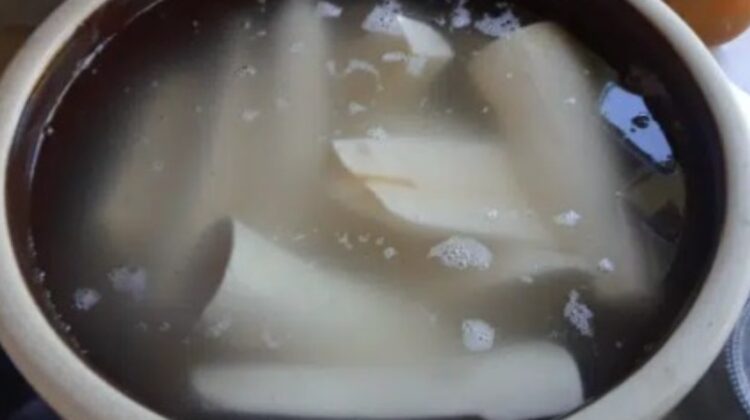
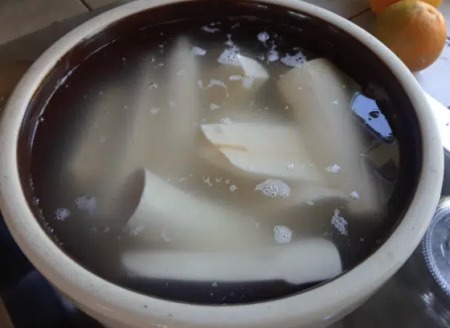
2. Soak or ferment the root
Let grated or cut cassava rest in clean water for 24–48 hours.
In Northern Brazil, this method produces farinha d’água.
3. Boil until completely soft
At least 20 minutes of boiling destroys the toxic compounds.
Never eat cassava raw.
4. Eat with protein
Eggs, fish, beans, or meat help the body neutralize tiny amounts of cyanide.
When does cassava become a threat?
Only in extreme situations:
- famine
- drought
- war
- severe poverty
In cultures where cassava traditions are preserved, poisoning is extremely rare.
The other side of cassava: nutritious, versatile, essential
Processed correctly, cassava becomes:
- rich in complex carbohydrates
- naturally gluten-free
- easy to digest
- perfect for fries, breads, cakes, and stews
It feeds hundreds of millions of people every day.
Final takeaway
Cassava itself is not the danger — ignorance is.
With peeling, soaking, fermenting, and boiling, you transform a plant capable of producing cyanide into a safe, delicious, and nutritious staple.
A perfect example of how tradition + science protect both health and food culture.
Leave a Reply