
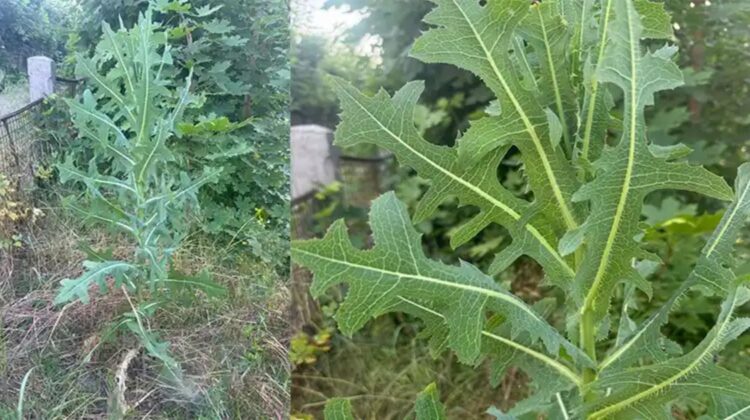
Often dismissed as a roadside weed, Lactuca serriola — commonly known as wild lettuce or prickly lettuce — has a long and complex history in traditional herbal medicine. Though it resembles cultivated lettuce, this tall, spiny plant produces a milky white sap containing bioactive compounds such as lactucopicrin and lactucin, which are associated with sedative and analgesic effects.
Historically referred to as “lettuce opium” (though it contains no actual opiates), wild lettuce has been used in Europe and North America for centuries as a calming herb for pain, restlessness, and sleep disturbances.
Below are 30 traditionally reported benefits, beginning with its most widely discussed effects.
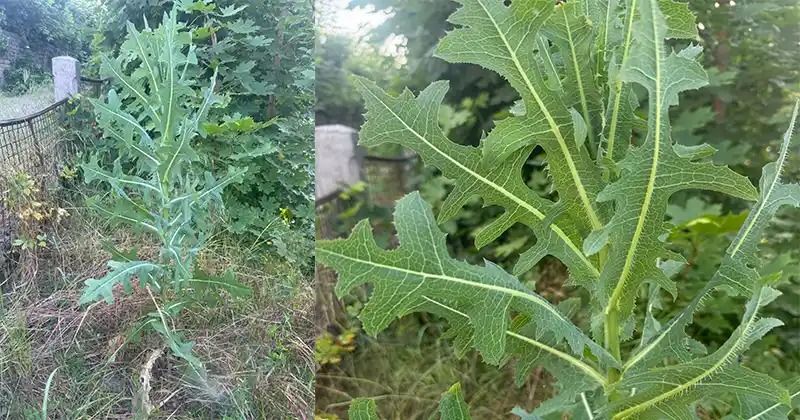
30 Traditional & Reported Benefits of Wild Lettuce
- Natural Pain Support – Contains lactucopicrin, which may help reduce mild pain perception.
- Mild Sedative Effect – Traditionally used to calm the nervous system.
- Sleep Support – May promote restful sleep in cases of mild insomnia.
- Eases Anxiety – Used historically to soothe nervous tension.
- Muscle Relaxation – May reduce muscle tightness.
- Respiratory Support – Traditionally used to ease coughs and calm airway irritation.
- Menstrual Comfort – Sometimes used for mild cramp relief.
- Anti-Inflammatory Potential – Plant compounds may support inflammatory balance.
- Mood Elevation – Mild calming effect may improve overall mood.
- Reduces Restlessness – Supports calm during agitation.
- Digestive Stimulation – Bitter compounds may stimulate digestive juices.
- Traditional Liver Support – Historically used in detox practices.
- Headache Relief – Particularly tension-related discomfort.
- Mental Clarity (Low Doses) – Some users report improved focus in small amounts.
- Night Anxiety Relief – Historically used for disturbing dreams.
- Antioxidant Compounds – Contains protective phytochemicals.
- Nerve Pain Support – Used traditionally for mild neuropathic discomfort.
- Mood Stabilization – May reduce emotional fluctuations.
- Focus Support – Calming effect may help attention regulation.
- Anti-Spasmodic Action – May reduce muscle spasms.
- Mild Low-Mood Support – Traditionally used for emotional heaviness.
- Stress Tension Relief – Loosens stress-related muscle tightness.
- Gentle on the Stomach – Bitter herbs often support digestion.
- Mild Diuretic Effect – May assist fluid balance.
- Nicotine Withdrawal Aid (Anecdotal) – Some herbalists suggest supportive calming effects.
- Traditional Aphrodisiac Use – Mentioned in historical herbal texts.
- Topical Soothing Sap – Milky latex sometimes applied for minor irritation.
- Joint Comfort Support – May ease stiffness in traditional use.
- Migraine Support – Calming effect may help during episodes.
- Circadian Rhythm Balance – Supports natural sleep-wake cycles.
How to Use Lactuca serriola at Home
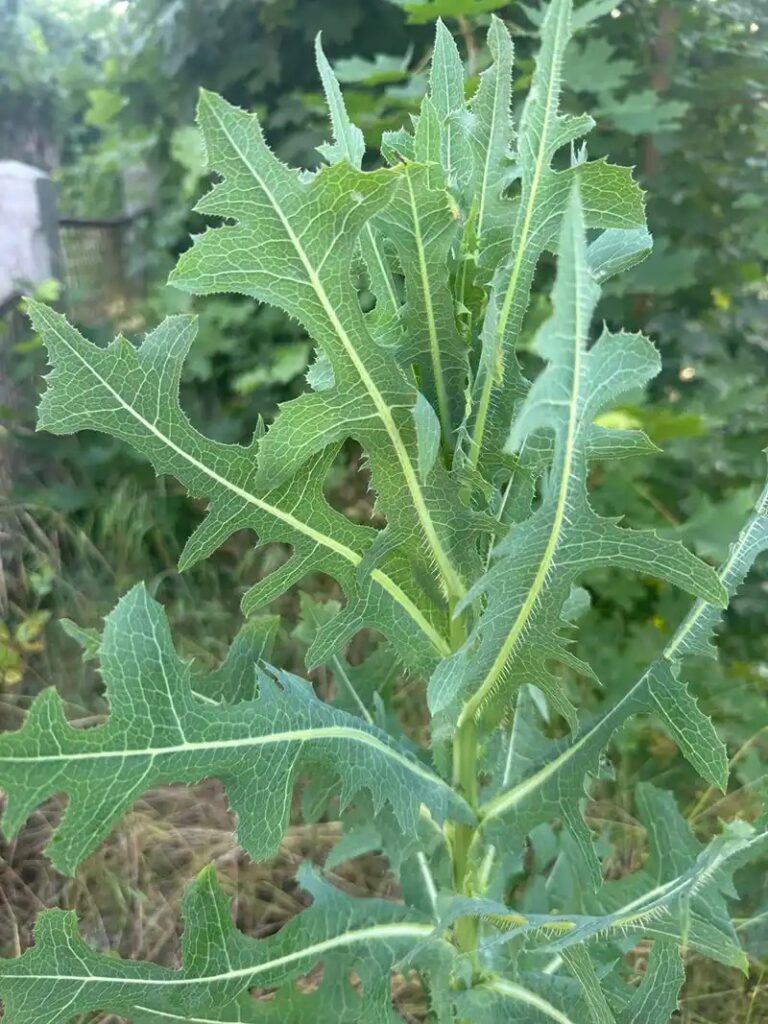
Wild lettuce is potent and very bitter. Proper identification and preparation are essential.
1. Foraged Form (Fresh or Dried)
- Harvest young leaves and stems in spring or early summer before flowering.
- Wear gloves — stems contain prickles and milky latex that may irritate skin.
- Rinse thoroughly to remove debris and insects.
- Dry leaves in a shaded, well-ventilated space until crisp.
2. Wild Lettuce Tea (Mild & Calming)
Ingredients
- 1–2 teaspoons dried wild lettuce leaves
- 1 cup hot (not boiling) water
Instructions
- Add dried leaves to a tea infuser or cup.
- Pour hot water over leaves.
- Steep 10–15 minutes.
- Strain and sip slowly.
Use once daily initially to assess tolerance.
🟡 Flavor Tip: The taste is intensely bitter. Mint, ginger, or a small amount of honey may improve palatability.
3. Wild Lettuce Tincture (Stronger Preparation)
Ingredients
- 1 cup chopped fresh leaves/stems
- 80–100 proof vodka or food-grade alcohol
Instructions
- Place plant material in a glass jar.
- Cover fully with alcohol.
- Seal and store in a dark place for 4–6 weeks.
- Shake every few days.
- Strain into a dark dropper bottle.
Suggested Use
- 5–10 drops diluted in water before bed.
- Do not exceed 15 drops within 24 hours without professional guidance.
4. Wild Lettuce Resin (Traditional Preparation)
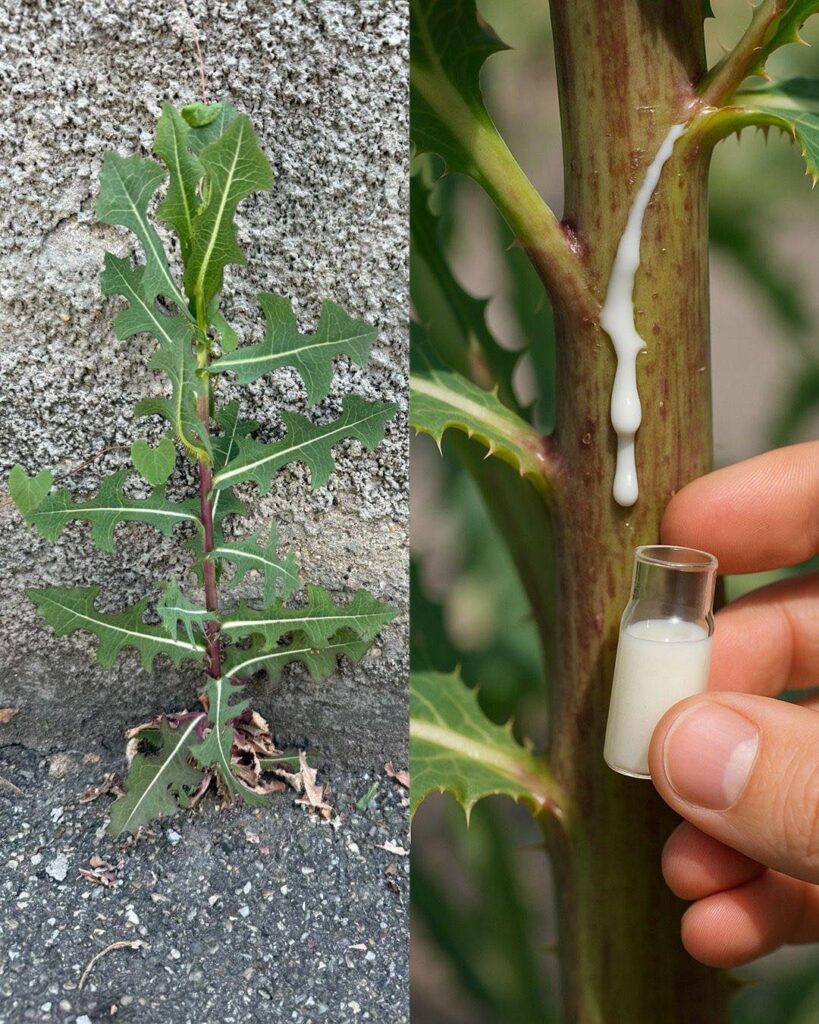
The milky sap (latex) exuded from broken stems can be collected and dried.
Instructions
- Collect the white sap from mature plants.
- Allow it to dry on a plate until it becomes dark and sticky.
- Store in a small airtight glass container.
Traditional Use
- A rice-grain-sized amount dissolved under the tongue.
This is highly concentrated and should be used with extreme caution.
Important Safety Considerations
While wild lettuce has a long history in folk medicine, scientific evidence remains limited, and potency varies widely between plants.
Possible side effects may include:
- Dizziness
- Nausea
- Sweating
- Sedation
- Allergic reactions
Large doses can cause serious toxicity.
Wild lettuce may interact with:
- Sedatives
- Anxiety medications
- Pain medications
- Blood pressure drugs
Disclaimer

This content is for educational purposes only. Lactuca serriola can be potent and potentially toxic if misused. Always consult a qualified healthcare professional before using herbal remedies — especially if pregnant, nursing, taking medication, or managing a medical condition.
Never consume wild plants without proper identification. Misidentification can be dangerous.
For centuries, wild lettuce has occupied a unique place between folklore and herbal pharmacology — a common roadside plant with uncommon properties. Its bitter sap and calming compounds reflect a deeper truth about medicinal plants: potency often grows in overlooked places. Yet respect and caution must guide its use. Nature offers powerful tools — but wisdom lies in understanding both their promise and their limits.
Leave a Reply