• Skip to main content
  • Skip to primary sidebar
  • Skip to footer
  • Home
  • About Us
  • Copyright Report
  • Submit Content
  • Terms
  • Privacy Policy
  • Legal Disclaimer

Hasan Jasim

Hasan Jasim is a place where you may get entertainment, viral videos, trending material, and breaking news. For a social generation, we are the largest community on the planet.

Platypuses Return to Australia’s Oldest National Park After 50-Year Absence

by Hasan Jasim Editorial Team Leave a Comment

ShareTweet

In a significant conservation effort, platypuses have been reintroduced to Kosciuszko National Park, marking their return after an absence of 50 years. These semi-aquatic mammals, unique to Australia, play a crucial role in the country’s ecosystem by controlling insect and small animal populations. Declared extinct in the park in 1975, platypuses are now making a comeback thanks to a successful breeding program.

The platypus, recognized for its bill, webbed feet, and venomous spurs, is an extraordinary creature that spends most of its time in the water, primarily during nighttime. Due to its elusive nature and specific habitat requirements, encounters with platypuses in the wild are rare for most Australians.
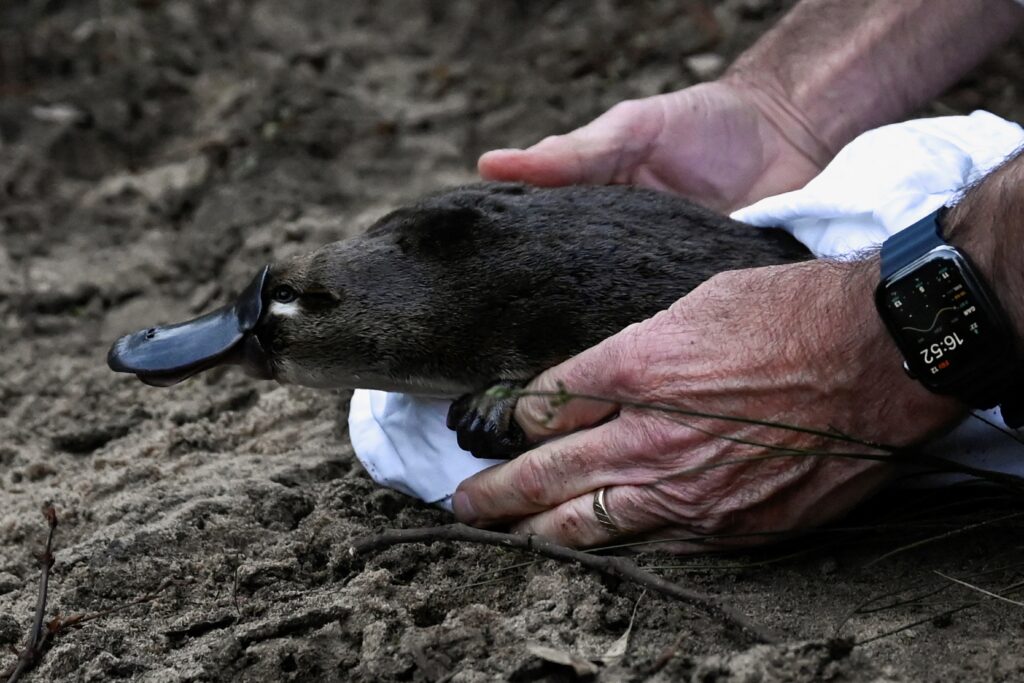
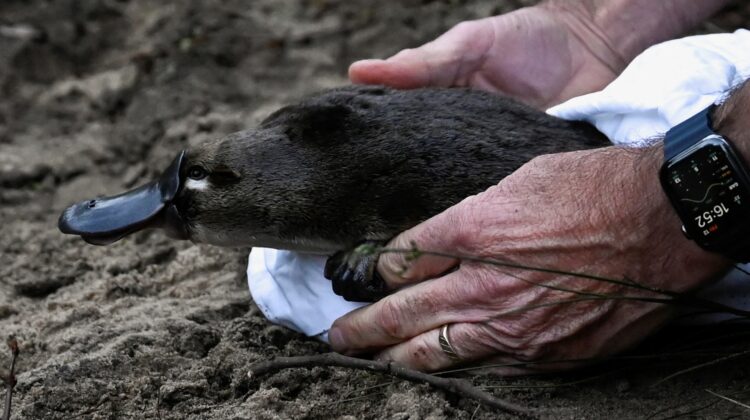
A platypus is released by CEO of Taronga Zoo Cameron Kerr and Scientists back into Sydney’s Royal National Park

This reintroduction project is a collaborative effort involving the University of New South Wales (UNSW), Taronga Conservation Society Australia, WWF-Australia, and the NSW National Parks and Wildlife Service. Four female platypuses were released into the Royal National Park, established in 1879 as the world’s second oldest national park.

Since the 1970s, no confirmed sightings of platypuses have been reported in the park, located approximately 35 kilometers south of Sydney. The timing of this reintroduction is critical as platypuses face increasing threats from habitat destruction, river degradation, feral predators, and extreme weather events such as droughts and bushfires. Current population estimates vary widely, ranging from 30,000 to 300,000 individuals.
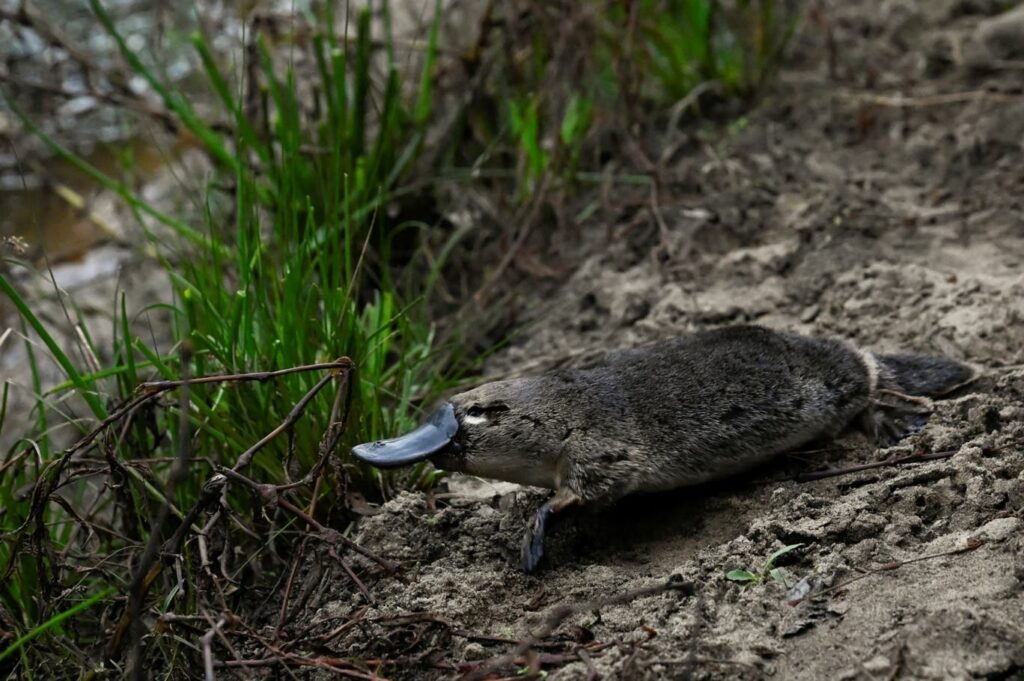
A platypus moves toward the Hacking River after being released by Scientists back into Sydney’s Royal National Park

Gilad Bino, a researcher from UNSW’s Centre for Ecosystem Science, expressed excitement about the platypuses returning to the park, emphasizing the importance of establishing a thriving population and allowing Sydneysiders to appreciate these remarkable animals.

The platypuses selected for relocation were collected from various locations across southeastern New South Wales and underwent various tests to ensure their health. Over the next two years, each platypus will be closely monitored to gather valuable data on their behavior and response to potential threats like droughts, bushfires, and floods. This information will aid researchers in developing intervention and relocation strategies to safeguard the species.
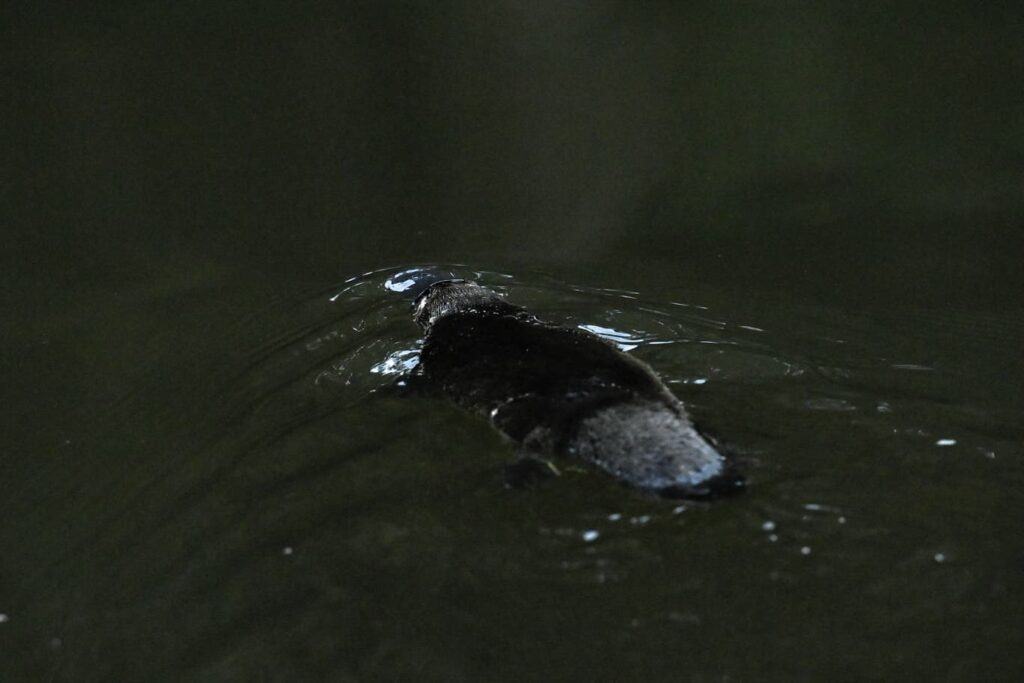
A platypus swims in the Hacking River

The reintroduction of platypuses into Kosciuszko National Park represents a significant milestone in conservation efforts. It is a testament to the dedication and collaboration of organizations striving to protect and restore Australia’s unique biodiversity. With their return, these iconic creatures bring hope for a brighter future, where wildlife can thrive alongside humans in harmony.

Filed Under: Trends Worldwide Tagged With: 50-year, absence, after, australia’s, national, oldest, park,, platypuses, Return, trends, worldwide

Reader Interactions

Leave a Reply Cancel reply

Your email address will not be published. Required fields are marked *

Primary Sidebar

More to See

People creeped out after finding out about creatures which live and have sex on your face

By Hasan Jasim Editorial Team

Large ‘cryptic’ creature found lurking under bridge in Ecuador. It’s a new species

By Hasan Jasim Editorial Team

Japanese Firm Designs Portable Fish Tanks For Seafood Lovers To Take Dinner Home Alive

By Hasan Jasim Editorial Team

Beautiful Blue Lakes Appearing In East Antarctica Hint At A Terrible Future

By Hasan Jasim Editorial Team

Blind Elephant Takes Her First Steps to Freedom After 46 Years of Abuse

By Hasan Jasim Editorial Team

Inside a Pub Built in a 6,000-Year-Old Baobab Tree – Before It All Ended Sadly

By Hasan Jasim Editorial Team

His Friend Took His Dog — Two Years Later, Fate Brought Them Back Together

By Hasan Jasim Editorial Team

Footer

ABOUT HASANJASIM.ONLINE

Hasanjasim.online is a digital platform dedicated to publishing well-researched articles about the animal kingdom, nature, and the environment. Our editorial team works to source stories from credible outlets, scientific research, and verified reports, aiming to inform as much as we entertain. From wildlife conservation and animal behavior to natural wonders and environmental science, we cover the topics that help readers better understand and appreciate the natural world. Whether you're a lifelong nature lover or simply curious about the planet we share, Hasanjasim.online aims to be a trustworthy destination for stories worth reading — and worth citing.

Recent

  • Euphorbia Hirta (“Asthma-Plant”): What Traditional Use and Real Research Actually Show
  • A Mystery Animal Has Been Randomly Attacking People in New Hampshire — Here’s What We Know
  • A Woman Was Filmed Sharing Her Ice Cream With Her Dog — Here’s What Vets Actually Say About It
  • Dolphin Calf Incident in Ceuta Sparks Outrage After Disturbing Beach Footage Emerges
  • Lactuca Serriola Root: Traditional Uses of Prickly Lettuce (Wild Lettuce) Root
  • The Puppy a Firefighter Couldn’t Leave Behind — and the Story Didn’t End There
  • A Mother Dog Dove Into Floodwater Again and Again — Until All 7 of Her Puppies Were Safe

Search