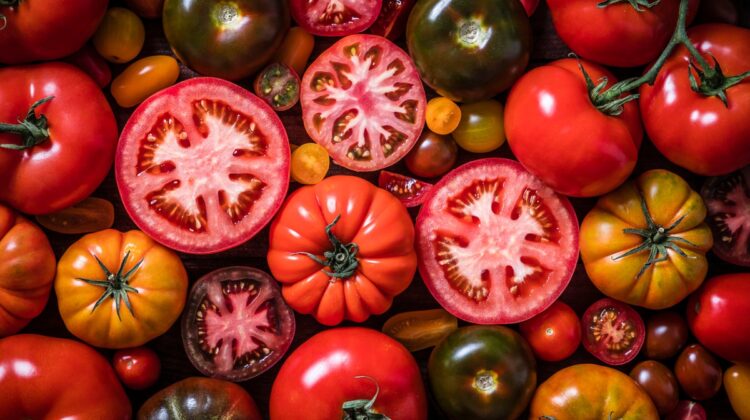
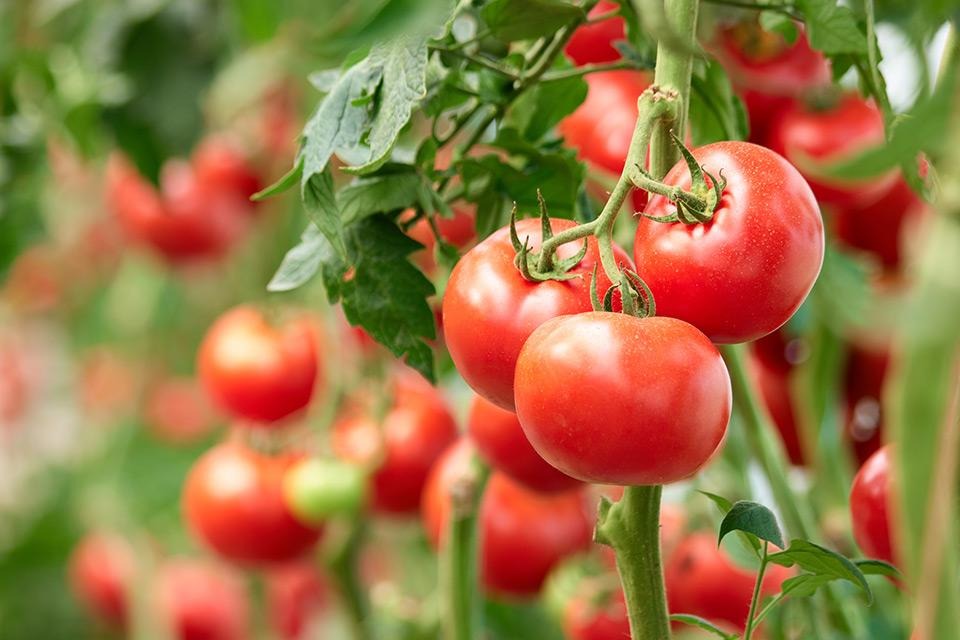
Bright, unassuming, and present in nearly every cuisine on Earth, the tomato rarely attracts medical headlines. Yet behind its vivid red skin lies a dense concentration of antioxidants, vitamins, and plant compounds that researchers increasingly associate with healthy aging.
For older adults in particular, doctors point to tomatoes as more than just a culinary staple. They may serve as a daily nutritional ally — supporting the heart, brain, immune system, and beyond.
Here’s what medical experts want seniors to understand about this powerful fruit.
1. Tomatoes and Heart Health: A Natural Cardiovascular Ally
Cardiologists often highlight tomatoes for their high concentration of lycopene, a potent antioxidant responsible for their red color. Lycopene has been studied for its potential to reduce inflammation and lower LDL (“bad”) cholesterol — a major risk factor for heart disease.
Tomatoes are also rich in potassium, a mineral essential for blood pressure regulation. As individuals age, maintaining stable blood pressure becomes increasingly critical to reducing the risk of heart attacks and strokes. Potassium helps counterbalance excess sodium, supporting vascular function and circulatory health.
Some observational studies suggest that diets high in lycopene-rich foods are associated with lower rates of cardiovascular events — making tomatoes a simple addition to a heart-conscious diet.
2. Slowing Cellular Aging Through Antioxidant Protection
Aging is influenced in part by oxidative stress — the gradual damage caused by unstable molecules known as free radicals. Over time, this damage affects cells, tissues, and organs.
Tomatoes provide lycopene and vitamin C, both of which help neutralize oxidative stress. While no single food can halt the aging process, doctors emphasize that antioxidant-rich diets may help protect skin elasticity, blood vessel integrity, and cellular function over the long term.
In this way, tomatoes contribute not to stopping time — but to aging more resiliently.
3. Supporting Vision as the Years Advance
Conditions such as macular degeneration and cataracts become more common later in life. Tomatoes contain beta-carotene, lutein, and vitamin A, nutrients known to support retinal health and protect against light-induced oxidative damage.
These compounds act as internal shields, helping defend delicate eye structures from environmental stressors. Regular consumption may contribute to preserving clearer vision and slowing age-related decline.
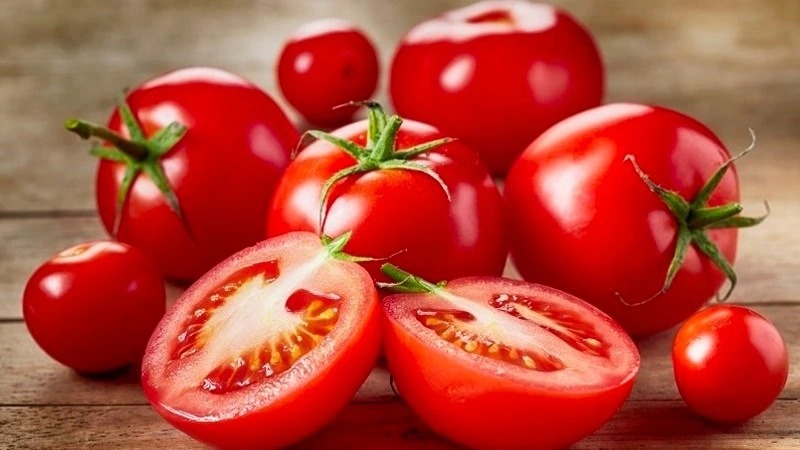
4. Brain Health and Cognitive Function
Neurologists are increasingly exploring how dietary patterns influence memory and cognitive aging. Chronic inflammation in brain tissue has been linked to neurodegenerative conditions and memory impairment.
The antioxidants in tomatoes may help reduce inflammatory stress within the brain. While tomatoes alone cannot prevent dementia, research consistently shows that diets rich in fruits and vegetables — including tomatoes — correlate with improved cognitive performance in older adults.
Food, it seems, plays a quiet but measurable role in mental clarity.
5. Immune Strength in Later Life
As the immune system gradually weakens with age, nutritional support becomes more important. Tomatoes are a strong source of vitamin C, a nutrient central to immune defense and tissue repair.
Adequate vitamin C intake helps the body respond more effectively to infections and may shorten recovery time from minor illnesses. For seniors, maintaining immune resilience can significantly affect overall quality of life.
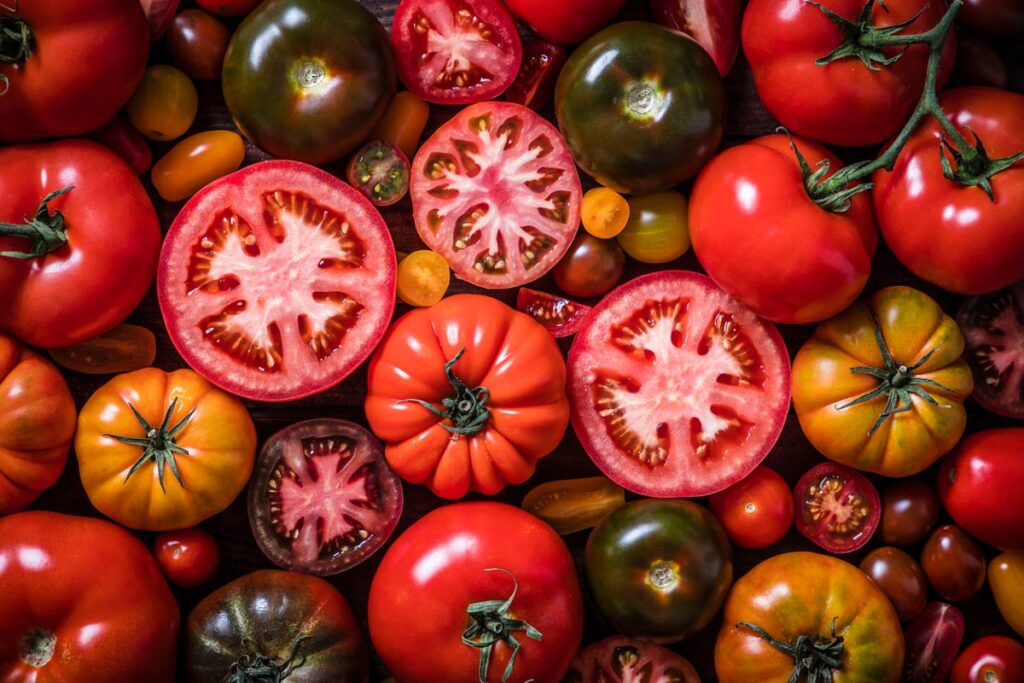
6. Why Cooked Tomatoes May Be Even More Powerful
An intriguing scientific detail: lycopene becomes more bioavailable — easier for the body to absorb — when tomatoes are cooked.
Tomato sauces, soups, and stewed preparations may provide more accessible lycopene than raw slices. Pairing cooked tomatoes with healthy fats such as olive oil further enhances absorption, as lycopene is fat-soluble.
Sometimes, traditional culinary wisdom aligns seamlessly with modern nutritional science.
Important Considerations
Although tomatoes offer numerous benefits, they may not be suitable for everyone.
Individuals with:
- Acid reflux or GERD
- Sensitive stomach conditions
- Certain kidney disorders requiring potassium restriction
should consult a healthcare professional before significantly increasing intake.
As with any food, moderation and dietary balance are essential. Tomatoes work best as part of a varied diet that includes fruits, vegetables, whole grains, and lean proteins.
The Bottom Line: A Small Fruit with Long-Term Impact
Doctors agree that incorporating tomatoes into daily meals can support cardiovascular health, immune resilience, vision protection, and cognitive wellness — particularly in later decades of life.
Affordable, versatile, and nutritionally dense, the tomato represents one of the simplest tools available for supporting healthy aging.
It is not a miracle cure. But as part of a consistent, balanced diet, this vibrant red fruit may quietly contribute to longevity — one meal at a time.
In the science of aging well, no single ingredient holds all the answers. Yet tomatoes stand out as a rare convergence of accessibility and biological benefit — a food both humble and powerful. Backed by antioxidant research and decades of nutritional study, they offer a reminder that preventive health often begins not in the pharmacy, but in the kitchen. For those seeking sustainable ways to protect the heart, brain, and immune system, the path may be as simple as adding more red to the plate.
Leave a Reply