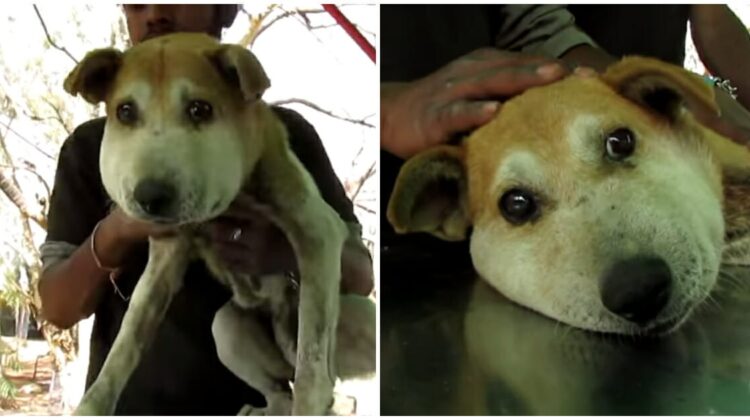
It’s amazing how a little love can completely turn a dog’s life around. When one stray dog was found on the streets, she was in terrible condition and would’ve soon died on her own.
Luckily, rescuers took her in and gave her the help she needed — and today she is completely unrecognizable.
Animal Aid Unlimited is one of the leading street animal rescue centers in India. They help rescue thousands of street dogs every year.
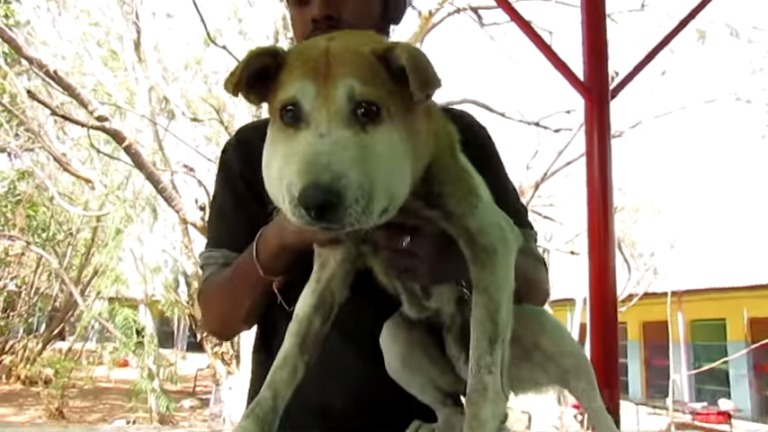
But they had a special challenge when they came across one female stray, who had a severely swollen head.
The poor suffering dog was wondering around, clearly dizzy and disoriented. She didn’t seem to trust people.
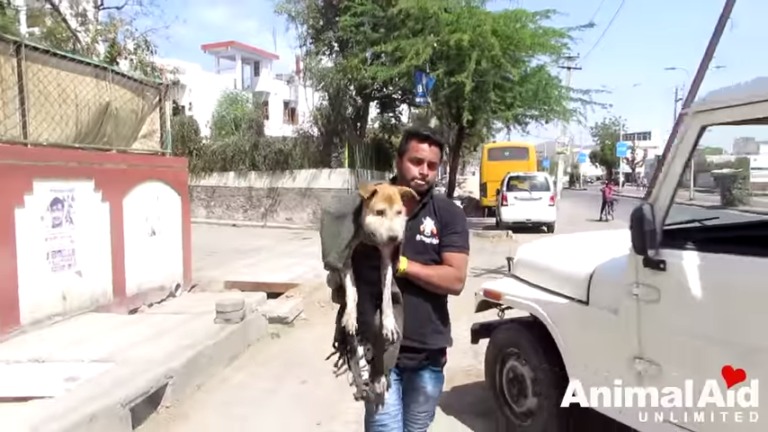
But Animal Aid Unlimited knew they had to get her in for emergency medical treatments as soon as possible. They lured her in with treats, then grabbed the dog and took her in.
Vets sedated the dog, and inspected her wounds. They found an animal in grim condition. The swelling was caused by a wound in her neck, which was filled with maggots.
With the dog out cold, they cleaned up her wound and hoped the dog would feel better when she woke up.
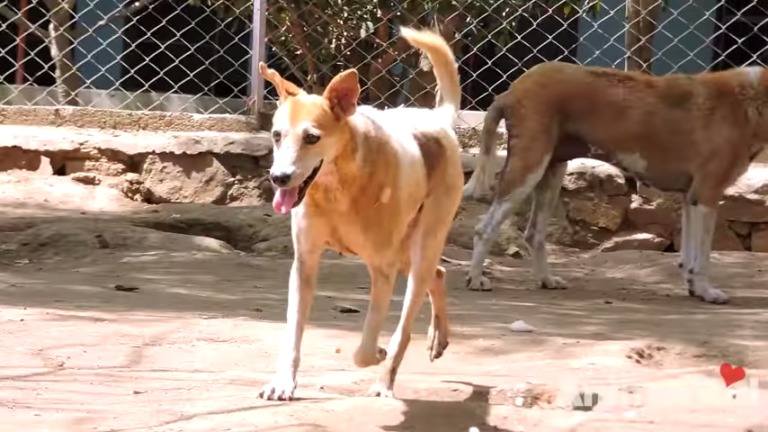
Amazingly, the dog’s life quickly turned around. After three days, the swelling in her face went down… and that was just the beginning of an amazing recovery.
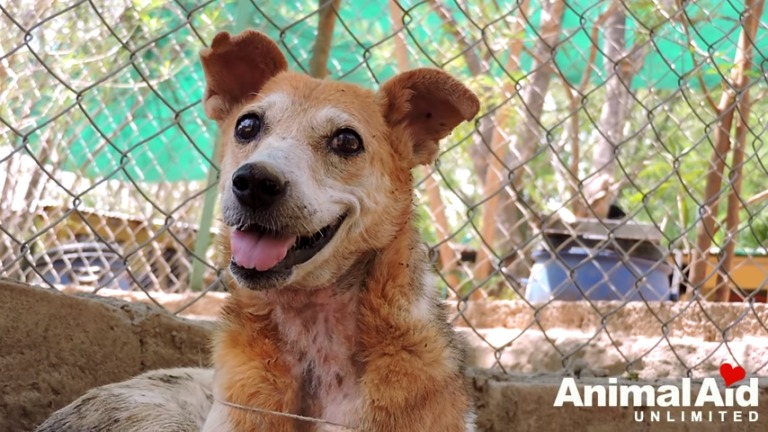
“This elderly shy girl was stumbling and dizzy with pain when we rescued her,” Animal Aid Unlimited wrote. “After 5 weeks of treatment, everything changed.”
The dog, now named Pauline, looks completely different: not only is the swelling gone, but she’s a happy, healthy-looking dog running around.
Watch Pauline’s incredible rescue and transformation below:
Animal rescue organizations play a crucial role in protecting vulnerable animals around the world. Veterinary treatment, rehabilitation programs, and responsible pet adoption initiatives help improve animal welfare while reducing the number of suffering stray animals. Supporting animal rescue groups, volunteering, or adopting pets from shelters can make a meaningful difference in giving abandoned animals a safe and loving future.
How incredible! This dog was suffering badly when she was found and now she looks like a completely different dog!
It goes to show the important work rescues do, and the difference they can make in a dog’s life. Share this story!
Leave a Reply