
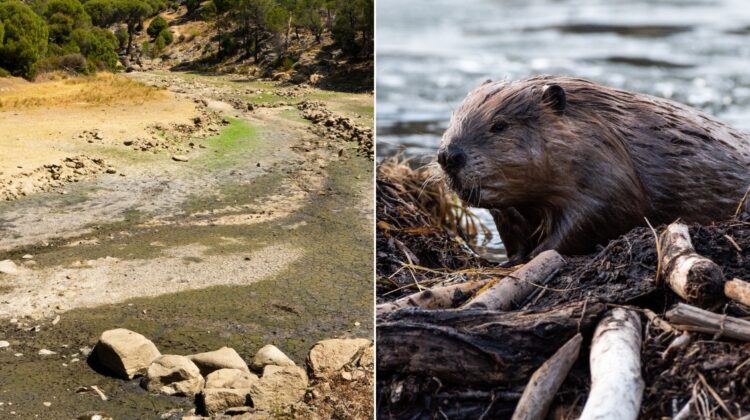
Beaver restoration projects in Utah’s desert have delivered incredible results, proving that these “ecosystem engineers” can revive even the driest river systems. Six years after beavers were introduced to restore the Price River, the transformation is undeniable—boosting biodiversity, improving water quality, and even revitalizing local economies.
Why the Colorado River Basin Is in Crisis
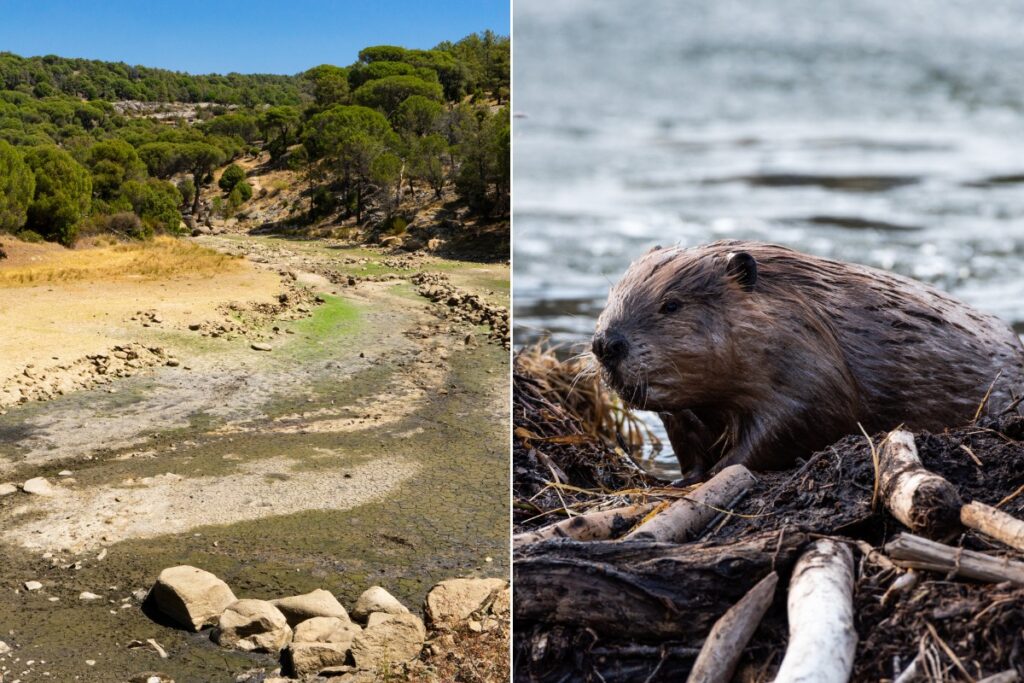
Rivers in the Colorado River Basin, including those in Utah and Colorado, face severe challenges. Prolonged drought, climate change impacts, agricultural overuse, and pollution have left many waterways on the verge of collapse. As water levels drop, fish populations decline, plant life disappears, and wildfire risks skyrocket.
The Beaver Translocation Project
In 2019, a Utah State University research team led by master’s student Emma Doden launched a “beaver translocation” program. Their goal: relocate displaced beavers to struggling waterways like the Price River, allowing their natural dam-building to restore the ecosystem.
Why Beavers Work So Well:
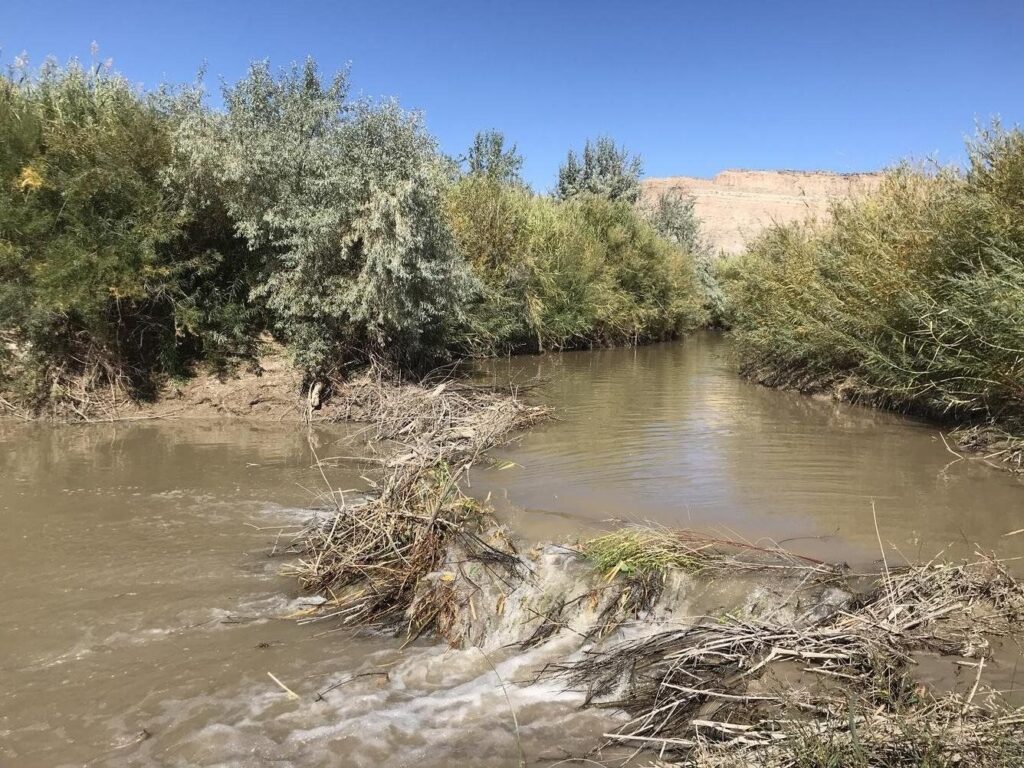
- Beaver dams slow water flow, creating ponds that serve as drought refuges.
- They improve water quality by trapping sediments.
- Their wetlands boost fish populations and biodiversity.
- They help reduce wildfire severity by maintaining wetter landscapes.
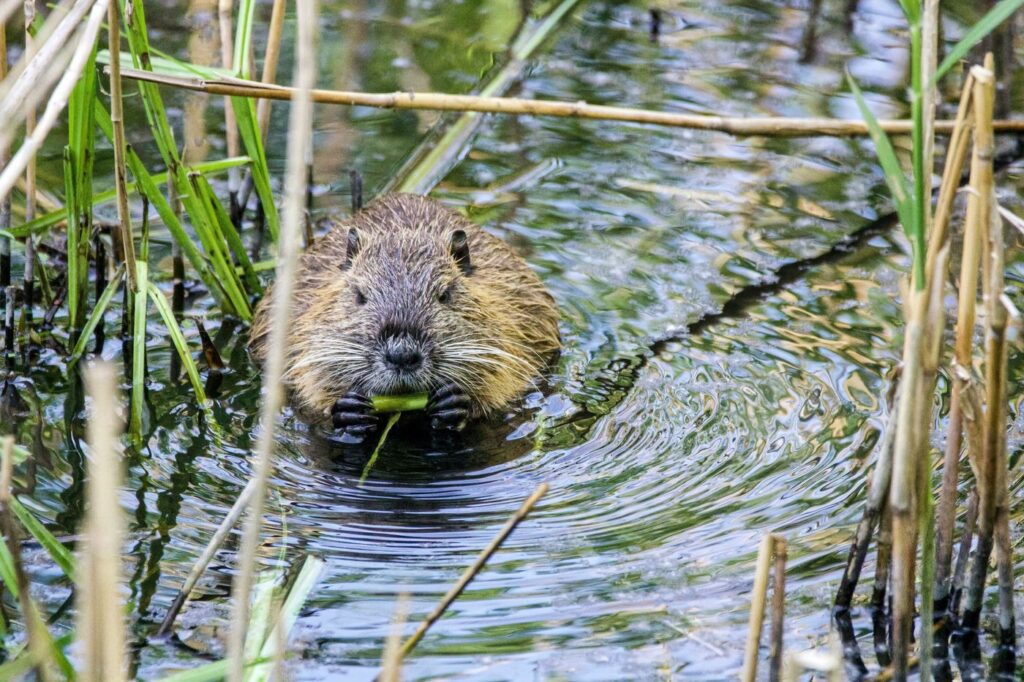
It’s no wonder beavers are considered a keystone species—their impact on the environment is far greater than their size suggests.
The Results – A River Reborn
By 2025, the Price River’s water levels had reached their healthiest state in years. Fish are thriving, and the river has become a hub for tourism and recreation in downtown Helper, Utah. Locals and visitors now enjoy kayaking, tubing, and fishing—activities that were nearly impossible a decade ago.
The Salt Lake Tribune praised the beaver project for helping “save our Utah town.” Alongside the beavers’ efforts, federal water restoration programs removed debris, dismantled old dams, and implemented sustainable agriculture practices to prevent overgrazing.
Expanding Beaver Restoration Across Utah
Inspired by this success, scientists are now introducing beavers and even artificial beaver dams to other drought-stricken rivers. The San Rafael River is a prime candidate—after a natural flood drew beavers back, riparian habitat increased by 230%, creating the most diverse water flow patterns in the region.
From Near Extinction to Ecological Heroes
Beavers once faced near extinction during the fur trade and were later hunted as pests. Now, thanks to conservation programs and growing public awareness, their populations are rebounding—and their role in climate resilience is finally being recognized.
Bottom line: Beaver restoration is more than an environmental success story—it’s a cost-effective, nature-based solution for drought, water management, and wildfire prevention.
Leave a Reply