
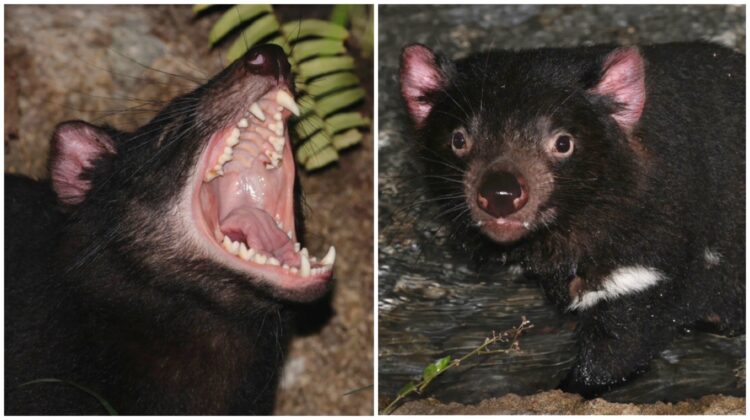
The Tasmanian devil is one of Australia’s most fascinating creatures. Despite their small size, these iconic marsupials are famous for having the strongest bite relative to body size of any mammal. Found only in Tasmania, these nocturnal scavengers play a crucial role in maintaining ecological balance — yet today, their very survival is at risk.
Tasmanian Devils: Small but Mighty Predators
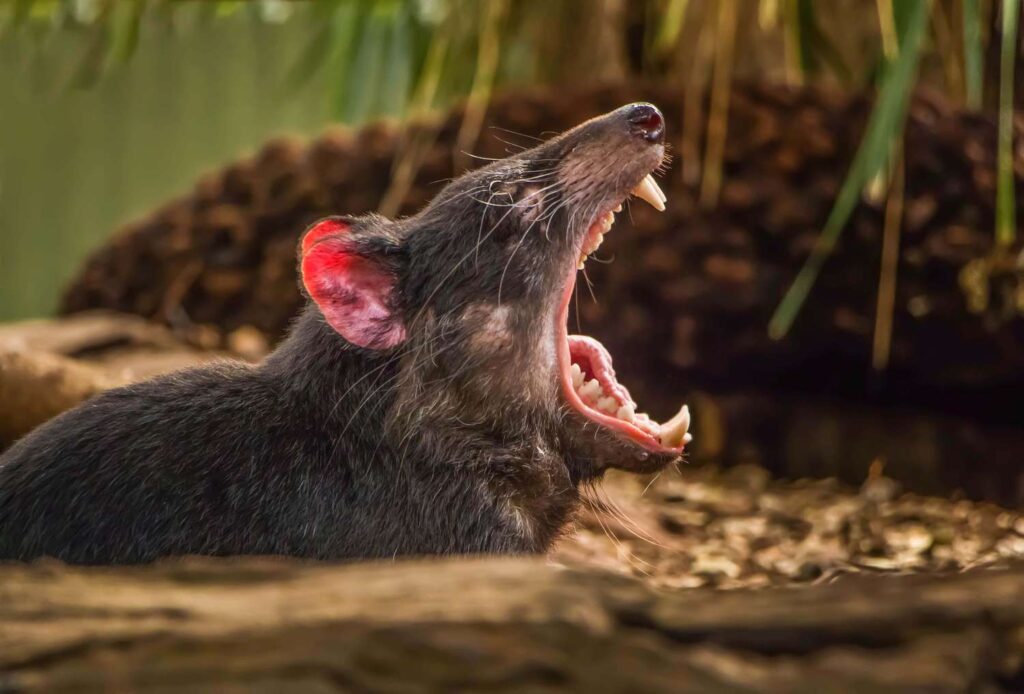
Tasmanian devils are the largest living carnivorous marsupials, weighing between 6–8 kg (13–18 lbs). Their most impressive feature is their jaw: they can open their mouths 80 degrees wide and bite through bone with ease. This adaptation allows them to consume almost every part of a carcass — bones, fur, and hooves — making them highly efficient scavengers.
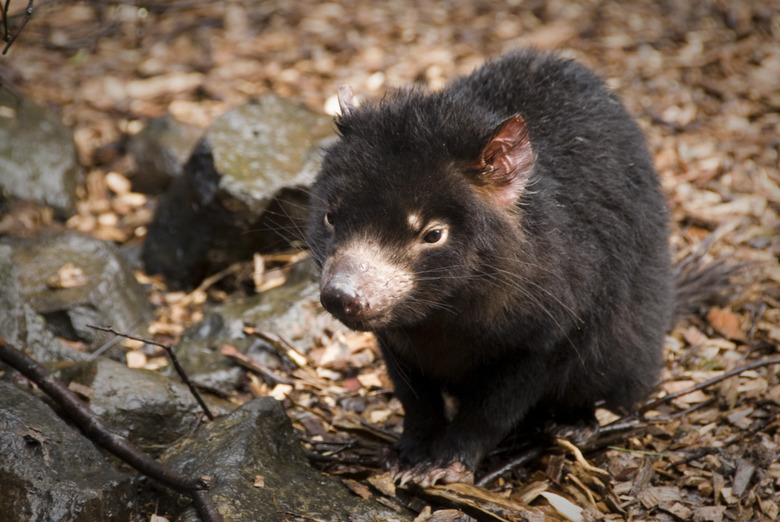
Their powerful sense of smell and keen hunting skills allow them to locate carrion and small prey like birds, lizards, and insects. In times of abundance, devils can consume up to 40% of their body weight in a single night.
Nature’s Cleanup Crew
While their eerie screeches and growls once earned them a demonic reputation, Tasmanian devils are essential to Tasmania’s ecosystem. As scavengers, they help prevent the spread of disease by cleaning up dead animals, keeping the environment healthy for other wildlife.
Devil Facial Tumour Disease: A Deadly Threat
Since the 1990s, Tasmanian devils have faced devastation from Devil Facial Tumour Disease (DFTD) — a rare, contagious cancer spread through biting. This disease has caused wild populations to decline by up to 80% in some regions, leading to their endangered status.
DFTD causes large tumors around the face and mouth, making it difficult for affected animals to eat. Without intervention, the disease spreads rapidly, threatening the species’ future.
Conservation Efforts and Hope for Recovery
To save the Tasmanian devil, scientists and conservationists have implemented:
- Captive Breeding Programs: Establishing healthy, disease-free populations in protected facilities.
- Insurance Populations: Relocating devils to mainland Australia and isolated islands to ensure genetic diversity.
- Genetic Research: Studying devil immunity to develop vaccines and treatments for DFTD.
- Habitat Protection: Expanding safe, natural environments to allow reintroductions.
These measures have already seen early successes, offering hope for the species’ recovery.
Fun Fact: Strongest Bite in the Animal Kingdom
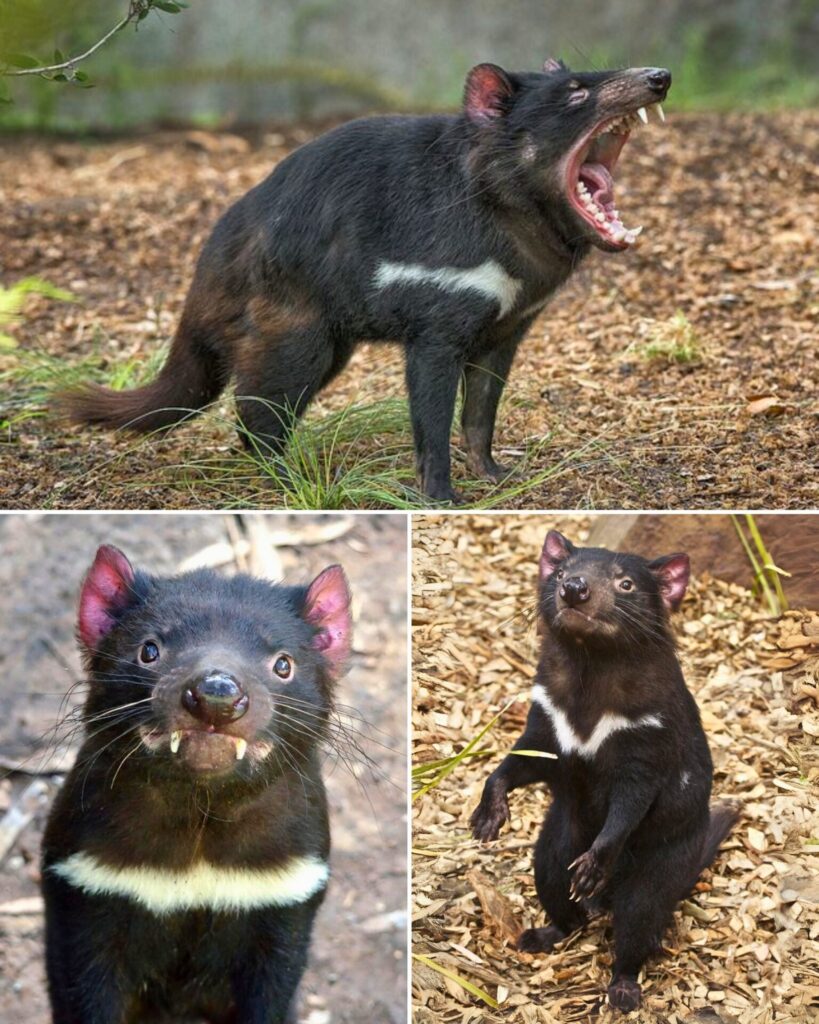
Relative to body size, a Tasmanian devil’s bite pressure is stronger than that of lions and tigers. This adaptation makes them one of nature’s most effective scavengers, perfectly suited to their role in Tasmania’s ecosystem.
Why Protecting Tasmanian Devils Matters
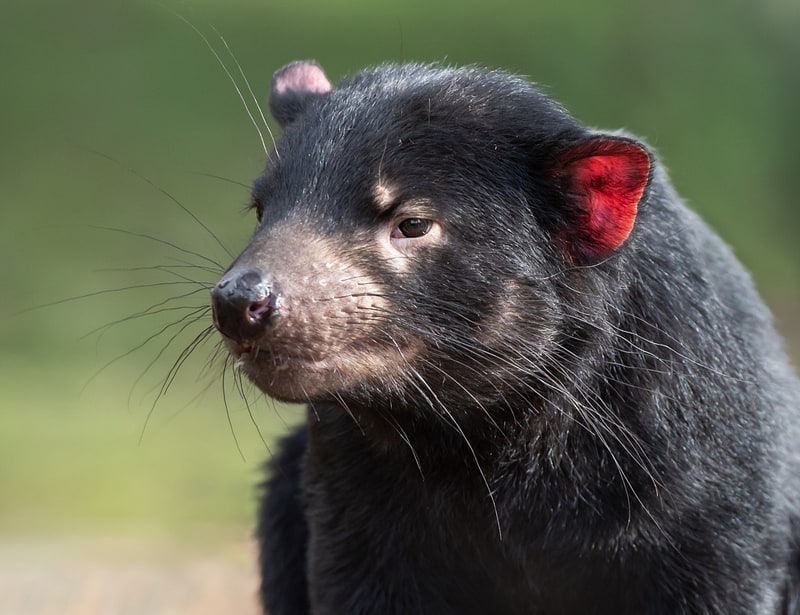
Tasmanian devils are more than just an Australian icon — they are keystone species that keep the island’s ecosystem in balance. By saving them, we preserve an important piece of evolutionary history and ensure the health of one of the world’s most unique environments.
Leave a Reply