
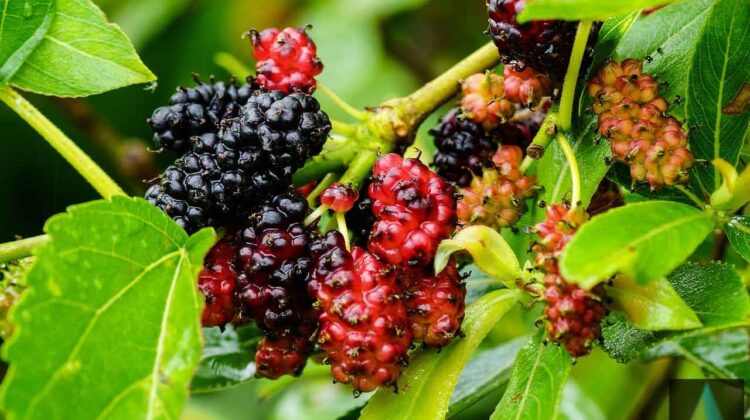
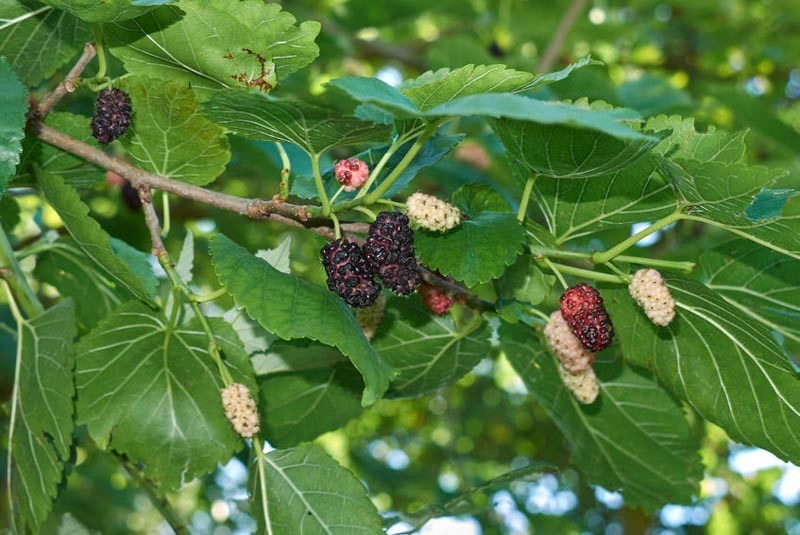
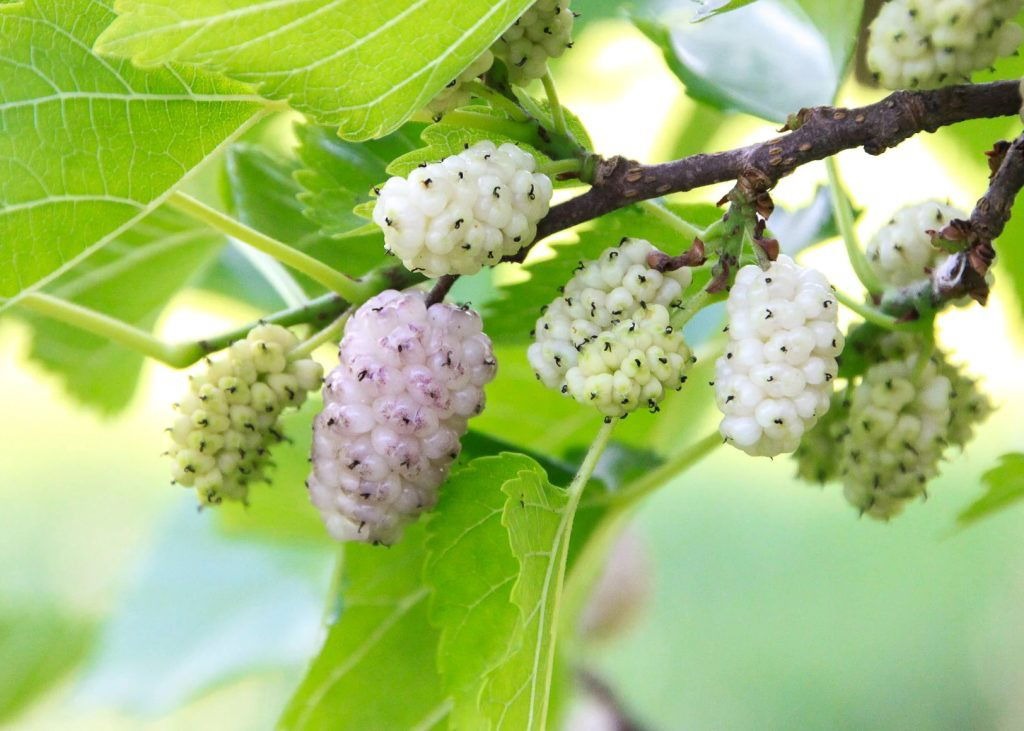
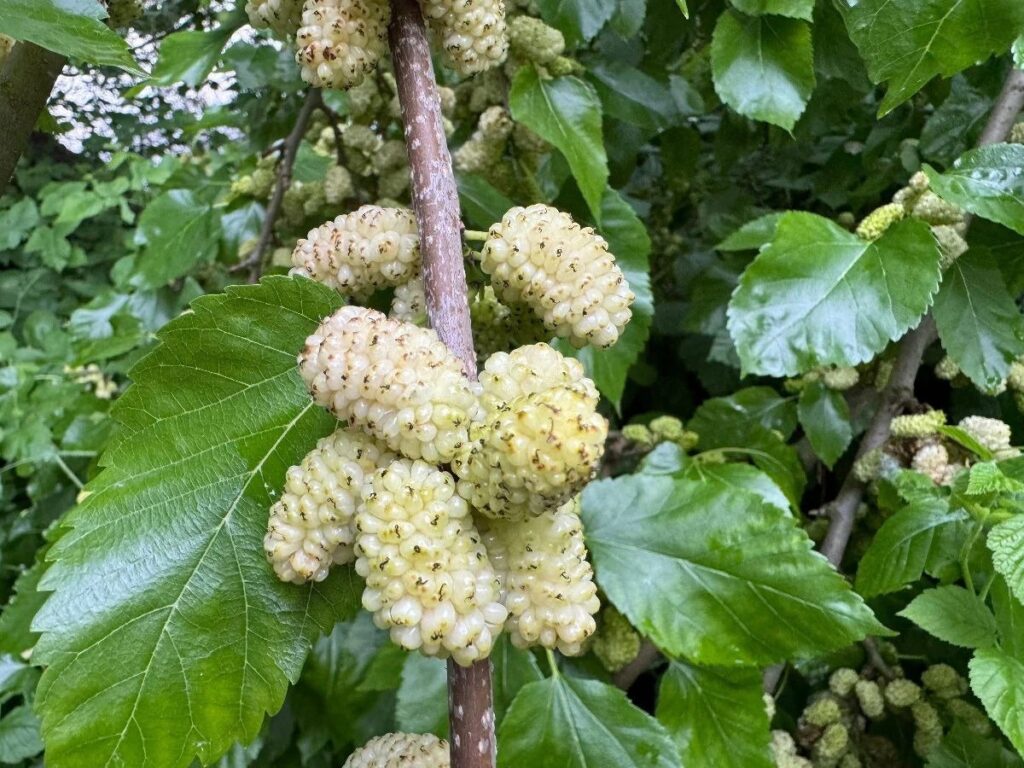
You might walk past a white mulberry tree without giving it much thought, but hidden within its leaves and berries lies an extraordinary natural medicine chest. Once planted in America for silk production, this unassuming tree (Morus alba) has since earned a reputation in traditional and modern medicine for its powerful effects on blood sugar, heart health, and even cancer prevention.
A Plant Rooted in History
White mulberry was introduced to the U.S. during colonial times in an effort to spark a domestic silk industry. Though that venture never truly took off, the hardy tree adapted well and spread across North America.
Beyond silk, its strong wood was used in boats, sports gear, and furniture. Yet its greatest gift wasn’t its timber — it was the nutrient-rich leaves and berries, long prized in Chinese and Ayurvedic medicine.
Health Benefits of White Mulberry
1. Balances Blood Sugar Naturally
White mulberry leaves contain 1-deoxynojirimycin (DNJ), a compound that slows carbohydrate breakdown. This reduces blood sugar spikes after meals, making it a promising natural aid for people with prediabetes and type 2 diabetes.
Clinical studies show mulberry leaf extract can improve insulin sensitivity and reduce fasting glucose levels.
2. Protects Heart and Circulation
Packed with antioxidants, mulberry supports cardiovascular wellness by:
- Lowering LDL (“bad”) cholesterol
- Improving blood circulation
- Helping regulate blood pressure
Over time, this lowers the risk of heart disease — still the world’s #1 killer.
3. Potential Anti-Cancer Properties
White mulberry contains resveratrol, the same antioxidant found in red wine. Early research suggests it may inhibit the growth of certain tumors and protect cells from oxidative stress.
While more studies are needed, it remains a promising natural defense in the fight against cancer.
4. Boosts Immunity and Reduces Inflammation
Rich in vitamin C and polyphenols, mulberry strengthens the immune system and reduces chronic inflammation — a root cause of conditions like arthritis, allergies, and cardiovascular disease.
5. Supports Digestion & Detoxification
With its natural fiber, mulberry improves gut health and promotes healthy bowel movements. It also has mild diuretic properties, helping the body flush toxins and excess fluid.
6. Respiratory and Joint Relief
For centuries, mulberry tea has been used to ease:
- Coughs and colds
- Fever and sore throat
- Joint stiffness and arthritis symptoms
7. Skin & Hair Wellness
In traditional medicine, mulberry is believed to combat premature aging, hair loss, and dizziness. Antioxidants protect skin cells from free radicals, promoting a youthful glow and healthier scalp.
Nutritional Highlights
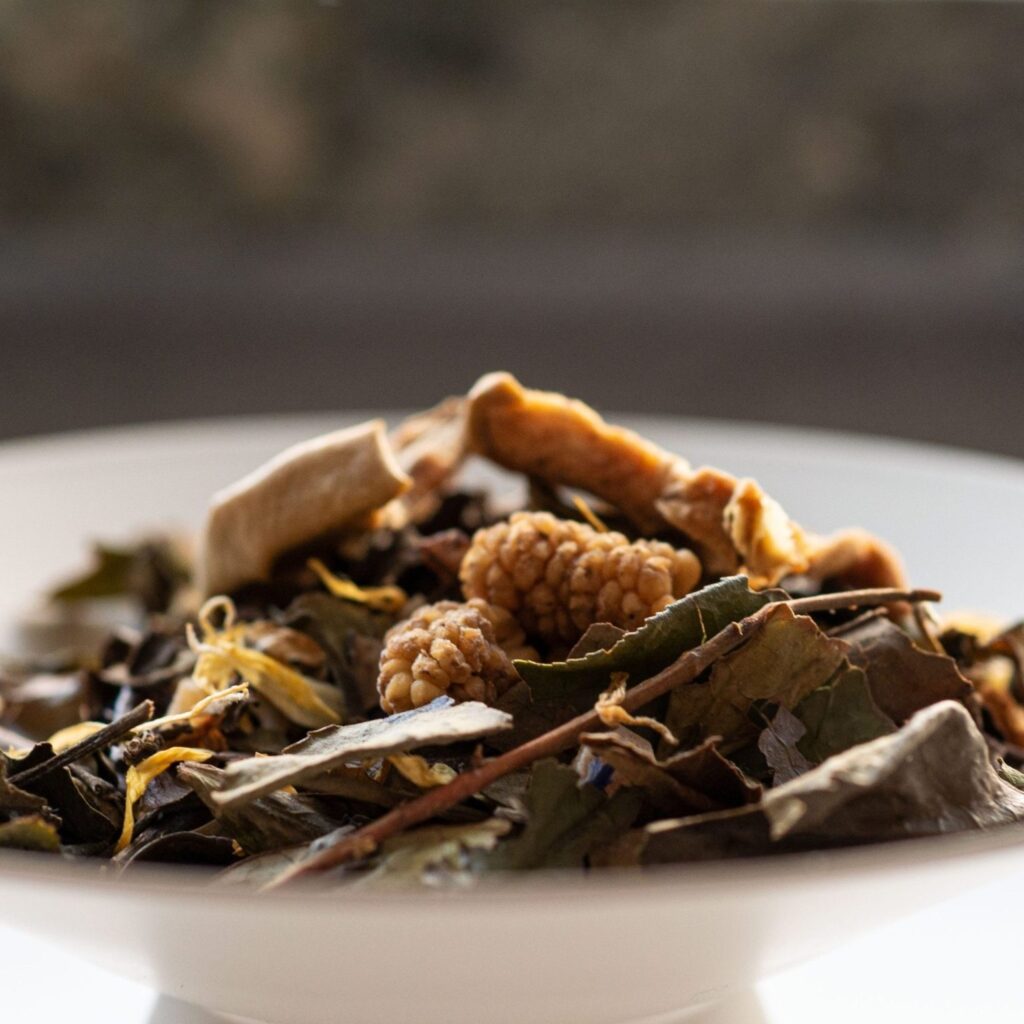
White mulberry leaves and berries are loaded with:
- Vitamin C (immune health)
- Vitamin B-complex (energy & brain function)
- Resveratrol (anti-cancer & anti-aging)
- Polyphenols & flavonoids (powerful antioxidants)
- Fiber & pectin (digestive health)
How to Use White Mulberry
- Tea: Brew dried mulberry leaves for a soothing, health-boosting drink.
- Capsules/Extracts: Ideal for concentrated benefits.
- Fresh/Dried Berries: Snack on them or mix into breakfast bowls.
Safety and Precautions
- People on diabetes medication should consult a doctor before using mulberry (to avoid hypoglycemia).
- Pregnant or breastfeeding women should avoid high doses.
- Excessive intake may cause mild digestive upset.
Final Thoughts
White mulberry is more than just a tree — it’s a living pharmacy that has stood the test of time. From balancing blood sugar to boosting immunity and protecting the heart, this ancient plant continues to prove its worth in modern wellness.
Adding mulberry tea, extracts, or berries to your daily routine could be a simple yet powerful way to support your long-term health.
Leave a Reply