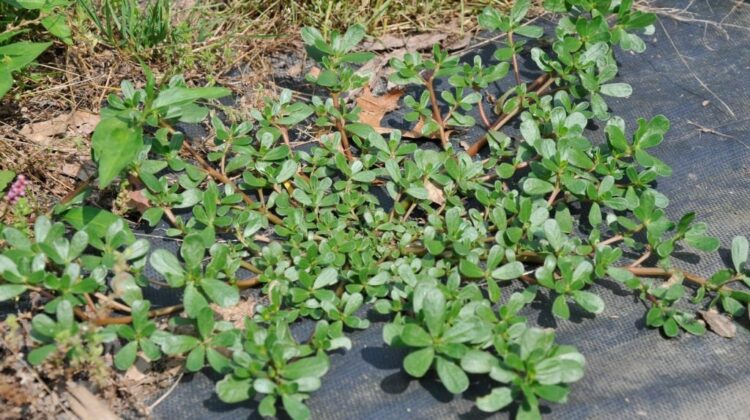
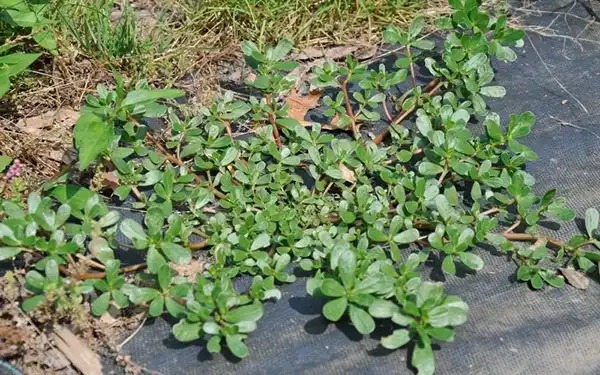
Purslane, also known as verdolaga, is often treated as an unwanted weed. But this hardy little plant deserves a second look. Growing through cracks, gardens and dry soil, purslane is both edible and surprisingly nutritious, with a fresh, slightly sour and peppery flavor.
8 Reasons to Keep Purslane
1. Rich in Omega-3s
Purslane is unusual among leafy vegetables because it provides alpha-linolenic acid (ALA), a plant-based omega-3 fatty acid.
2. Packed With Antioxidants
Its leaves contain antioxidant compounds that help protect cells from oxidative stress as part of a balanced diet.
3. A Source of Important Minerals
Purslane provides nutrients including magnesium, potassium, calcium, iron and phosphorus.
4. Contains Vitamin C
The plant contributes vitamin C, an essential nutrient that supports normal immune function and collagen production.
5. Provides Beta-Carotene
Purslane contains beta-carotene, which the body can convert into vitamin A, an important nutrient for vision and normal immune function.
6. Naturally High in Fiber
Its edible leaves and stems can add plant fiber to meals, helping support normal digestion.
7. Easy to Grow
Purslane is remarkably resilient and can thrive in warm conditions with relatively little attention, making it an interesting choice for home gardens.
8. Delicious and Versatile
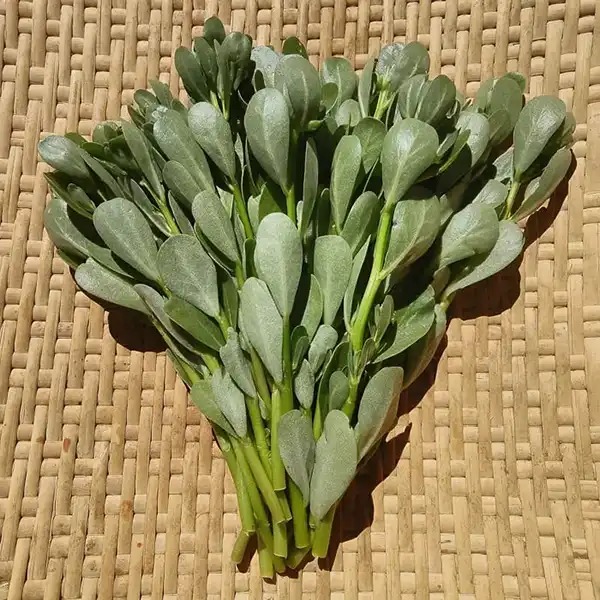
Its crisp, succulent leaves can be eaten raw in salads or cooked into soups, stews, stir-fries and other dishes.
A Simple Purslane Pesto

For an easy way to enjoy it, blend young purslane leaves and stems with fresh basil, garlic, toasted almonds, lemon juice and olive oil. Season to taste and serve over pasta, roasted vegetables, sandwiches or grilled foods.
Before eating wild purslane, make sure it has been correctly identified and thoroughly washed. Avoid plants growing in areas that may have been treated with pesticides or contaminated by chemicals or animal waste.
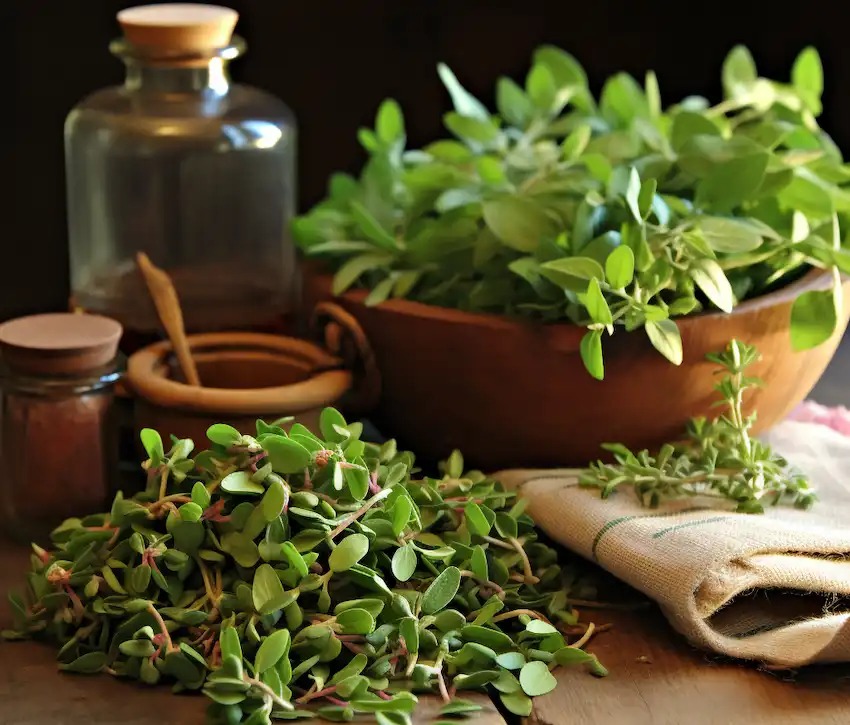
Purslane may look like an ordinary garden weed, but its nutritional profile, distinctive flavor and ability to grow almost anywhere make it a fascinating addition to the home garden and kitchen.
Discovering More From Nature’s Kitchen
Some of the most useful foods can be found growing quietly around us. Edible greens such as purslane can add variety, flavor, vitamins, minerals and beneficial plant compounds to everyday meals. Learning how to identify, grow and prepare nutritious plants can make home cooking healthier, more sustainable and much more interesting.
Leave a Reply