

If you live with a cat, you already know they have a language all their own.
From mysterious rubbing to odd scratching and even panting — every move your feline makes has meaning. Understanding it not only deepens your bond but also keeps your cat healthy and stress-free.
Let’s decode some of the most common (and confusing) cat behaviors that every pet owner should know — especially if you care about your cat’s emotional and physical health.
1. Why Your Cat Rubs Against You
When your cat rubs its face or body against your legs, it’s not just being cute — it’s claiming you.

Cats have pheromone glands around their face, chin, and tail base. By rubbing on you, they release scent markers that say:
“You’re part of my family. You’re safe.”
Expert Tip: If your cat rubs excessively, it could be seeking comfort or attention — or showing signs of stress. Make sure your cat’s environment is calm, enriched, and free from loud noises.
2. Why Your Cat Pants or Licks Itself Constantly
Cats rarely pant like dogs. But during hot weather or after vigorous play, light panting is a cooling mechanism.
If your cat is panting without heat or activity, however, it might signal respiratory distress, heatstroke, or heart problems.
When to see a vet:
If panting is accompanied by drooling, lethargy, or open-mouth breathing, contact your veterinarian immediately.
3. Standing Up to Pee — Marking Behavior Explained
If your cat pees against walls or furniture instead of the litter box, don’t panic — this is usually scent-marking, not misbehavior.
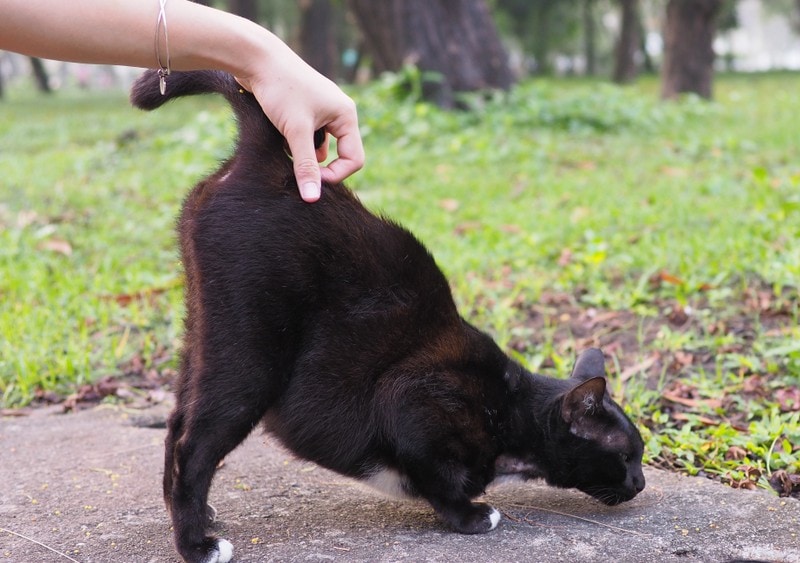
It’s your cat’s way of saying “This is my space.”
Both males and females can spray, especially in multi-cat homes or when stressed.
Pro Tip: Neutering, adding vertical scratching posts, and using pheromone diffusers (like Feliway) can drastically reduce marking.
4. Ears Back, Eyes Narrowed — The Warning Look
If your cat’s ears are flat and eyes half-closed, it’s politely telling you:
“Not now, human.”
This body language shows irritation or fear, not aggression.
Don’t force cuddles — give them space and let them come to you when ready. Respecting your cat’s limits builds long-term trust.
5. The “Paw Stomp” Before a Leap
Ever notice your cat freeze, pupils dilated, then stomp its paws before pouncing?
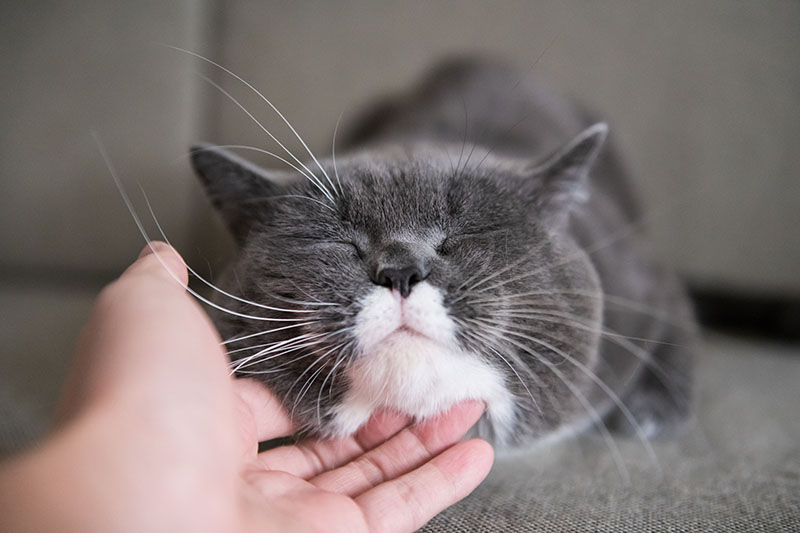
That’s a hunter’s focus ritual. It helps them stabilize and gather energy before the strike.
This behavior dates back to their wild ancestors — pure feline precision and instinct.
Understanding the “Cat Code”
Cats may not speak, but they communicate constantly — with scent, posture, sound, and touch.
Learning to read these signals helps prevent health issues, reduces stress, and strengthens your emotional bond.
If your cat suddenly starts rubbing, scratching, or acting differently, consult your vet. Sometimes, these changes indicate allergies, ear infections, or neurological issues that need quick attention.
Final Thought
Every whisker twitch and tail flick tells a story.
Your cat’s behavior is its way of saying what it feels — love, fear, comfort, or curiosity.
When you listen closely, you’ll discover that your furry companion has been “talking” to you all along.
Leave a Reply