
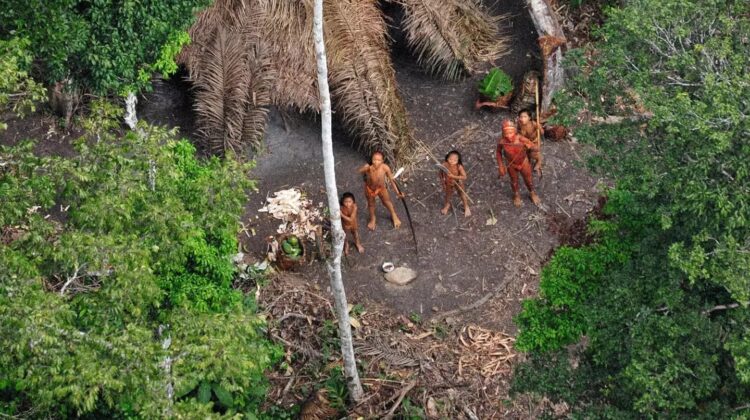
Around the world, 196 uncontacted indigenous groups live hidden from modern society, with 95% in the Amazon rainforest. These isolated communities survive entirely through hunting, fishing, and gathering, preserving centuries of culture, knowledge, and traditions.
A new report, “Uncontacted Indigenous Peoples: at the edge of survival”, warns that greed, exploitation, and illegal activities are pushing these groups to the brink of extinction.
The Amazon: Home to the Most Vulnerable Tribes
The largest concentration of uncontacted tribes exists in the Yavari-Tapiche area along the Brazil-Peru border, home to 26 isolated communities.
Their territories are not just homes — they are the foundation of identity, culture, and survival. Losing access to this land threatens everything they know.
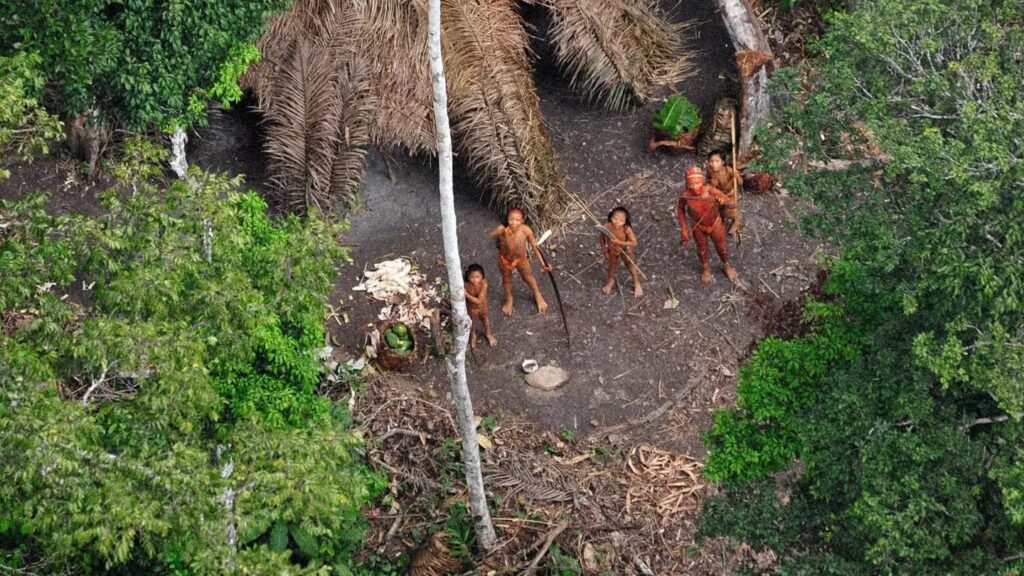
“These territories are their shelter, their livelihood, and the core of their identity,” the report states.
Exploitation, Illegal Contact, and Threats
The report highlights multiple dangers facing uncontacted tribes:
- Illegal contact by adventurers, influencers, and tourists seeking fame.
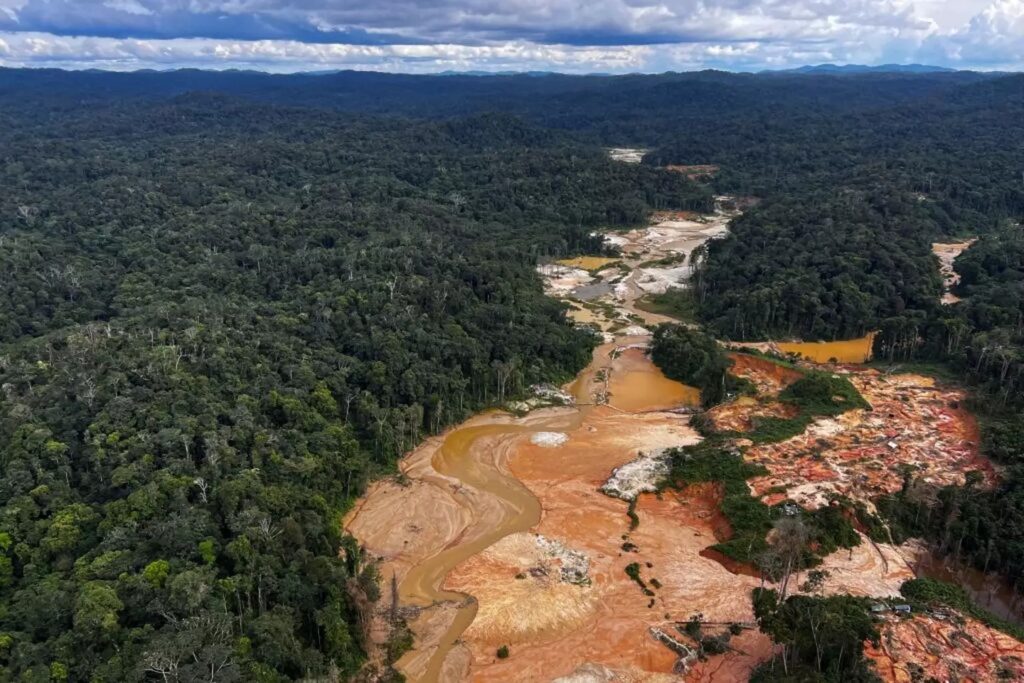
- Exploitation of land for logging, mining, or drug-trafficking operations.
- Cultural erasure and assimilation justified by harmful stereotypes.
An example cited in 2025: Mykhailo Viktorovych Polyakov was arrested in India for attempting to contact the Sentinelese on North Sentinel Island — despite previous legal warnings.
Attempting to film or photograph uncontacted tribes, including the Andaman communities, is strictly prohibited under local law.
Corporate Responsibility and Global Call to Action
The report urges governments and companies to:
- Enforce national and international protections for indigenous territories.
- Avoid sourcing materials from areas belonging to uncontacted tribes.
- Take steps to clean supply chains and prevent exploitation.
Without immediate action, experts warn that up to 50% of uncontacted groups could vanish within a decade.
Human Rights and the Urgency to Protect Them

Uncontacted peoples face deadly threats simply for existing. From illegal invasions to drug gangs and deforestation, the fight for survival is critical. The report stresses:
“Forcing contact places profit and curiosity above their rights and survival.”
Protecting these communities isn’t just a legal duty — it’s a moral responsibility.
Leave a Reply