
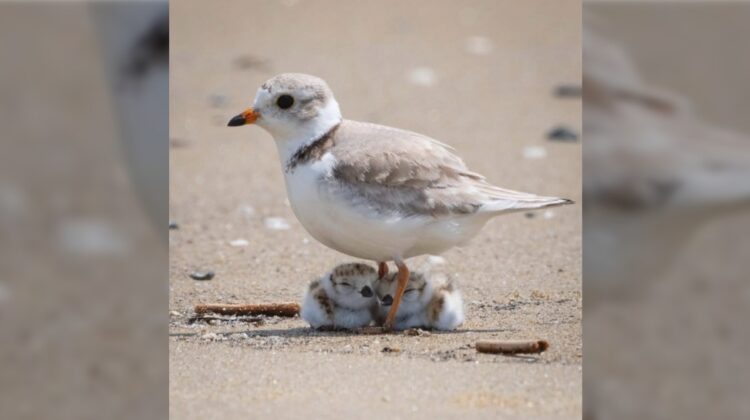
Piping plovers are among the tiniest and most fragile shorebirds in North America, and watching their chicks hatch is something truly special. These newborn fluffballs look like moving cotton balls with legs — light, quick, and irresistibly adorable.
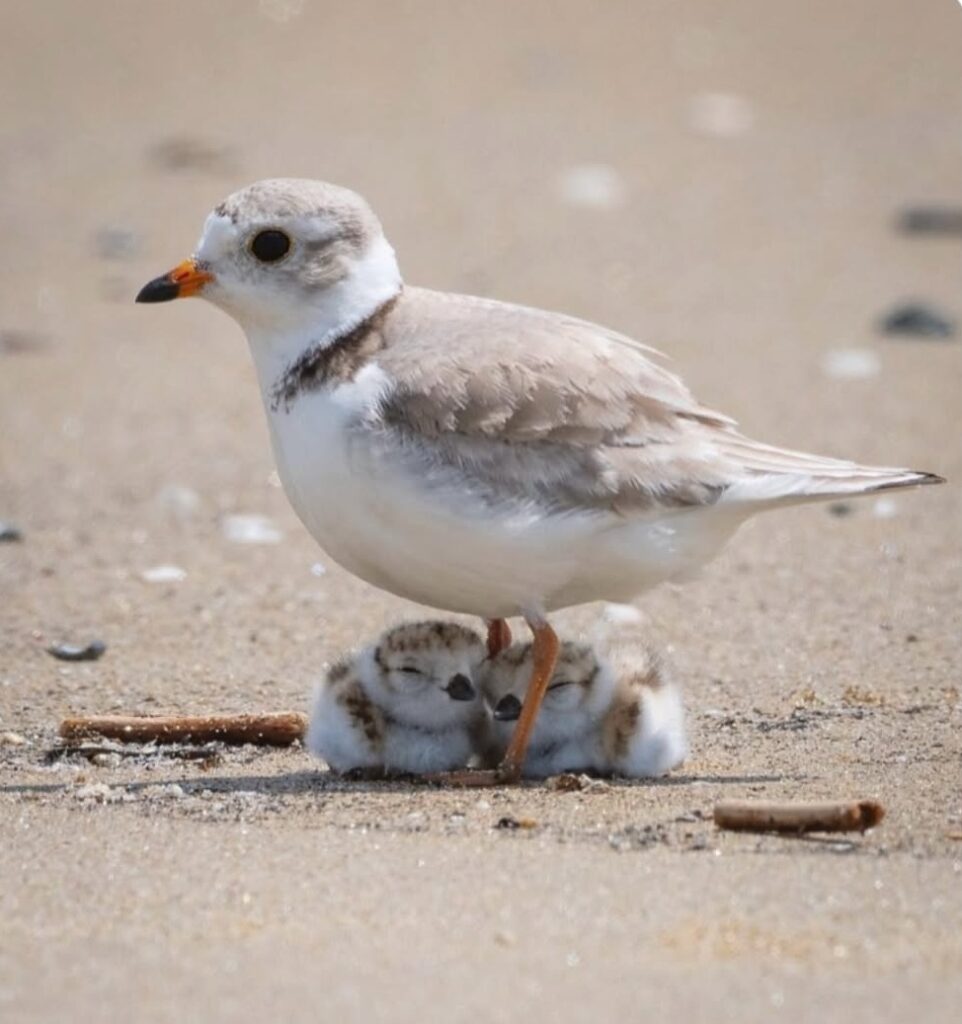
Piping plovers live along sandy beaches, tidal flats, and coastal dunes. Their pale sand-colored feathers act as natural camouflage, helping both adults and chicks blend perfectly into their environment. They also have a thin black neck collar and bright orange legs, small details that make them instantly recognizable to bird lovers.
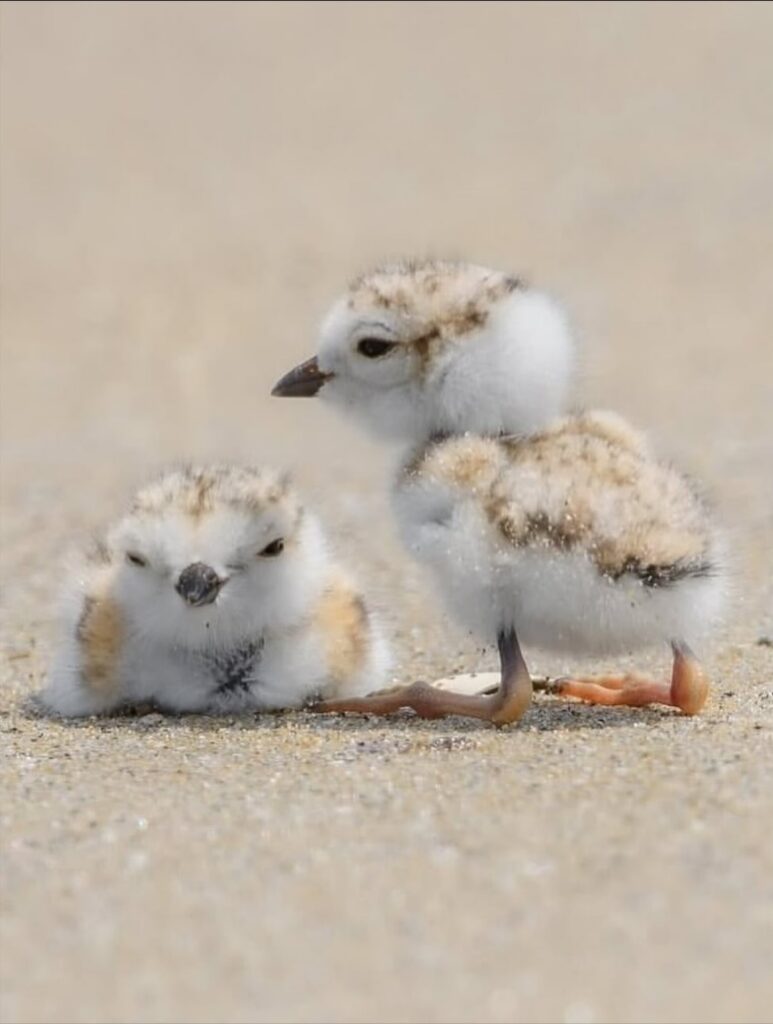
These birds build their nests directly on open sand, laying their eggs in simple shallow scrapes instead of traditional nests. While this helps them blend into the landscape, it also leaves them extremely vulnerable to predators, beachgoers, dogs, and rising tides. Because of this, piping plovers are listed as a threatened species in many regions, with conservation teams working every year to protect nesting areas.
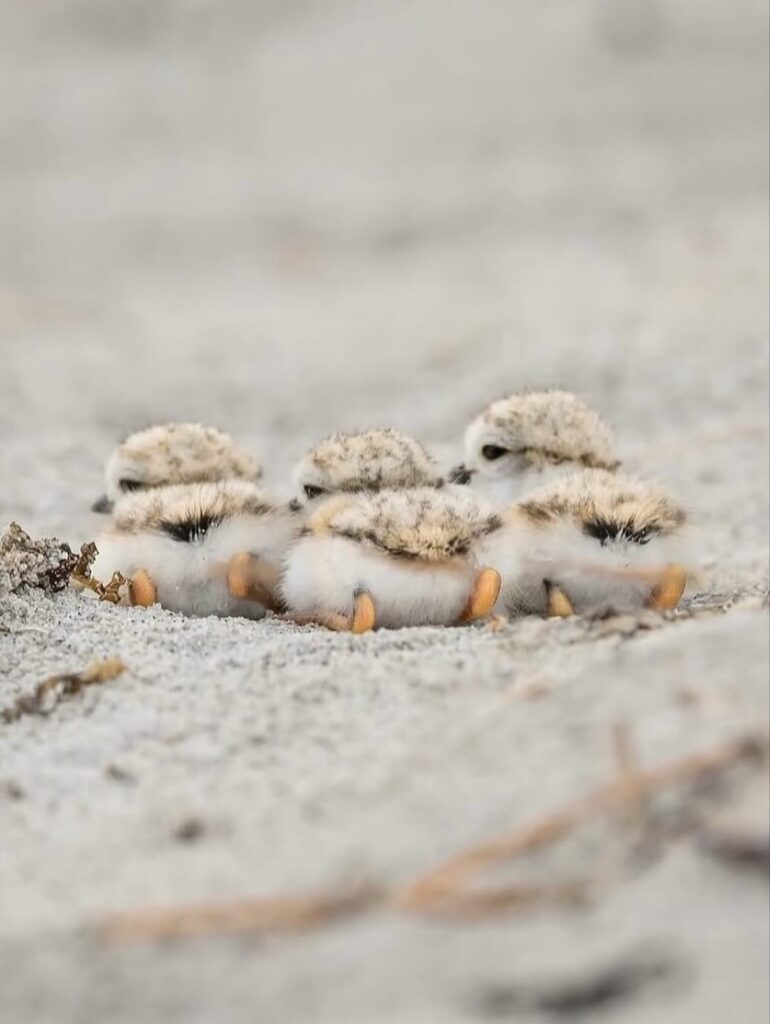
The moment the chicks hatch, they’re already on the move. Unlike many baby birds that remain in the nest helpless, plover chicks can walk within hours. They follow their parents across the beach, pecking at insects, tiny crustaceans, and marine invertebrates. Their survival depends heavily on staying hidden, staying close, and staying quick.
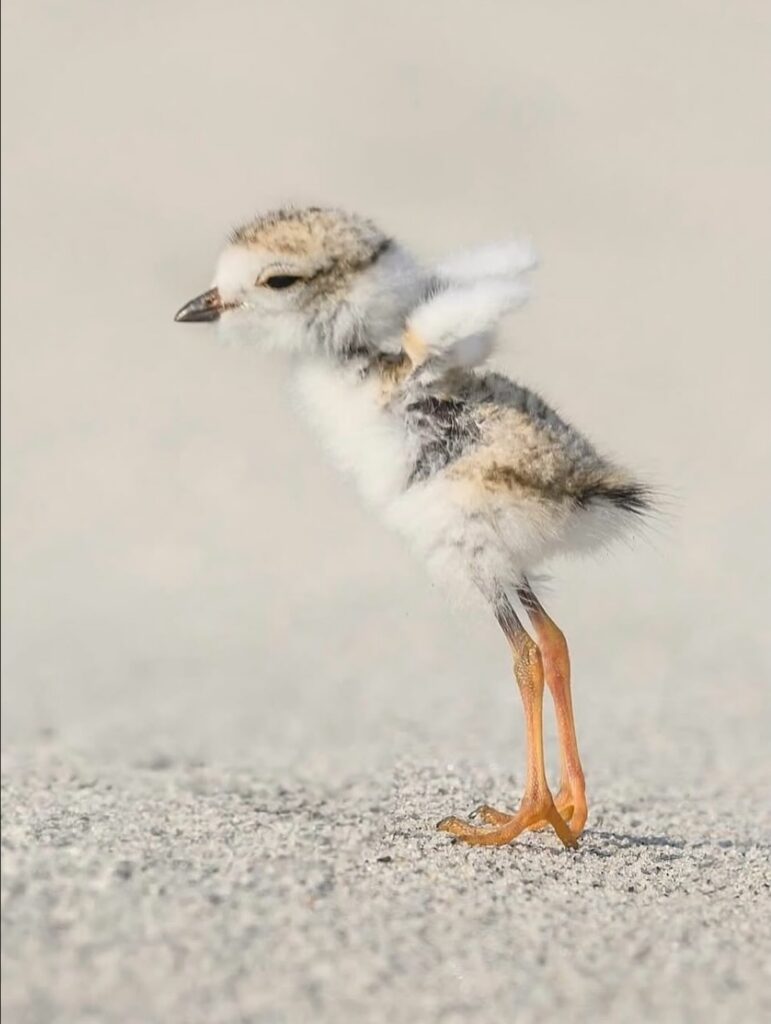
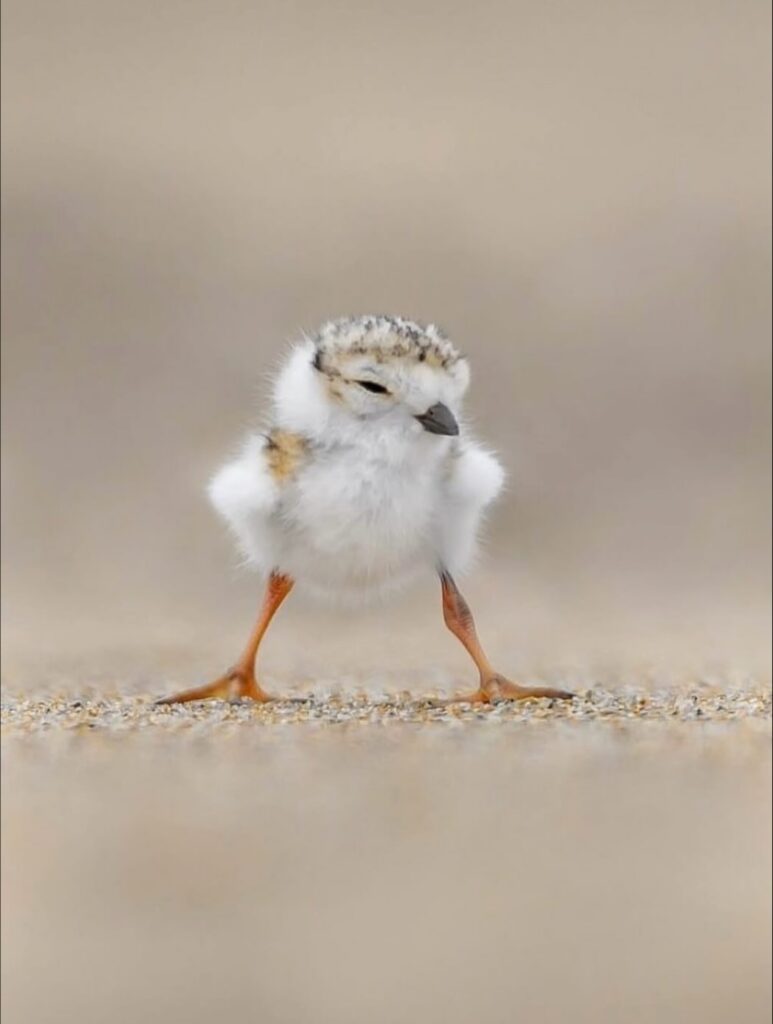
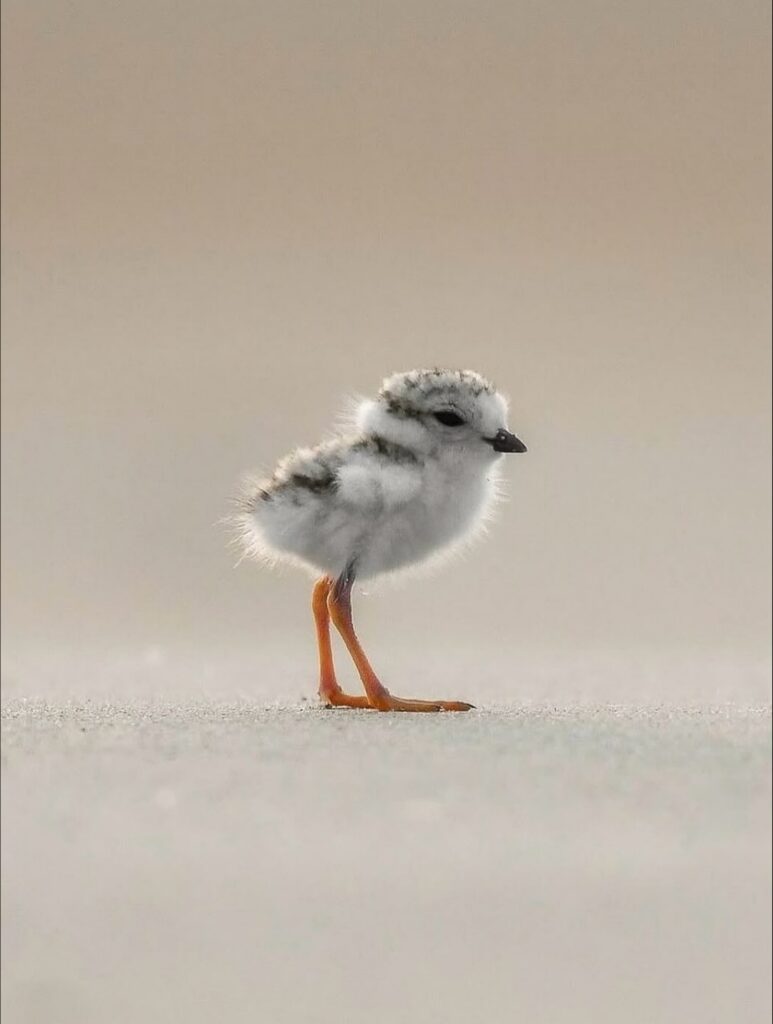
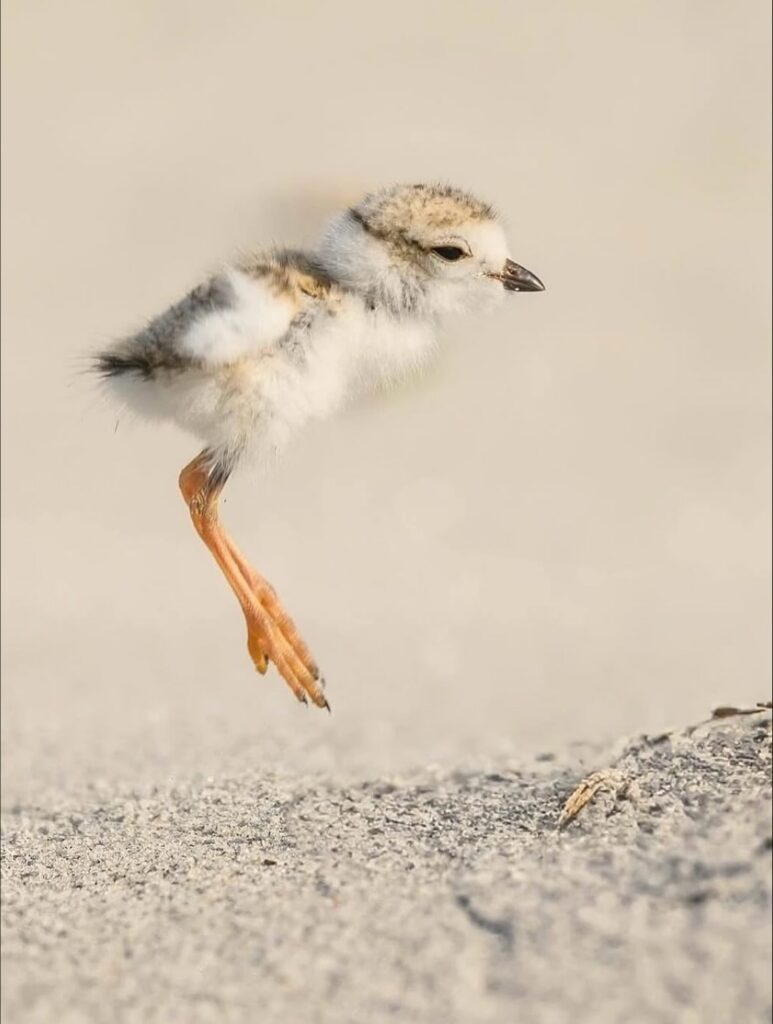
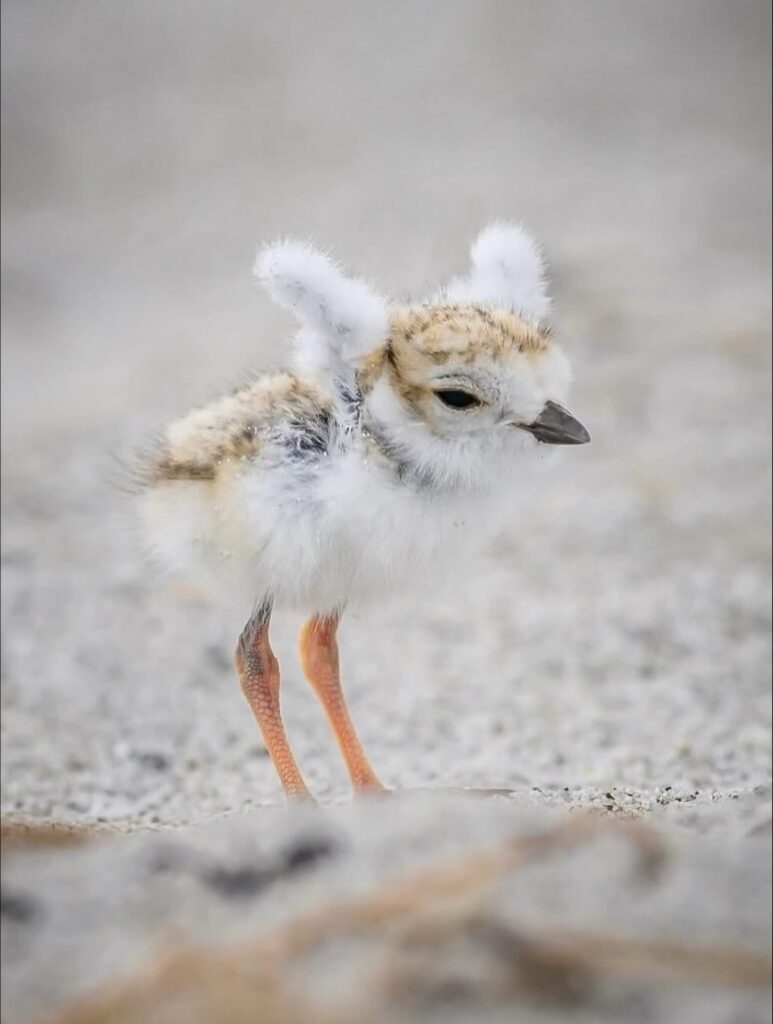
These photos show just how small and delicate they are — a reminder of how important conservation efforts are for species that depend on fragile beach habitats.
Leave a Reply