
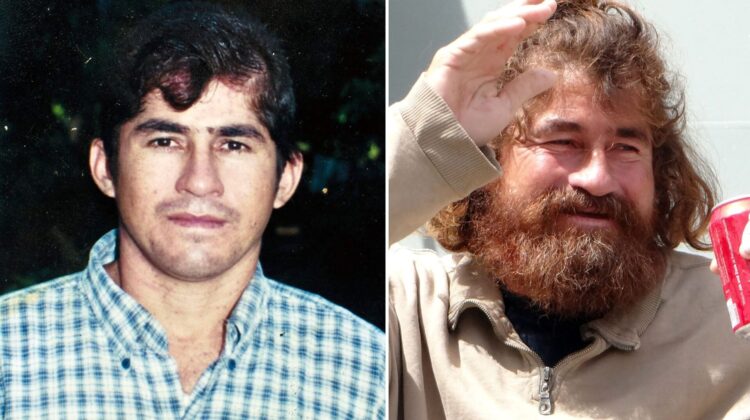
José Salvador Alvarenga’s ordeal is often described as one of the most astonishing survival stories ever documented. A seasoned fisherman from El Salvador, Alvarenga set out on what should have been a routine trip in late 2012. But when a violent storm struck, his small fishing boat was pushed far off course, leaving him stranded in the middle of the vast Pacific Ocean with almost no supplies and no way to navigate home.
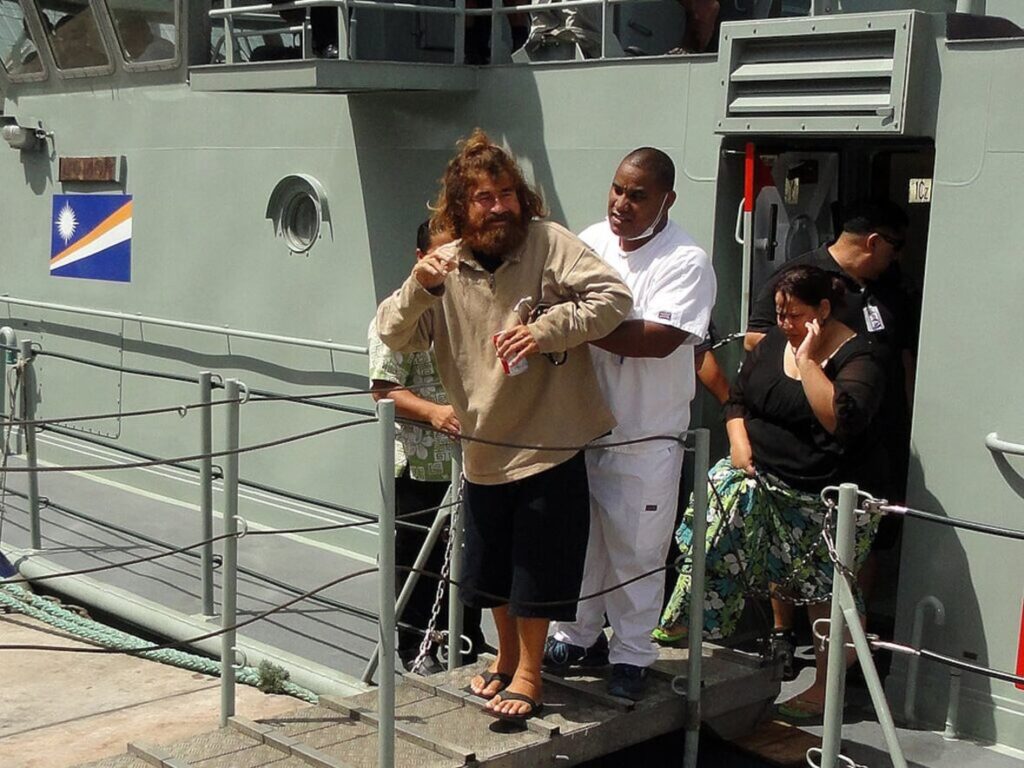
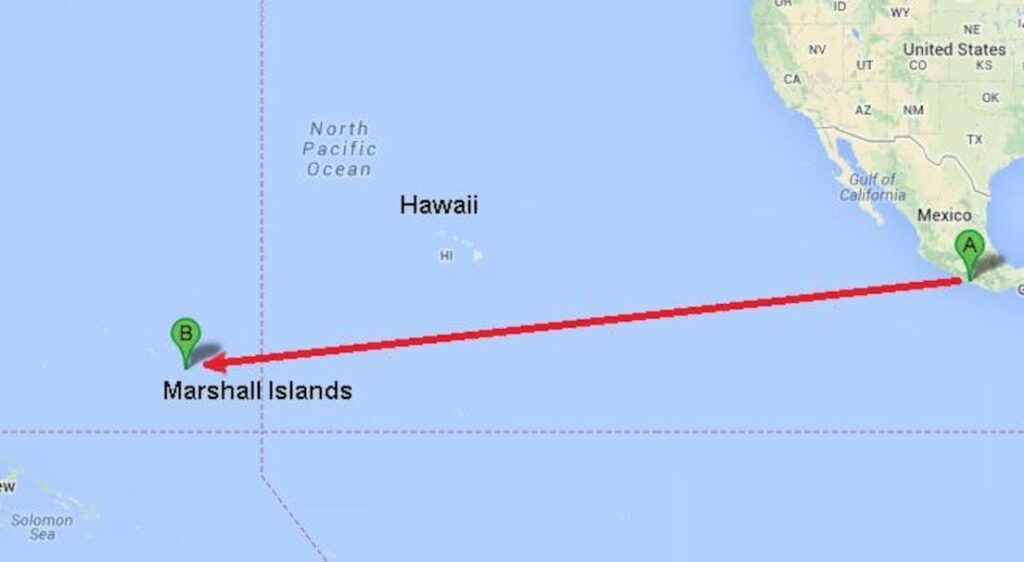
What followed was a 14-month drift across thousands of miles, where Alvarenga survived on rainwater, raw fish, turtles, and sheer determination. By the time he washed ashore in the Marshall Islands in January 2014, he was the sole survivor. His young crewmate, Ezequiel Córdoba, had tragically died during the journey—likely from dehydration, starvation, and exposure after losing hope.
The shock of Alvarenga’s survival story quickly turned into controversy. After he published his account of the ordeal, Córdoba’s family filed a $1 million lawsuit in 2015, accusing him of cannibalism. They claimed Alvarenga must have eaten Córdoba to stay alive—despite offering no evidence to support the allegation.

Experts familiar with the case—survival specialists, medical professionals, and investigators—consistently stated that the crewmate’s death aligned with natural causes faced during long-term drifting. There was no indication of foul play, and Alvarenga repeatedly insisted he never harmed his partner and even kept Córdoba’s body on the boat for days out of grief.
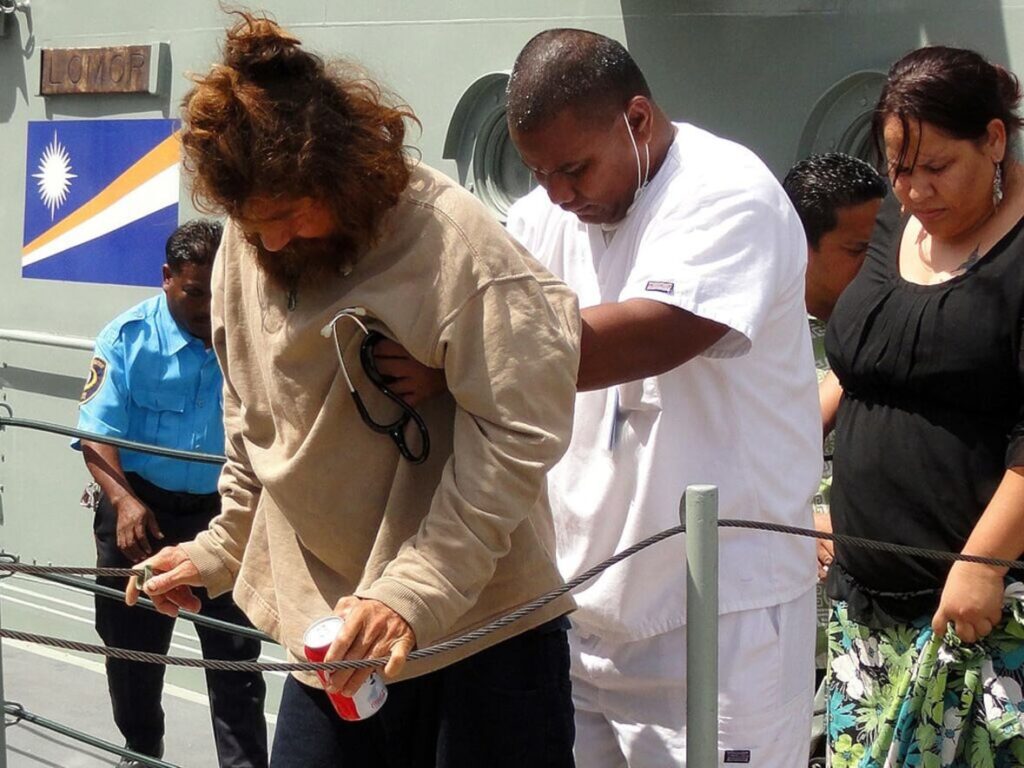
Eventually, the lawsuit was dismissed, and no charges were ever brought against Alvarenga.
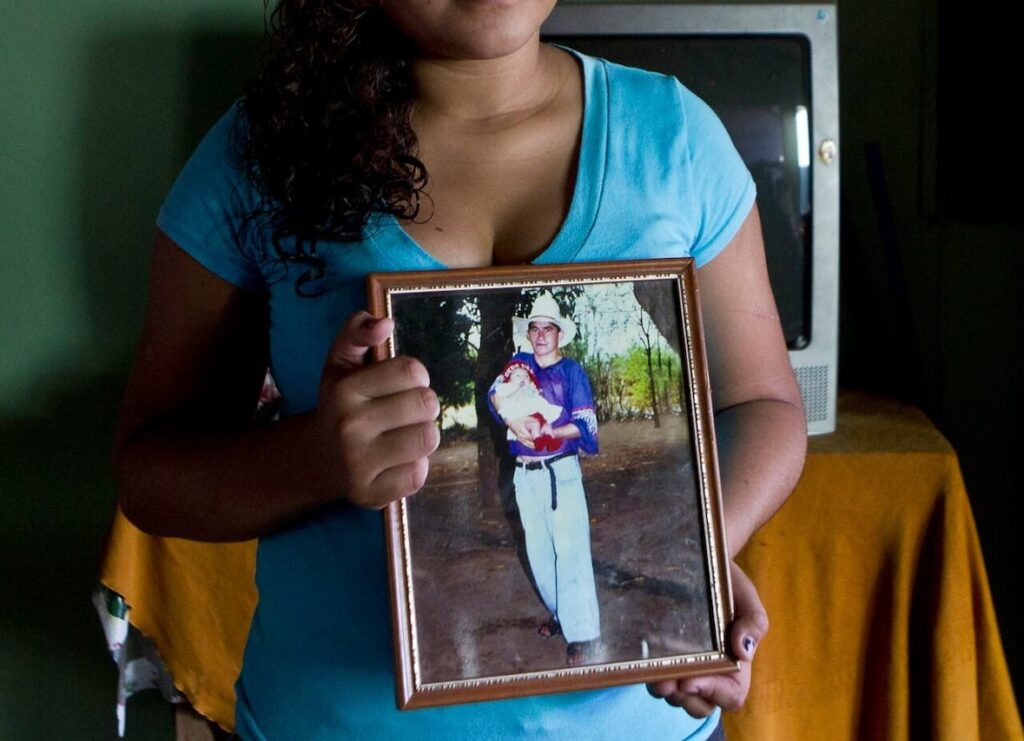
Today, his story remains a powerful example of human endurance, extreme survival, and the psychological toll of isolation at sea. It is a rare case where truth seemed stranger than fiction—and where surviving the impossible was only the beginning of the struggle.
Leave a Reply