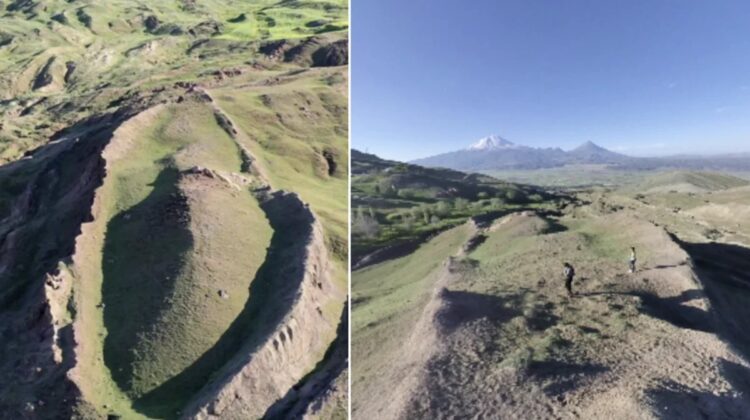
For decades, a 538-foot hill shaped like a ship has fueled the search for Noah’s Ark. Now a research team in eastern Turkey says its first-ever core drilling has handed critics a problem. The scientific mainstream, however, still regards the formation as natural.
The Site: A Ship-Shaped Formation Near Ararat
The Durupınar formation lies near Doğubayazıt, in Turkey’s Ağrı province, not far from Mount Ararat. It is roughly 538 feet (164 meters) long and was brought to public attention in 1959, when Turkish army captain İlhan Durupınar noticed it. Its shape and its location in the region named in the Bible have kept Ark hunters returning ever since.
What the Team Says It Found
The latest project is led by Sivas Cumhuriyet University in partnership with Noah’s Ark Scans. Andrew Jones, the project’s deputy head, says the team drilled cores at more than a dozen locations and collected more than 300 soil samples. He says the drills never hit solid bedrock. “The structure is entirely soil,” Jones told Turkish media outlet Daily Sabah, adding that the cores brought up very dark, organic-rich soil.
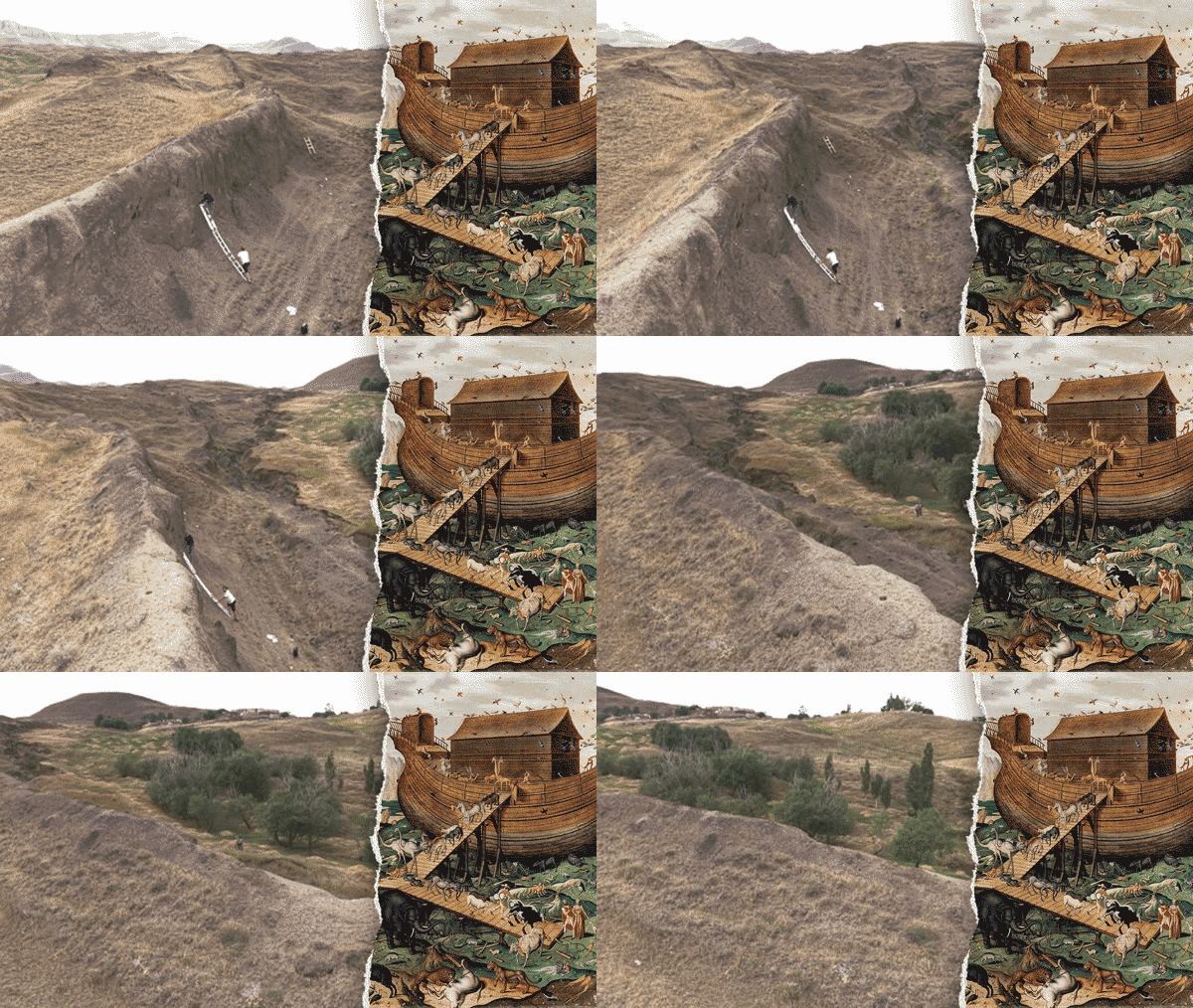
Jones also highlights a 2024 soil study that, he says, found three times more organic matter inside the formation than in samples taken just outside it. His reasoning is that decaying wood would leave behind elevated organic material. Ground-penetrating radar also detected right angles, layered structures and voids, which he believes could be human-made, though the radar report has not been completed.
What Happens Next
The samples are headed to laboratories at Ankara University, with analysis involving Sivas University as well. The team wants to know whether the soil shows signs of human activity or of materials consistent with decayed wood. “In archaeology, you deal with probabilities,” Jones told Fox News, adding that his team is hoping for confirmation this winter.
What Geologists Say
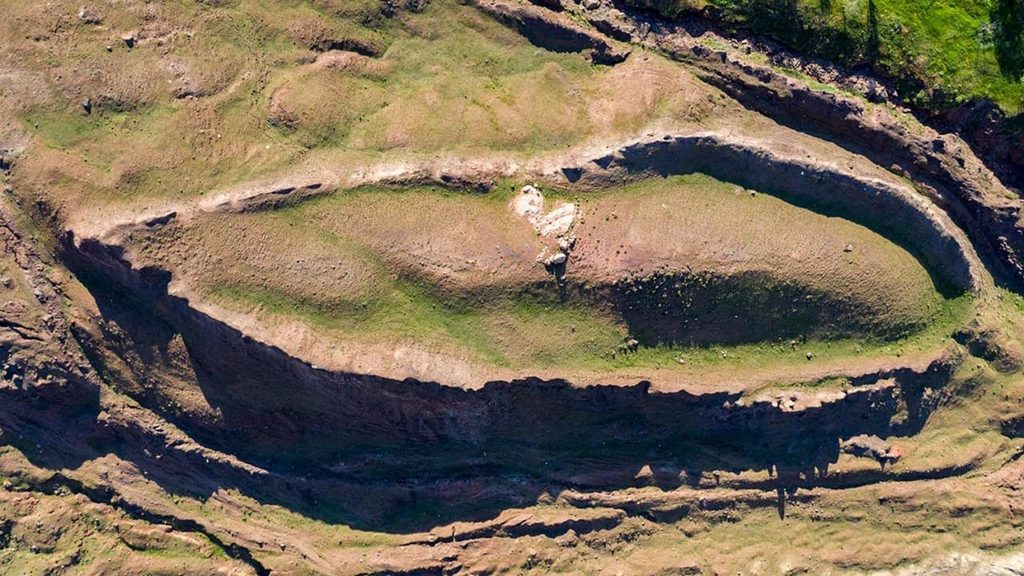
The scientific consensus differs. Geologist Lorence Collins of California State University, Northridge, and the late David Fasold, a former Ark hunter, argued in a 1996 paper in the Journal of Geoscience Education that the structure is natural rock shaped by erosion and mudflows. Geologists on both the secular and young-earth creationist sides have called it a natural formation. Nothing has been confirmed, and the results of the newest soil analysis have not yet been released.
Planning a Trip to Ararat Country?
Stories like this make many travelers curious about eastern Turkey. If you are thinking of going, here is what to budget for:
- Guided tours. Compare Mount Ararat tours and eastern Turkey travel packages that include local guides.
- Travel insurance. For remote destinations, travel insurance with medical and evacuation cover is worth considering.
- Flights and hotels. Book flights to Turkey and hotels in Doğubayazıt early for the best rates.
- Reading and learning. Biblical archaeology books, documentary streaming subscriptions and online archaeology courses are a good way to explore the topic.
Frequently Asked Questions
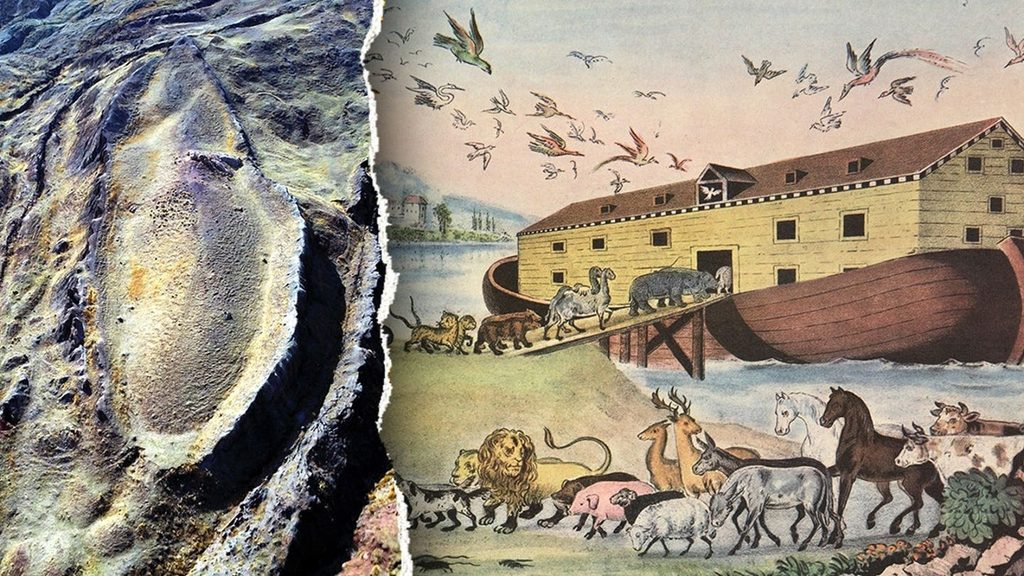
What is the Durupınar formation? It is a boat-shaped formation about 538 feet long near Doğubayazıt in eastern Turkey, close to Mount Ararat.
Has Noah’s Ark been found? No. A research team says its drilling and soil results support its hypothesis, but the formation has not been scientifically confirmed as the Ark.
Why do geologists doubt it? Researchers such as Lorence Collins say the formation is natural, shaped by erosion and mudflow, and that earlier claims of man-made features were misinterpreted.
When will the soil results be ready? The team expects lab analysis at Ankara University this winter.
Sources: Fox News, Daily Sabah, Azernews, and Logically Facts, all covering the 2026 drilling at the Durupınar formation in eastern Turkey and the debate over whether it holds the remains of Noah’s Ark.
Leave a Reply