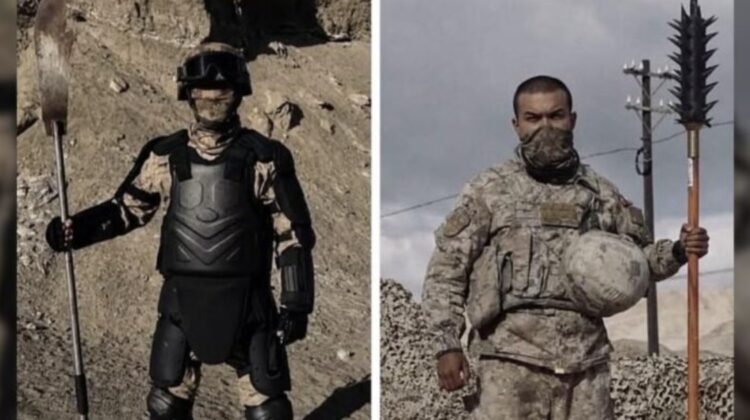
Two of the world’s biggest armies face each other along thousands of kilometers of high-altitude frontier, yet for decades no shots were fired. The reason is not a lack of weapons. It’s a set of agreements that turned border clashes into brawls.
The Rule That Keeps Guns Quiet
India and China have never agreed on where their border runs. The disputed boundary, known as the Line of Actual Control (LAC), has no mutually accepted map. To prevent skirmishes from turning deadly, the two countries signed confidence-building agreements in 1993 and 1996, followed by more in 2005 and 2013.
Under the 1996 and 2005 deals, soldiers on both sides are barred from using firearms during face-offs, and the accords also limit weapons and explosives near the line. Troops still carry arms while on border duty, but they leave them holstered. India’s Foreign Minister S. Jaishankar described it as a long-standing practice “not to use firearms during face-offs.”
The result was a remarkable record: there had not been a fatality or a shot fired on the frontier since 1975.
What Soldiers Do Instead
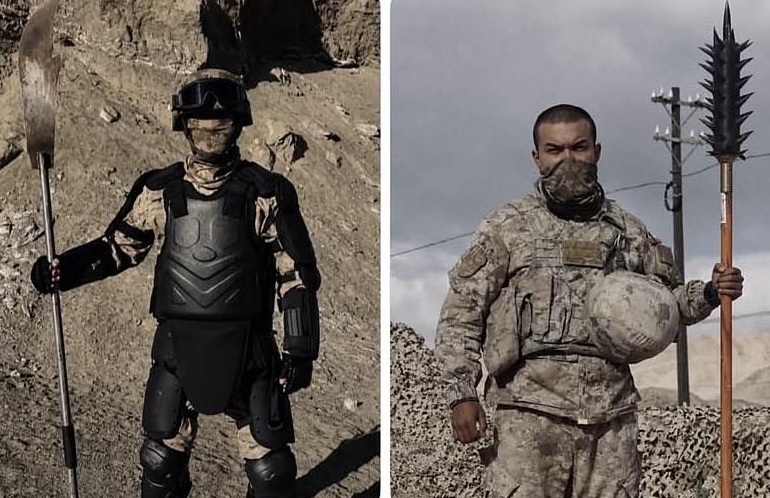
With guns off the table, the confrontations became physical. Troops on both sides push each other, throw stones, and trade punches in shoving matches that often last hours. Indian and Chinese soldiers brawled with fists and stones in May 2020 at two separate points along the border.
Galwan Valley: When the Brawl Turned Deadly
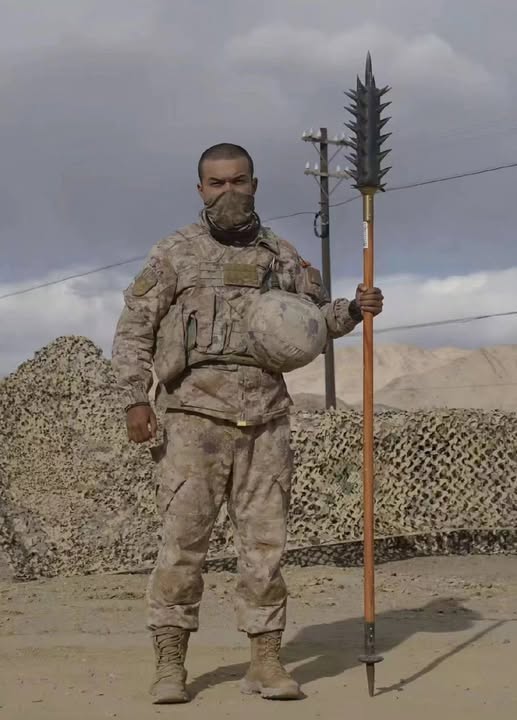
The rule was never meant to guarantee safety, and it did not on June 15, 2020. In the Galwan Valley in Ladakh, a clash that lasted more than seven hours left at least 20 Indian soldiers dead and 76 injured. Reports say Chinese troops used iron rods, batons wrapped in barbed wire and clubs studded with nails, and that some soldiers were thrown into the freezing Galwan River.
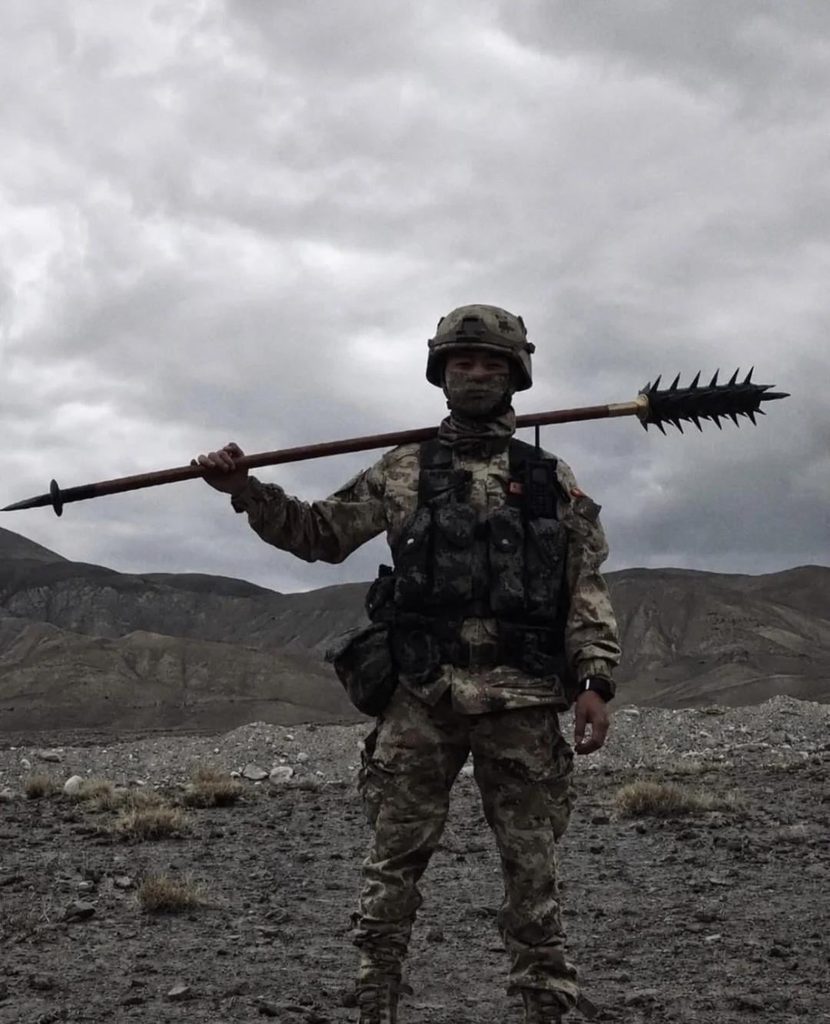
No firearms were used, but it was the deadliest confrontation on the border in more than half a century. China did not initially give an official count of its own casualties, though Indian intercepts suggested that at least 43 Chinese soldiers were killed or injured.
The Rules Have Shifted
A week after Galwan, the Indian Army changed its rules of engagement, allowing field commanders to authorize firearms in “extraordinary circumstances.” The no-guns practice remains an agreement between two countries, but it is no longer treated as absolute.
Planning a Trip to Ladakh?
Today Ladakh draws visitors for its monasteries, high passes and dramatic landscapes. If you’re planning to see it, a few steps help:
- Compare Ladakh tour packages. Guided trips often handle permits and altitude acclimatization.
- Buy travel insurance. Medical evacuation cover matters at high altitude.
- Gear up for the cold. Good trekking boots and a down jacket are essentials.
- Book flights early. Compare flights to Leh for the summer season.
Frequently Asked Questions
Why don’t India and China use guns at the border? Border agreements from 1996 and 2005 bar firearms during face-offs, a way to stop disputes from escalating into war.
Do soldiers carry guns at all? Yes. Troops on border duty carry weapons but follow the agreement not to fire them during face-offs.
What happened at Galwan Valley? On June 15, 2020, a hand-to-hand clash killed at least 20 Indian soldiers, and no firearms were used.
Has the no-guns practice changed? After Galwan, India authorized firearms in “extraordinary circumstances,” though the agreements remain on paper.
Sources: Scroll.in, Hindustan Times, IANS, and the Stimson Center, all covering the India-China border agreements, the 2020 Galwan Valley clash, and India’s changed rules of engagement.
Leave a Reply