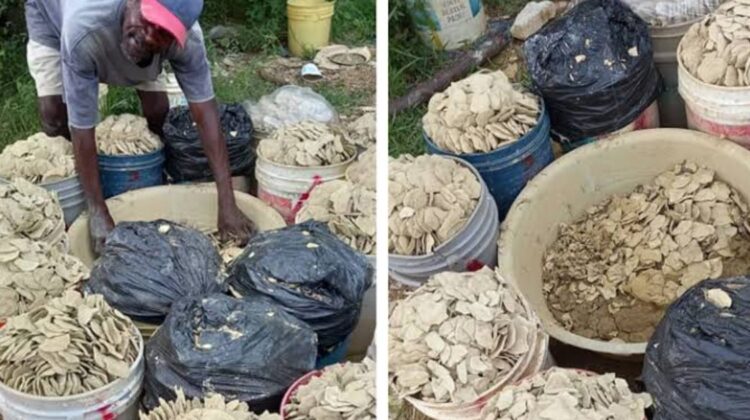
In the poorest neighborhoods of Haiti, some families fill their stomachs with cookies made from dirt. The practice is a symptom of a far larger crisis, one that is growing as gang violence, displacement and high prices push food out of reach.
What Are Mud Cookies?
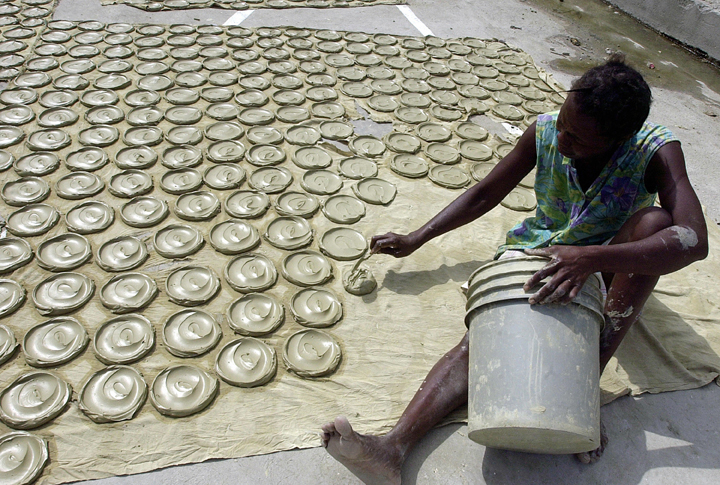
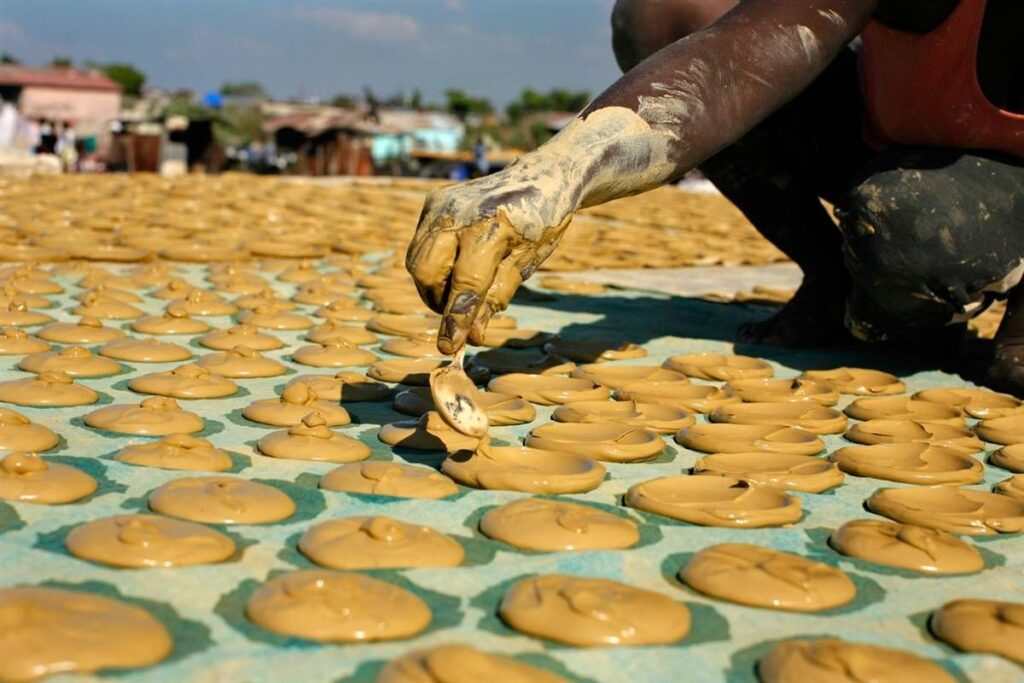
Known in Haitian Creole as bonbon tè, mud cookies are flat discs made from dried yellow clay, mixed with a little salt and margarine or vegetable shortening, shaped by hand and dried in the sun. They sell for about five cents each in many street markets.
They became a staple for the poor when global food prices peaked in 2008, and they have been documented for years since. Experts say the dirt-based food has no real nutritional value. A doctor interviewed by the aid group Concern said she discourages anyone from eating them.
A Small Share, a Big Signal
Reuters photographer Eduardo Muñoz, who photographed the cookies being made in Cité Soleil, noted that “only a small portion of the Haitian people eat these mud cakes.” But the cookies are the cheapest way some families can quiet an empty stomach, and sellers there depend on them for income.
The Numbers Behind the Hunger
The latest figures show how serious the situation is. In April 2026, the Integrated Food Security Phase Classification (IPC) reported that 5.8 million Haitians, roughly 52 percent of the population, face crisis levels of acute food insecurity or worse. More than 1.8 million are in the emergency phase, meaning they are exhausting their last assets and cannot meet basic food needs.
The crisis is driven by armed groups expanding their control, more than 1.4 million displaced people, and repeated disruptions to markets and farming. Food inflation has also remained high, hitting 35.1 percent in September 2025, according to the FAO.
Some Progress, but It’s Fragile
There are small signs of improvement. The World Food Programme says sustained food aid helped about 200,000 Haitians move out of emergency levels of hunger since last year, and the latest estimate is slightly below earlier projections. But aid groups say the gains are fragile and depend on continued funding.
Wanja Kaaria, WFP’s Haiti country director, warned that these improvements “must not lead to complacency.”
How You Can Help
You can’t fix a hunger crisis alone, but support for relief organizations makes a real difference. A few options:
- Donate to hunger relief. Compare hunger relief charities and humanitarian aid organizations with transparent spending.
- Give monthly. Recurring donations help groups plan long-term programs.
- Use workplace giving. Many employers offer donation matching programs.
- Sponsor a child. Child sponsorship programs can support food and education.
- Shop with purpose. Buying fair trade coffee and cocoa supports farmers in developing countries.
Frequently Asked Questions
What are Haitian mud cookies made of? They are made of dried clay, salt and margarine or vegetable shortening, shaped by hand and dried in the sun.
Do many Haitians eat them? Only a small share of the population does, but they are a cheap option for the poorest families in places like Cité Soleil.
How many people in Haiti face hunger? About 5.8 million, or more than half the population, face acute food insecurity, according to the April 2026 IPC analysis.
What is driving the crisis? Gang violence, displacement, economic shocks, high food prices and disrupted farming and markets.
Sources: World Food Programme, Concern Worldwide USA, Reuters, and the FAO, all covering Haiti’s food insecurity crisis, the 2026 IPC analysis, and the practice of eating mud cookies in Haiti’s poorest communities.
Leave a Reply