
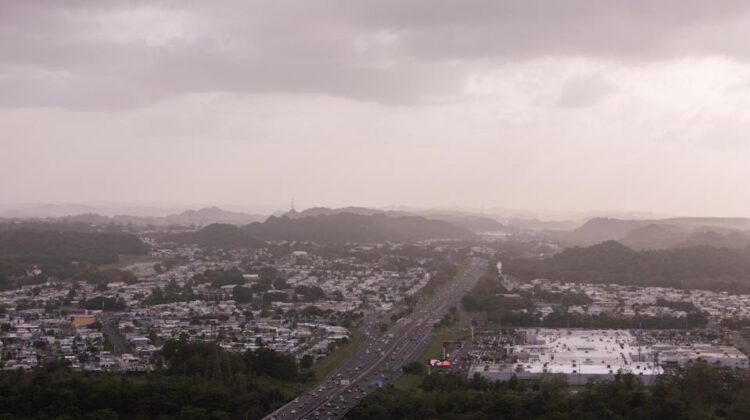
A massive cloud of dust from the Sahara Desert is currently smothering the Caribbean, marking the largest event of its kind so far this year as it continues en route to the United States.
Stretching nearly 2,000 miles (3,200 kilometers) from Jamaica past Barbados in the eastern Caribbean, and extending some 750 miles (1,200 kilometers) from the Turks and Caicos Islands southward to Trinidad and Tobago, this colossal dust plume has covered much of the region in a thick haze.
“It’s very impressive,” said Alex DaSilva, lead hurricane expert at AccuWeather.
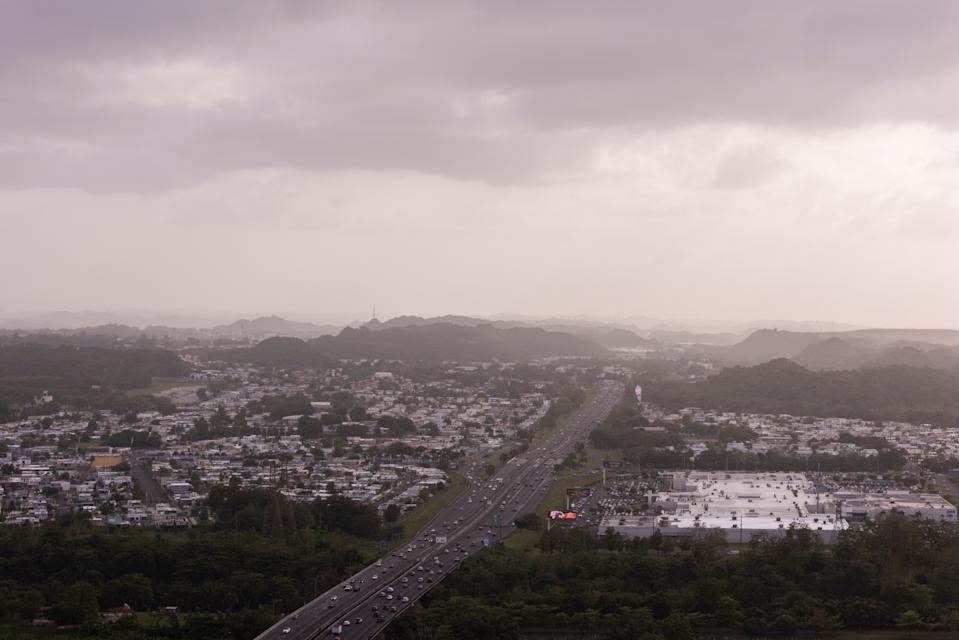
As the hazy skies rolled in, they triggered sneezing, coughing, and watery eyes across the islands. Local forecasters advised residents with asthma, allergies, and other respiratory conditions to stay indoors or wear face masks while outdoors due to the elevated dust levels.
The dust concentration has reached .55 aerosol optical depth, the highest measured so far this year, according to Yidiana Zayas, a forecaster at the National Weather Service in San Juan, Puerto Rico. The aerosol optical depth is a measure of how much sunlight is blocked by airborne particles, based on data from the U.S. National Oceanic and Atmospheric Administration (NOAA).
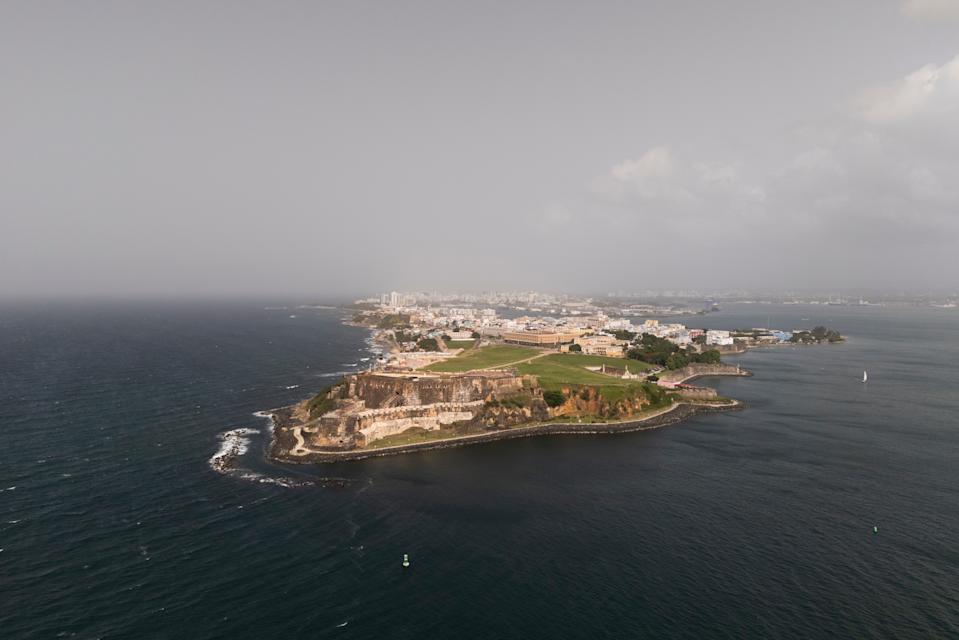
The Saharan dust plume is expected to arrive in parts of the United States, including Florida, Louisiana, Alabama, and Mississippi, later this week and into the weekend, DaSilva noted.
However, the concentration typically weakens after passing through the eastern Caribbean. “Those islands tend to see more of an impact, more of a concentration where it can actually block out the sun a little bit at times,” DaSilva added.
The Saharan Air Layer — the dry and dusty air mass that forms over the Sahara Desert — typically moves westward across the Atlantic Ocean from April through October. It plays a crucial role in suppressing the development of tropical waves, especially during the Atlantic hurricane season, which runs from June 1 to November 30.
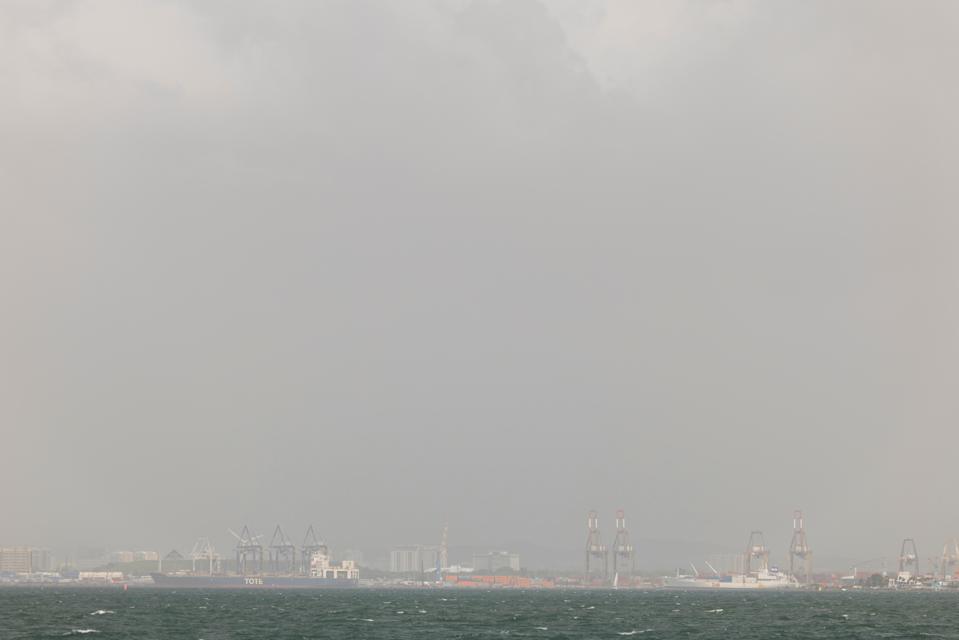
Historically, June and July see the highest dust concentrations, with plumes rising 5,000 to 20,000 feet above ground level, according to DaSilva.
Back in June 2020, a record-breaking Sahara dust cloud engulfed the Caribbean, with both its size and density unmatched in over 50 years. Meteorologists dubbed it the “Godzilla dust cloud.”
Leave a Reply