
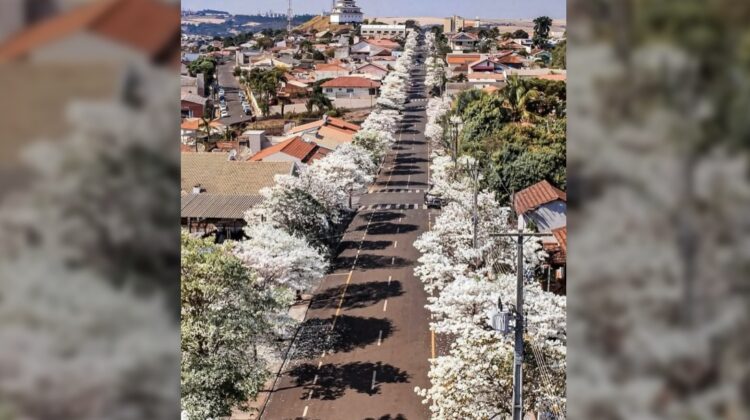
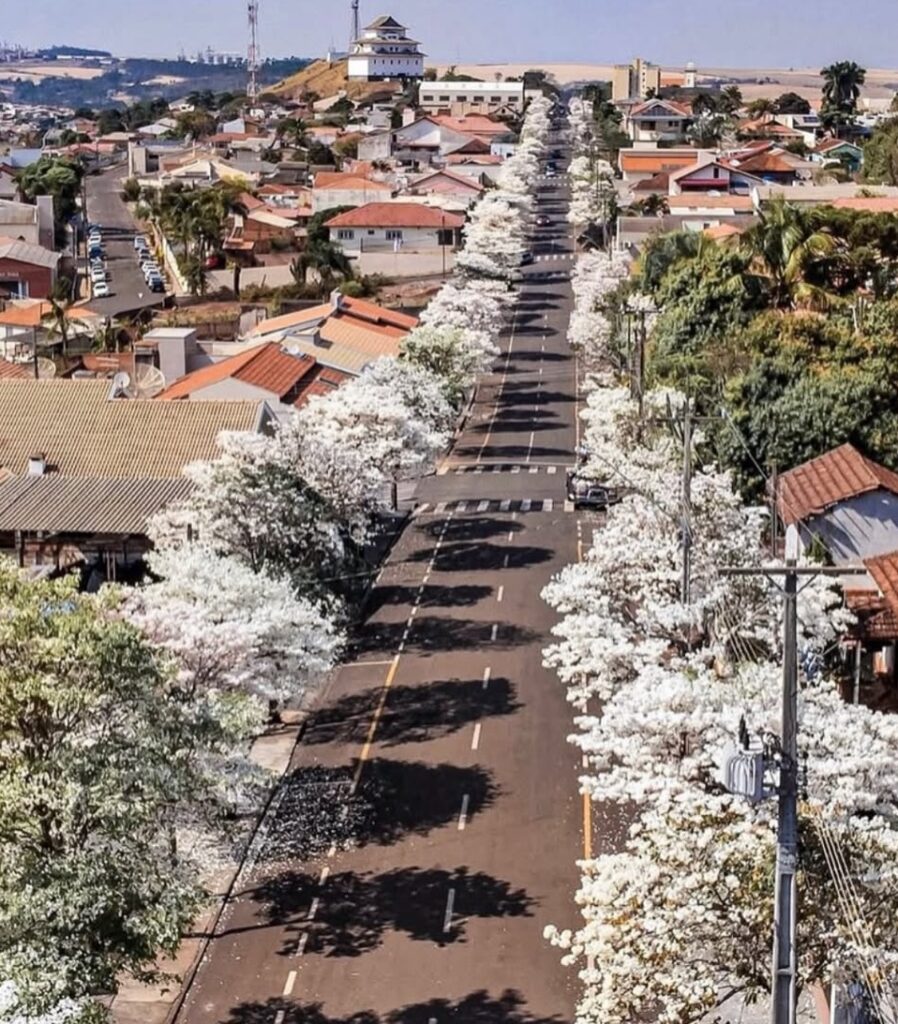
In the fertile plains of northern Paraná, Brazil, lies Assaí—a city whose quiet streets and agricultural fields tell a deeper story of migration, resilience, and cultural continuity. Founded in 1932, Assaí stands as one of Brazil’s most enduring examples of Japanese immigrant settlement outside Asia.
The city was established during a period of aggressive inland development, driven by the Companhia de Terras Norte do Paraná, a land development company tasked with transforming forested interior regions into productive agricultural hubs. Japanese immigrants, already experienced in intensive farming and cooperative land management, were seen as ideal settlers for this ambitious project.
The name Assaí comes from the Tupi-Guarani language, meaning “the fruit that cries,” a poetic reference to the açaí palm whose berries release juice when pressed. This indigenous name serves as a reminder that long before modern settlement, the land carried its own history—one layered beneath the farms and towns that followed.
Japanese Migration to Brazil: A Broader Context
Japanese immigration to Brazil began in 1908, driven by economic hardship in Japan and labor shortages in Brazilian agriculture following the abolition of slavery. By the 1930s, Brazil was home to the largest Japanese population outside Japan—a distinction it still holds today.
Many immigrants initially worked on coffee plantations under difficult conditions. Over time, however, they transitioned into land ownership, forming independent agricultural communities like Assaí. These settlements emphasized education, mutual aid, and long-term planning—values deeply rooted in Japanese rural culture.
Agriculture as Foundation
In Assaí, early settlers cleared dense forest and introduced structured farming systems. Crops such as coffee, cotton, rice, and later soybeans became economic pillars. Japanese techniques—crop rotation, soil conservation, irrigation control, and cooperative production—helped stabilize yields and improve land longevity.
This agricultural success played a role not only in Assaí’s survival, but in Paraná’s rise as one of Brazil’s most productive farming states.
Cultural Imprint Beyond the Fields
Japanese influence extended beyond agriculture. Community associations, language schools, and cultural centers helped preserve traditions such as matsuri festivals, martial arts, calligraphy, and cuisine. Architectural elements—clean lines, functional layouts, and garden spaces—subtly shaped the town’s visual identity.
Over generations, these traditions blended with Brazilian customs, creating a hybrid culture that is neither entirely Japanese nor entirely Brazilian—but distinctly Assaí.
Assaí Today
Today, Assaí is a modern Brazilian municipality with deep historical roots. While Portuguese is the dominant language and Brazilian culture prevails, Japanese heritage remains visible in surnames, festivals, agricultural practices, and community values.
The city represents a successful model of immigrant integration—where identity was preserved without isolation, and adaptation occurred without erasure.
A Living Example of Cultural Continuity
Assaí is not a museum of the past—it is a living system shaped by history. Its story challenges the idea that migration only reshapes people; it reshapes landscapes, economies, and identities. In a world increasingly defined by displacement, Assaí stands as proof that when migration is guided by cooperation, discipline, and respect for land, it can leave behind something lasting.
Leave a Reply