
If you’re a cat owner, you know the routine. You finally crawl into bed after a long day… and your cat is already there — stretched across your pillow or curled up exactly where you planned to sleep.
They don’t move. You negotiate for space.
It may seem like pure attitude, but feline behavior experts say there’s much more going on. When your cat chooses to sleep next to — or on top of — you, it’s actually a strong sign of trust, comfort, and emotional bonding.
Here’s what it really means.
1. They Feel Completely Safe With You
Cats are naturally cautious animals. Unlike dogs, they don’t automatically seek constant closeness. They carefully choose where they sleep because sleep makes them vulnerable.
If your cat picks your bed, they see you as a secure anchor in their world.
2. You’re Part of Their Territory
Cats are territorial by nature, and scent plays a major role in how they mark what feels “theirs.” Sleeping near you blends your scents together, reinforcing that you belong in their safe zone.
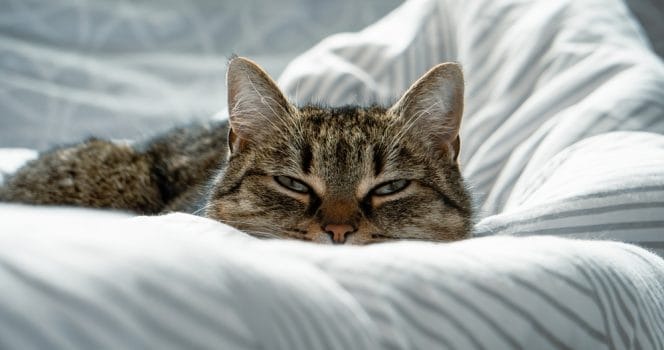
3. Your Warmth Is Irresistible
Cats love heat. Their normal body temperature runs higher than humans’, and they instinctively seek warm spots. Your body provides a steady source of warmth — making your pillow or chest prime real estate.
4. It’s the Most Comfortable Spot in the House
Soft mattress. Fluffy pillows. Thick blankets. From a cat’s perspective, your bed is luxury living. They’re not just choosing you — they’re choosing peak comfort.
5. Your Scent Calms Them
Cats rely heavily on scent for reassurance. Your smell on the sheets signals familiarity and safety, helping them relax more deeply — especially important in multi-pet households or homes with frequent visitors.
6. It’s a Quiet Sign of Affection
Cats don’t always show love loudly. Sleeping beside you is one of the most intimate ways a cat expresses attachment. It’s their version of saying, “I trust you completely.”
7. Instinct Still Guides Them
Even domestic cats retain survival instincts. In the wild, cats choose sleeping spots that feel secure, allow a quick escape if needed, offer warmth, and keep trusted companions nearby. You check all those boxes.
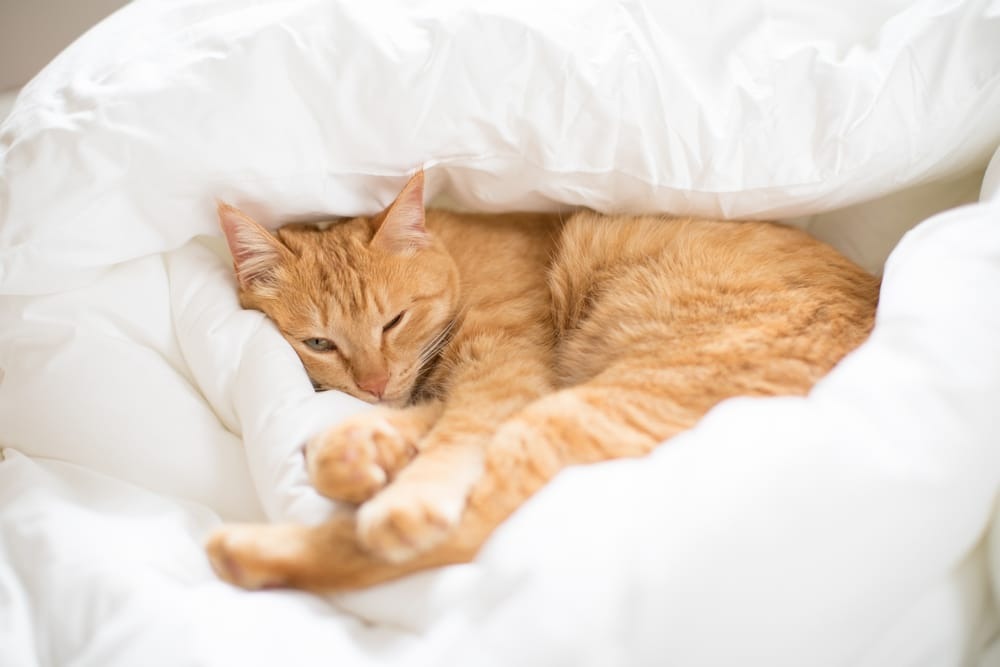
8. The Science: Cats Actually Bond Like Human Infants Do
This isn’t just a nice theory — it’s been tested. A 2019 study led by Dr. Kristyn Vitale at Oregon State University’s Human-Animal Interaction Lab, published in the journal Current Biology, used the same “secure base test” originally developed to study attachment in human infants and later adapted for dogs.
Cats spent time with their owner in an unfamiliar room, then two minutes alone, then were reunited. The results: about 65% of both kittens and adult cats showed a secure attachment style — nearly identical to the roughly 65% secure attachment rate seen in human infants. Securely attached cats were calmer upon reunion and balanced their attention between their owner and exploring the room, rather than seeming stressed or avoidant.
“The majority of cats are securely attached to their owner and use them as a source of security in a novel environment,” Vitale said of the findings — a notable contrast to the long-standing stereotype of cats as aloof or purely self-interested.
9. They May Sense Your Mood
Cats can pick up on subtle emotional cues. If you’re stressed, anxious, or feeling low, your cat may lie beside you more often — their steady presence and rhythmic purring can even have a calming effect, a pattern that has drawn growing interest in animal-assisted therapy settings.
10. Sometimes… They Just Like You
Not everything needs a complex explanation. Sometimes your cat steals your spot because you’re their favorite being in the house — and that’s where they want to be.
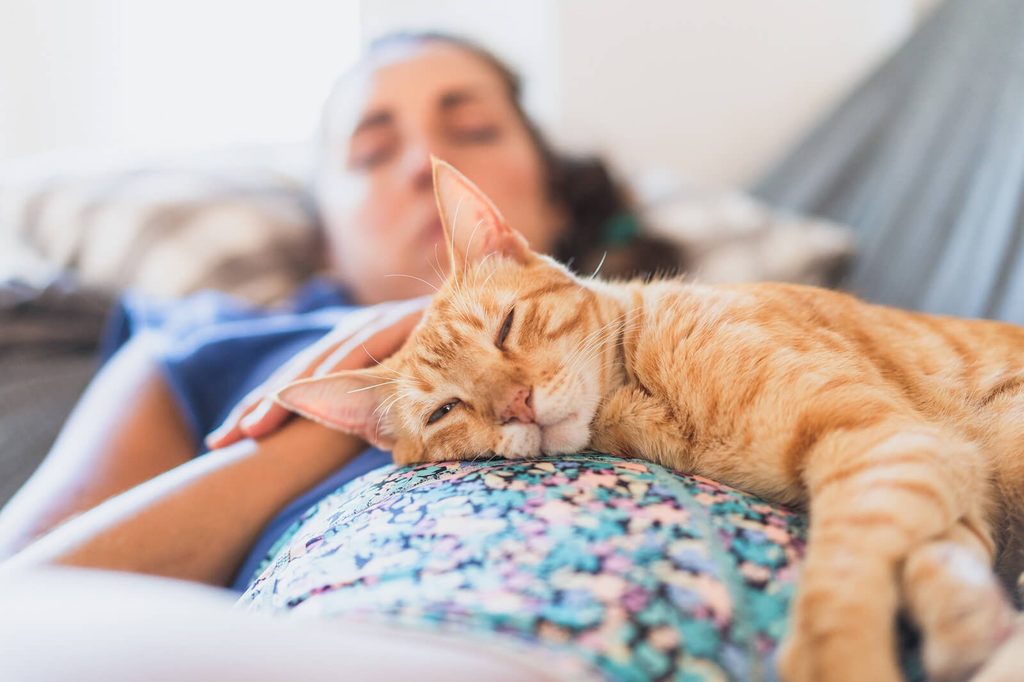
The Real Meaning Behind “Spot Stealing”
When your cat claims your pillow, they aren’t being bossy. They’re showing trust, comfort, emotional security, affection, and territorial bonding — all at once.
So the next time you find yourself squeezed into the corner of your own bed, take it as a compliment. You’re not losing space. You’re gaining proof that your cat feels completely safe and connected to you.
Frequently Asked Questions
Does it mean anything if my cat won’t sleep with me at all? Not necessarily — Vitale’s research found roughly a third of cats show an “insecure” attachment style, which can look like more independent or avoidant behavior; it doesn’t mean the cat lacks affection, just that their bonding style differs.
Is it healthy to let a cat sleep in your bed? For most healthy adults, there’s no inherent health risk, though people with allergies or certain immune conditions, and households with very young infants, are sometimes advised by pediatricians or allergists to keep pets out of the bed.
Can a cat’s attachment style change over time? Vitale’s research found attachment styles tend to remain fairly stable over time, even after training or socialization efforts — suggesting it’s established relatively early rather than something that shifts easily.
Source: Vitale, K.R., Behnke, A.C., & Udell, M.A.R. (2019). “Attachment bonds between domestic cats and humans.” Current Biology, 29(18). Oregon State University.
Leave a Reply