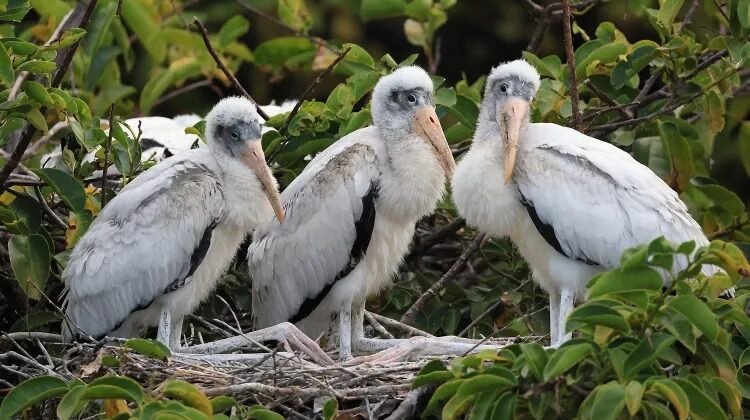
When a Florida couple bought a 45-acre swamp beside their home, their goal was simple: keep it from being developed. Years later, that wetland had become a nesting site for hundreds of wood storks, along with herons, alligators and many other animals. Here is how it happened, and what their story shows about the role of private landowners in wildlife conservation.
A Swamp Saved From Development
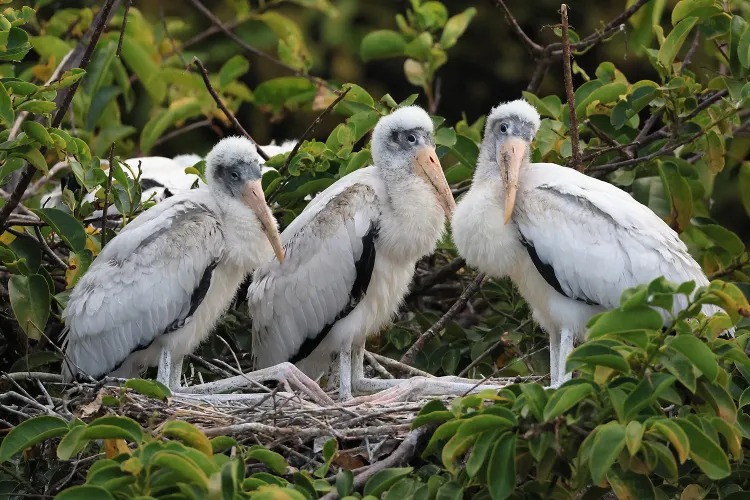
Jim Stevenson, a retired state park biologist, and his wife Tara Tanaka, a wildlife photographer, bought the cypress swamp next to their home near Tallahassee, Florida, to protect it. According to a report by the U.S. Fish and Wildlife Service, the property was home to 275 nesting wood storks, along with other wildlife, at the time of the report.
The change didn’t happen overnight. Even before buying the land, Stevenson had been working to keep the swamp healthy. He paddled a canoe into the water to remove invasive Chinese tallow trees by hand so that wood storks could feed there.
Years of Habitat Care
Over time, Stevenson kept tending the property. He used prescribed burns on the surrounding land and brought in equipment to clear thick vegetation that threatened to cover the swamp’s open water. He also built a small island where the resident alligators could bask in the sun.
The alligators serve another purpose. Their presence helps discourage raccoons from raiding wood stork nests, which gives the birds a better chance of raising their young.
Who Lives in the Swamp?
Tanaka has spent years photographing and filming the animals that visit, and she recognizes some of the birds that return each season. Wildlife reported on or around the property includes:
- Wading birds: great blue herons, great egrets, little blue herons and green herons
- Nesting birds: anhingas, wood ducks and black-bellied whistling ducks
- Occasional visitors: roseate spoonbills
- Mammals nearby: bobcats, foxes, otters, beavers, coyotes and marsh rabbits
About Wood Storks
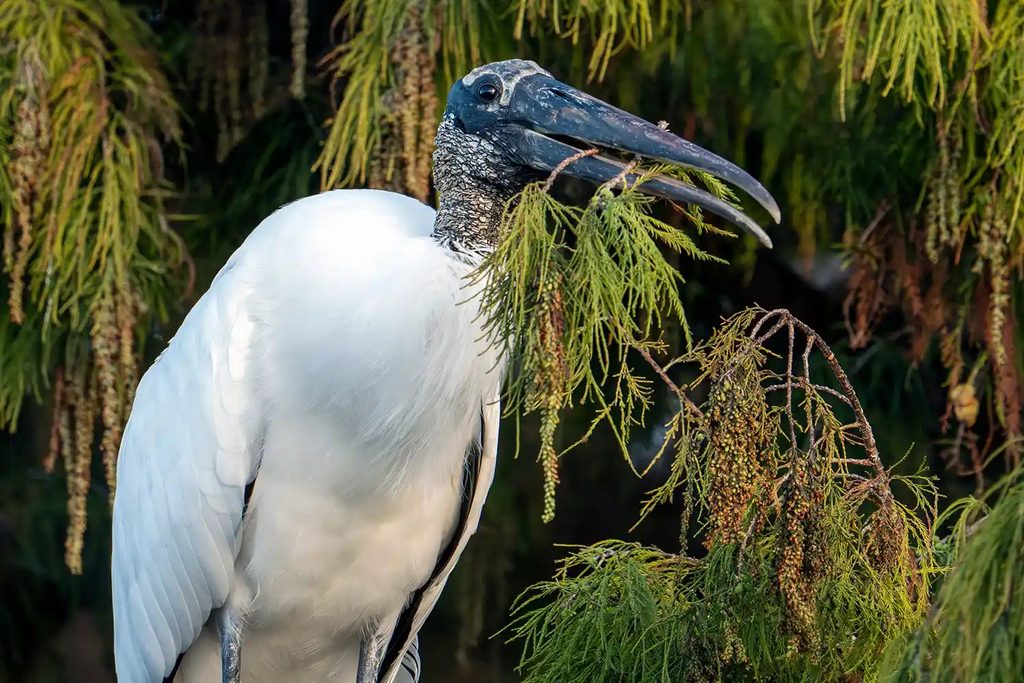
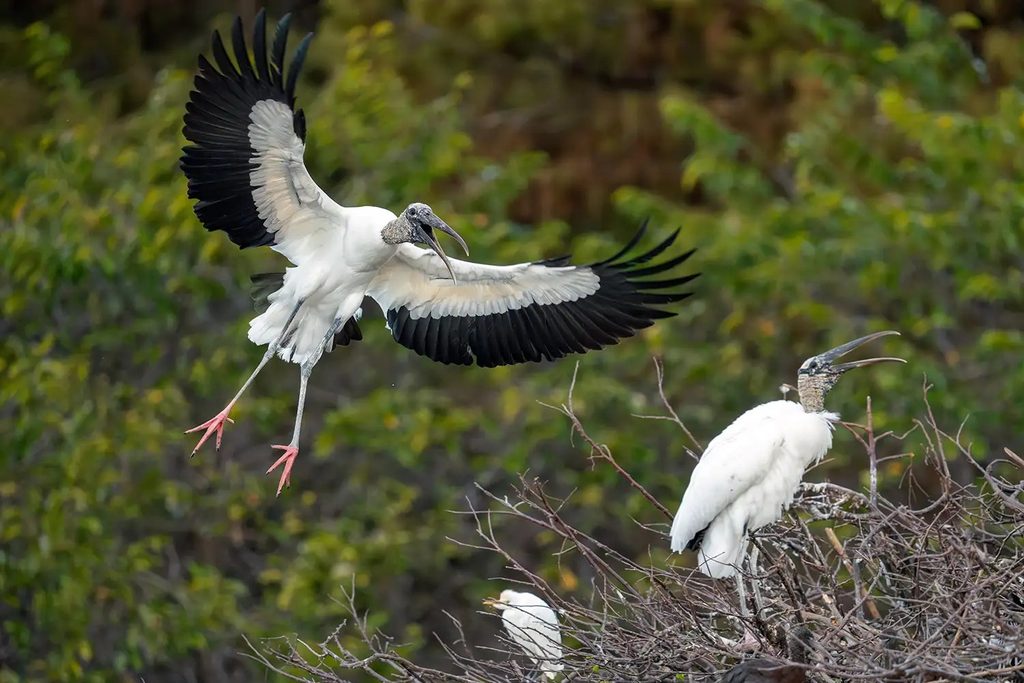
Wood storks are large white wading birds with dark, featherless heads and long bills. Their numbers fell sharply in the past century in their traditional nesting grounds in the Everglades. Breeding pairs dropped from about 20,000 to under 5,000, and federal officials listed the species as endangered. After years of conservation work across the southeastern United States, the breeding population recovered to at least 10,000 nesting pairs, according to the report. The species has since been reclassified from endangered to threatened, a sign of progress.
Protecting the Land for the Future
To make sure the sanctuary stays protected, the couple secured a permanent conservation easement through the Apalachee Land Conservancy. A conservation easement is a legal agreement that places lasting limits on development and on activities that could harm the land. Tanaka said the rules are strict: no shooting, no fishing, and even the frogs are protected.
The couple also shared what they learned. Before the pandemic, they held classes for other private landowners about native plants, prescribed burns and land management, and the sessions regularly drew 45 to 50 participants. Tanaka said she believes privately owned natural and restored lands managed by caring owners will need to play a role in wildlife protection in the future.
What This Story Doesn’t Tell Us
It’s worth keeping some context in mind:
- The wood stork’s recovery is the result of conservation work across many states, not just this one swamp. The couple’s sanctuary is an inspiring example, but not the whole explanation.
- The nesting numbers come from one report and reflect a particular time. Counts can change from season to season.
- Prescribed burns and removing invasive trees are tasks for trained professionals and require permits and safety planning, so they aren’t something to attempt on your own.
How You Can Help Wildlife Where You Live
- Plant native species. Native plants for wildlife support birds, insects and other animals.
- Learn about invasive species. Ask your local extension office or wildlife agency for advice before removing them.
- Protect wetlands. Avoid draining, filling or polluting wetlands on or near your property.
- Explore conservation easements. A local land trust can explain how an easement works and whether it fits your land.
- Give wildlife space. Keep a respectful distance from nesting birds, and don’t disturb them.
Support Wetlands and Wildlife
- Donate. Compare land trust donations, wetland conservation charities and bird conservation organizations.
- Get outdoors. Browse birdwatching binoculars, spotting scopes and bird identification field guides.
- Capture wildlife responsibly. A wildlife photography camera with a zoom lens lets you watch from a distance.
- Visit wetlands. Look into Everglades wildlife tours, birdwatching tours and eco-friendly travel packages, and consider travel insurance for longer trips.
Frequently Asked Questions
What did the couple do? They bought a 45-acre cypress swamp near their home to protect it, managed the habitat and secured a permanent conservation easement.
How many wood storks nest there? A U.S. Fish and Wildlife Service report counted 275 nesting wood storks.
Why are alligators helpful? Their presence helps discourage raccoons from raiding wood stork nests.
What is a conservation easement? A legal agreement that permanently limits development and harmful activities on a property.
Sources: Futura Sciences, U.S. Fish and Wildlife Service, PEOPLE
Leave a Reply