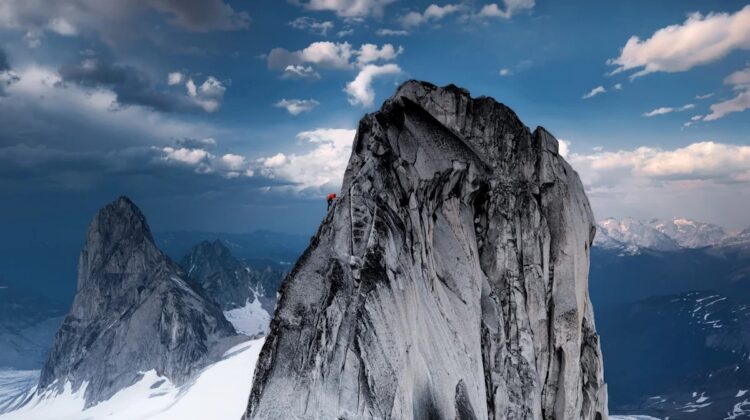
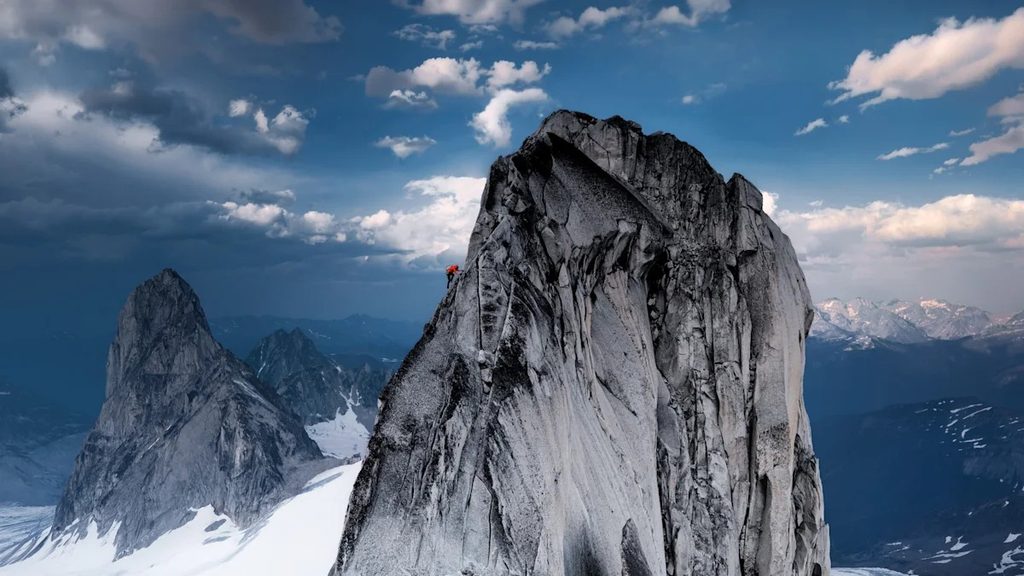
A mountain landscape so striking that it looks almost unreal, taken with a smartphone. A photo by renowned adventure photographer and filmmaker Jimmy Chin, shot on an iPhone 18 Pro in Canada’s Bugaboo Provincial Park, has been chosen for Time’s list of the top 100 photos of the year. Its story is a reminder that a great landscape photograph depends on far more than the camera.
The Photographer
Jimmy Chin is a National Geographic photographer and an Academy Award-winning filmmaker, best known as a director of Free Solo. He has spent decades photographing climbers and mountains in some of the most remote places on Earth. That experience, as the original coverage points out, helped a little with this particular image.
The Image
Chin took the picture in Bugaboo Provincial Park in Canada, a rugged alpine area known for its granite spires and for climbing. The photo is part of a series of images that he shot entirely on the iPhone 18 Pro. Another photograph from the series, titled “Untitled 04,” shows the same subject: the rock climber and mountaineer Conrad Anker.
Why Working Alone Mattered
According to Chin, having no crew or extra equipment was an advantage. He explained in a statement that a production puts something between the photographer and the person in front of the lens, such as gear and crew. Working this way, he said, there was “no apparatus,” just the two of them, which is the only situation in which that kind of ease appears in a frame.
The Exhibition
The photographs were first shown in an exhibition called What Holds Us, organized by Apple, which also features work by artists Alex Prager and Jack Davison, all taken with the iPhone 18 Pro. After its debut in New York, the exhibition was scheduled to travel to the Saatchi Yates gallery in London. Dates for that show change, so check the gallery’s website before planning a visit.
What We Don’t Know
Several details aren’t in the reports. They don’t describe the technical settings Chin used, whether the images were edited afterward or how many of his photos from the series were selected. The exhibition is organized by Apple, so the story also functions as promotion for the device, and a photograph’s quality depends mostly on the photographer’s skill, light and composition.
What the Photo Teaches Us About Landscape Photography
Whatever camera you carry, you can borrow several principles from experienced mountain photographers:
- Chase good light. The hours around sunrise and sunset, known as the golden hour, create warm, soft light and long shadows.
- Look for scale. Including a person in a vast landscape helps viewers understand how big the mountains are.
- Keep your lens clean. A smudge on a phone lens is the most common reason for a hazy photo.
- Keep it simple. Strong compositions often have one clear subject, with leading lines and some empty space.
- Be patient. Weather and light change quickly in the mountains, and the best moment may last only seconds.
- Stay safe. No photo is worth a fall, so respect weather, terrain and your own limits.
About the Bugaboos
Bugaboo Provincial Park lies in the Purcell Mountains of British Columbia. It is celebrated for its towering granite spires, glaciers and alpine meadows, and it attracts climbers and hikers from around the world. Mountain environments are fragile, and visitors are asked to follow park rules, stay on trails where required and leave no trace.
Photographing the Outdoors
Outdoor photographers, including those who shoot on phones, often compare phone camera lenses, a lightweight travel tripod and a phone gimbal, invest in photography courses and mountain hiking gear and buy travel insurance for trips to remote parks, while many enthusiasts also look into Canada mountain travel packages.
Frequently Asked Questions
Who took the photo? Jimmy Chin, a National Geographic photographer and Academy Award-winning filmmaker.
Where was it taken? In Bugaboo Provincial Park, Canada.
What camera was used? An iPhone 18 Pro, according to the coverage.
Who is in the photographs? Rock climber and mountaineer Conrad Anker.
Sources: Time, Apple