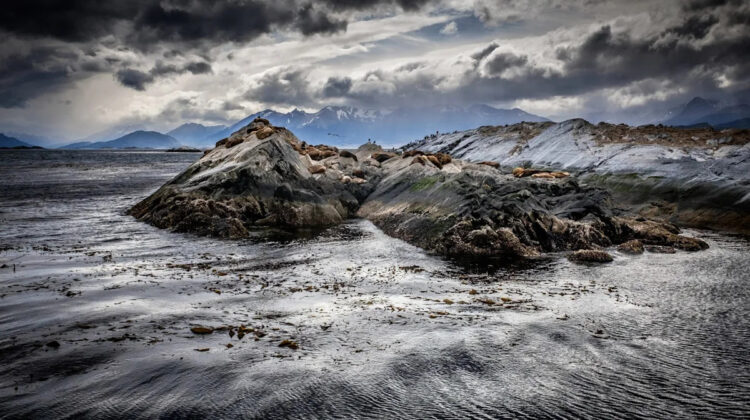
In 1873, while hunting penguins for oil, the famed Argentine sailor Luis Piedra Buena wrecked his schooner brig Espora off the southern tip of South America. He and his crew regrouped on a deserted beach, spent about two months building a new cutter named the Luisito, and sailed safely to Chile to tell their story. Now researchers believe they may have found pieces of a shipwreck and the remains of a “castaway camp” possibly tied to Piedra Buena on Isla de los Estados, an island often described as being at the end of the world.
A Survival Story Tested After More Than 150 Years
In a new study published in the journal Antiquity, lead author Nicolás Ciarlo of Spain’s University of Cádiz and his colleagues describe how their research into the island’s maritime history led them to the camp. The island lies across the Strait of Le Maire from the tip of Tierra del Fuego. The team believes the camp may link the island’s Lacroix Inlet, in Franklin Bay, to the more than 150-year-old survival story.
Isla de los Estados is probably best known for a lighthouse that inspired Jules Verne’s novel The Lighthouse at the End of the World. It forms the easternmost point of Argentina’s Tierra del Fuego Province, and from the 17th century onward it lay along a key sailing route. By 1870, the Argentine government had granted the island to Piedra Buena. He never established a settlement there, although he sailed past it countless times while pursuing his interests across Patagonia. Then disaster struck. According to the study, he and his crew lost the Espora during a campaign to exploit penguins for oil.
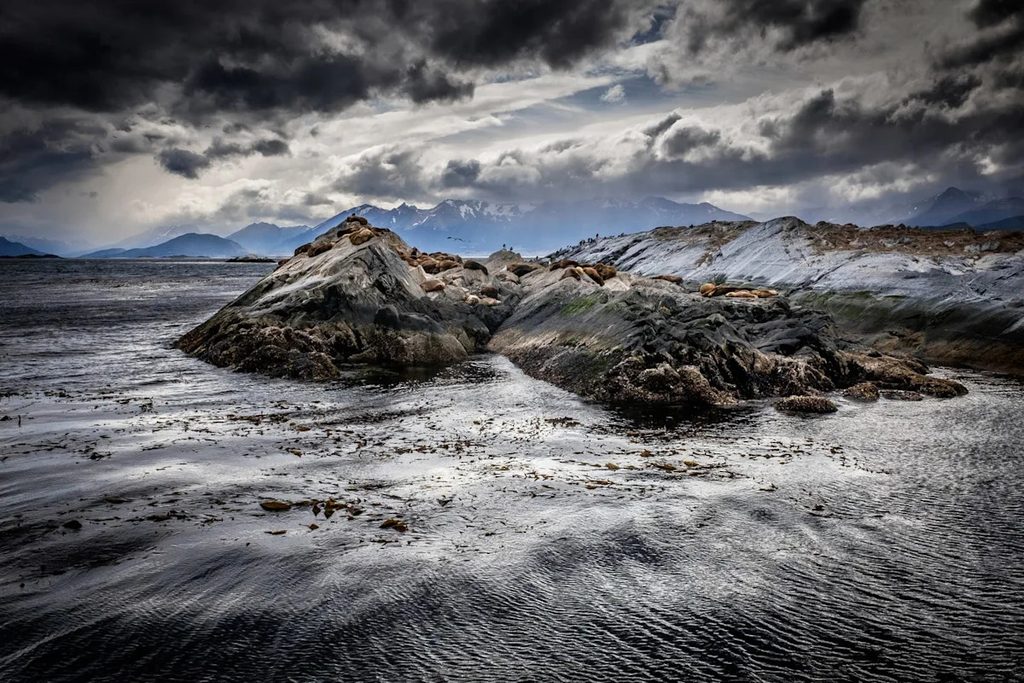
The crew survived, built a cutter and sailed to Punta Arenas, Chile, where Piedra Buena described the time they had spent at Lacroix Inlet. Experts have long doubted that he identified the location correctly. To test his account, the research team visited the inlet in January 2026 with help from the Argentine Navy. On a wind-battered stretch of coast at the base of a cliff, exposed to strong southwesterly storms, they found the remains of a shipwreck and a temporary camp. The possible castaway camp sat near a stream.
What the Team Found and What Remains Unanswered
The authors wrote that although there is still no common agreement, Piedra Buena’s account and other documents suggest this bay is likely where the Espora sank. They argue that the location and material culture of the temporary occupation point to a connection between the site, the nearby shipwreck remains and possibly the Espora and her crew.
At the camp, which the team described as a short-term occupation, they found glass beads, buttons and a bottle, along with nautical items such as a deck prism and a rudder hinge. Elsewhere in the inlet lay the remains of three wooden hulls, including timber that may have been used to build a structure. All the wood likely came from ships’ hulls, but it is unclear whether it came from the same vessel. The team called the finds novel data on the history of seafaring around the island, and their preliminary assessment points to at least one shipwreck that led to a temporary settlement. They added that the identity of the vessels and the castaways’ paths are still being investigated, and a thorough study of the timbers may provide definitive answers.
Ciarlo told Discover Magazine that the deck glass found on the surface is one of the most revealing artifacts. He compared identifying the Espora, as with other shipwreck sites, to putting together a puzzle: it relies not on a single proof but on a critical analysis and merging of multiple lines of evidence.
Questions remain. The authors acknowledged that they found no trace of the site where the Luisito was built, and it is unclear whether the Espora was ever completely taken apart. More work is needed at the camp and on the shipwrecks in the weather-beaten inlet. Ciarlo told Phys.org that being in such an isolated and wild place allowed the archaeologists to taste what a small group of castaways saw and felt about 150 years ago.
Frequently Asked Questions
Who was Luis Piedra Buena? He was a famed Argentine sailor who wrecked his schooner brig Espora in 1873 while hunting penguins for oil. He and his crew built a new cutter, the Luisito, over about two months and sailed to Chile.
What did archaeologists find on Isla de los Estados? In January 2026, a team found the remains of a shipwreck and a temporary camp at Lacroix Inlet, including glass beads, buttons, a bottle, a deck prism, a rudder hinge and the remains of three wooden hulls.
Is it confirmed that the camp belonged to the Espora’s crew? Not yet. The researchers say the evidence points to a possible connection, but they found no trace of where the Luisito was built, and further study of the timbers and the site is needed.