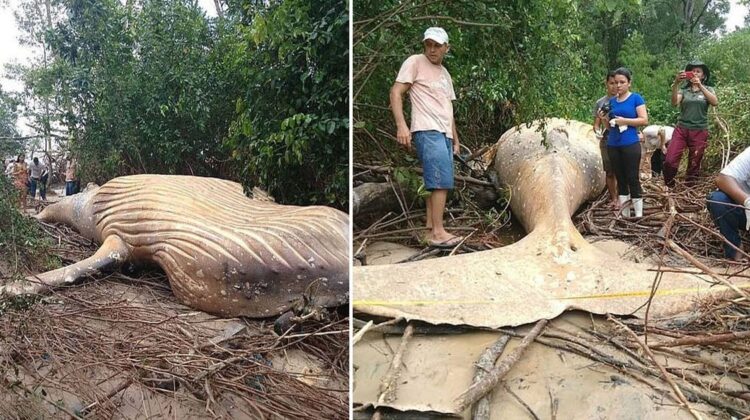
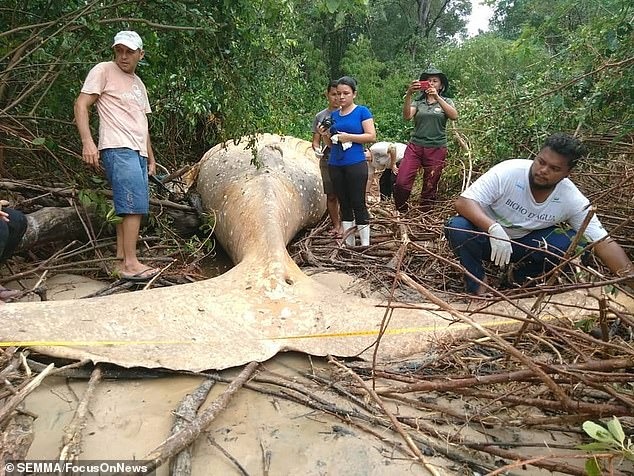
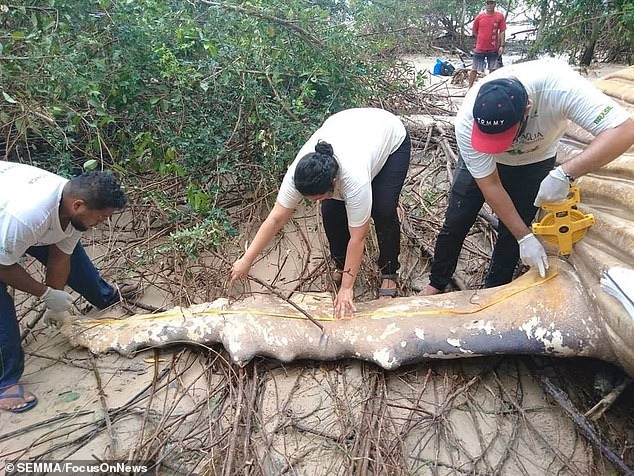
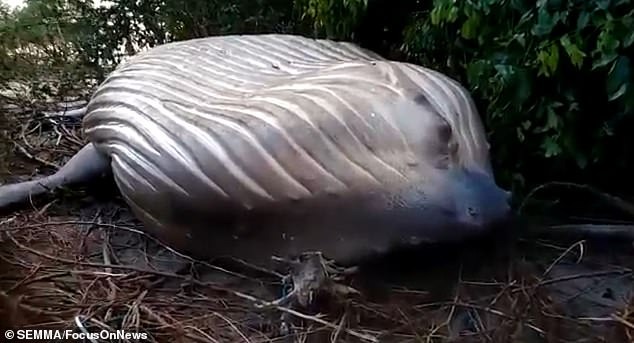
Roughly 10 kilometers from the Sirena Ranger Station, deep inside Corcovado National Park on Costa Rica’s Osa Peninsula, the moss-covered skeleton of a humpback whale lies scattered across the rainforest floor. At first glance, it looks impossible — a marine giant, resting where no ocean has reached in living memory.
How a Whale Ends Up in a Rainforest
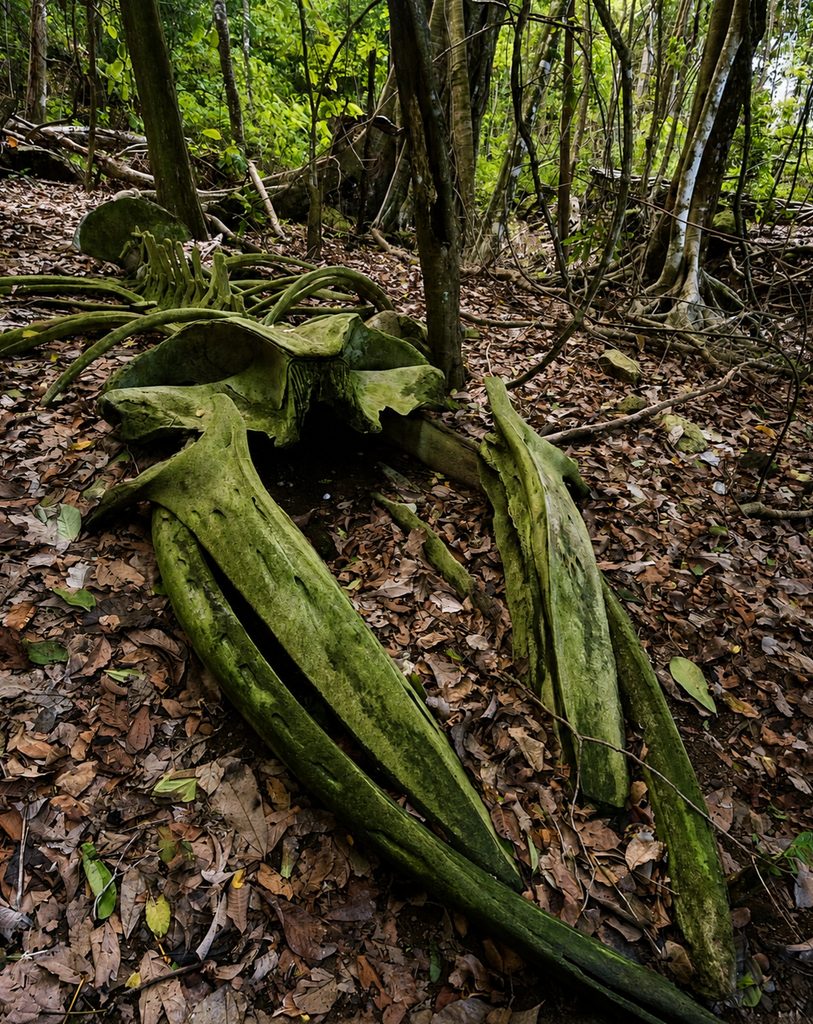
The skeleton almost certainly isn’t as far from the ocean as it first appears. Corcovado’s coastal rainforest grows in extremely close proximity to the shoreline in many areas, and the most likely explanation is that the whale washed ashore — whether it died at sea and drifted in, or stranded directly on the beach — and was gradually reclaimed by the forest’s edge over time, aided by tides, storm surges, or simply the passage of years as vegetation grew in around the remains.
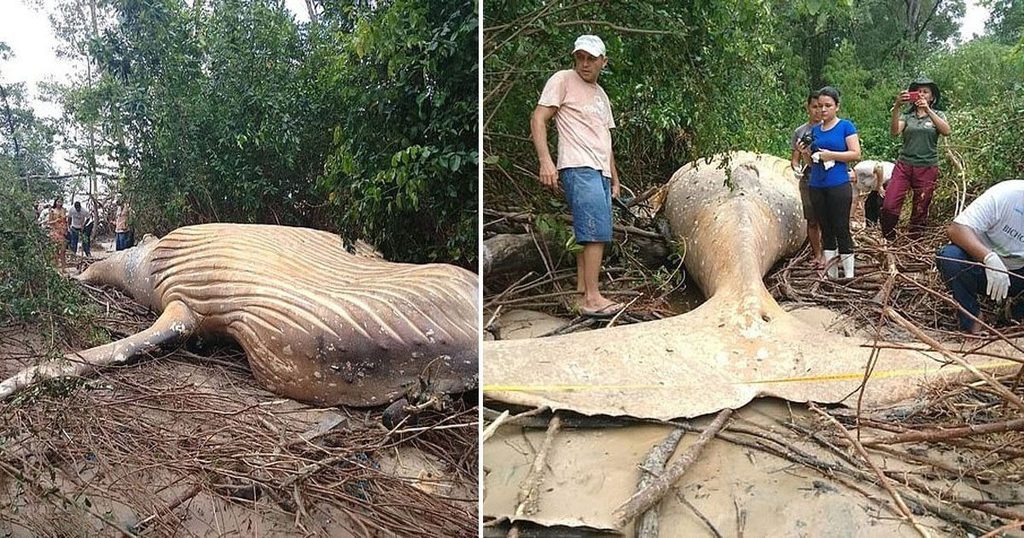
What’s notable is how quickly Corcovado’s ecosystem does this kind of reclaiming. The park is widely regarded as one of the most biologically intense places on Earth — National Geographic has described it as home to the largest remaining patch of primary rainforest on Central America’s Pacific coast — and that biodiversity extends to an extremely active community of decomposers, scavengers, and fast-growing vegetation capable of stripping and overgrowing large remains within a relatively short window.
Why Whales Are Here in the First Place
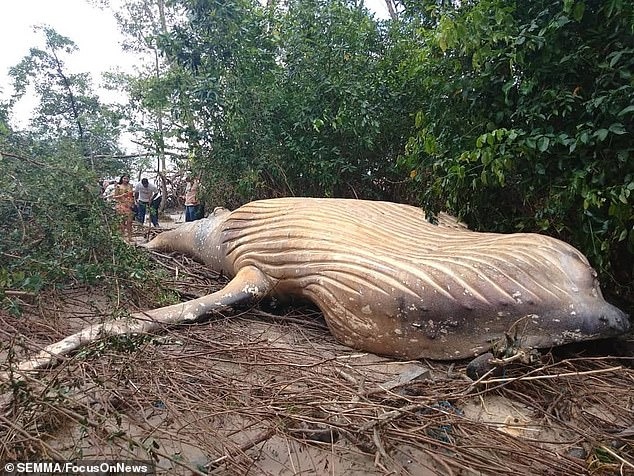
The skeleton’s presence isn’t a fluke of geography — Corcovado sits along one of the most significant humpback whale corridors on the planet. According to whale-watching operators and researchers working in the region, Costa Rica’s Pacific coast hosts what’s often described as the longest humpback whale season in the world, for a genuinely unusual reason: it receives two separate humpback populations in the same calendar year.
- Southern Hemisphere humpbacks migrate roughly 5,000 miles from Antarctic feeding grounds, arriving between July and November.
- Northern Hemisphere humpbacks arrive separately from Alaska and the North American west coast, typically between December and March.
Both populations are drawn to the same sheltered, warm waters — particularly nearby Golfo Dulce, one of only a handful of tropical fjords in the world — to mate, give birth, and nurse calves before continuing their migrations. Almost nowhere else on the planet hosts both hemispheres’ humpback populations in the same year, which is what gives the Osa Peninsula its near year-round whale presence.
What Happens to a Whale After Death
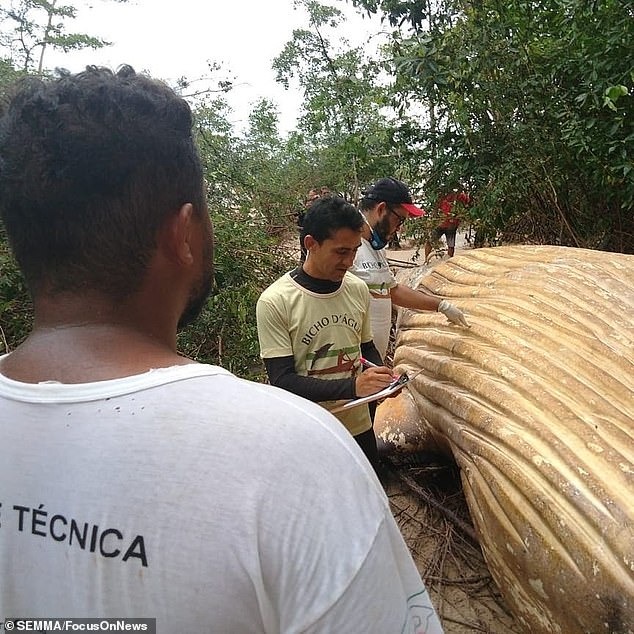
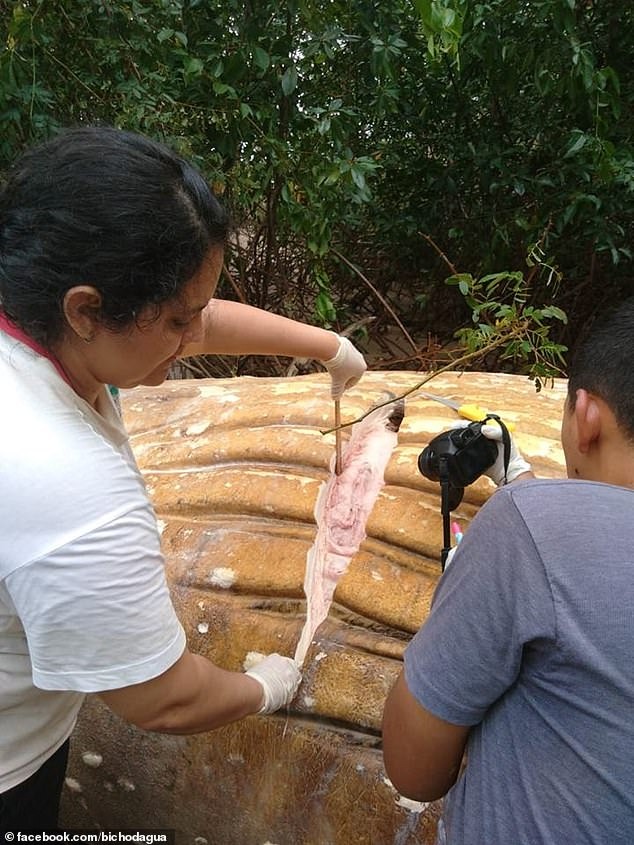
When a whale dies at sea and isn’t scavenged and consumed entirely by sharks and other marine life (a process marine biologists call a “whale fall” when it happens on the ocean floor), a carcass that washes ashore instead becomes a significant, if less studied, event for a coastal ecosystem. Scavengers, insects, and decomposing bacteria break down soft tissue relatively quickly in a humid tropical environment, while the dense skeletal structure — a humpback’s skull and rib bones can each weigh hundreds of pounds — remains far longer, gradually settling into the forest floor as surrounding plant life grows over and around it.
A Reminder of Corcovado’s Reach
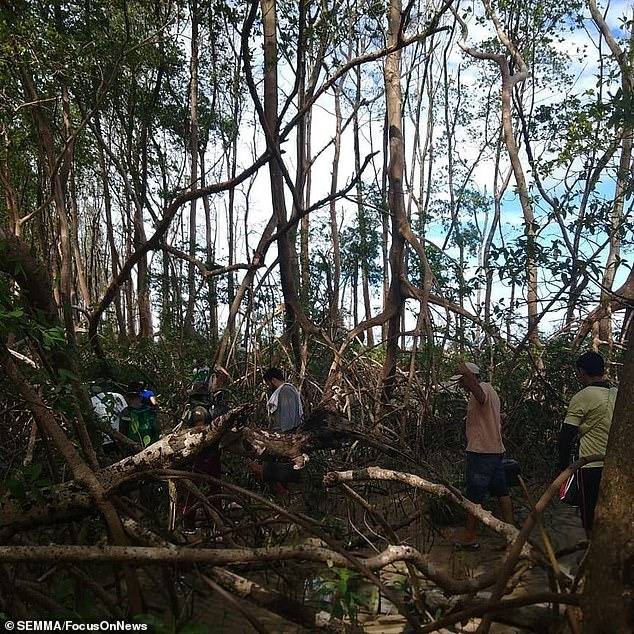
For visitors, the skeleton has become an unexpected landmark on treks near Sirena — a striking, slightly eerie sign of just how tightly Corcovado’s rainforest and the Pacific Ocean are intertwined. The park is only accessible with a licensed guide, and multi-hour hikes or boat approaches from Drake Bay or Puerto Jiménez are typically required to reach the Sirena area at all, making the whale remains a genuine off-the-beaten-path discovery rather than a roadside attraction.
Frequently Asked Questions
How did the whale actually die? It isn’t publicly documented — the skeleton’s exact cause of death and how long it’s been in place aren’t part of any official park record that’s been made public, so its history beyond “likely washed ashore” remains uncertain.
When is the best time to see live humpback whales near Corcovado? The southern humpback season, roughly late July through November, generally offers the highest whale numbers, including newly arrived mothers with calves, according to regional whale-watching operators.
Can visitors easily hike to see the whale skeleton themselves? Corcovado requires a licensed guide for all park access, and reaching the Sirena area specifically typically involves a multi-hour hike or a boat transfer from Drake Bay — it’s a genuine backcountry destination, not a casual walk-up site.
Sources: National Geographic, Tico Times, Nicuesa Rainforest Lodge, and Osa Peninsula tourism operators, cited above.
Leave a Reply