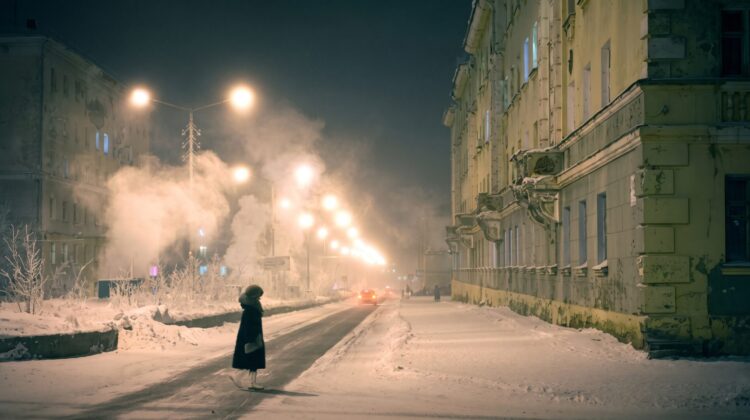
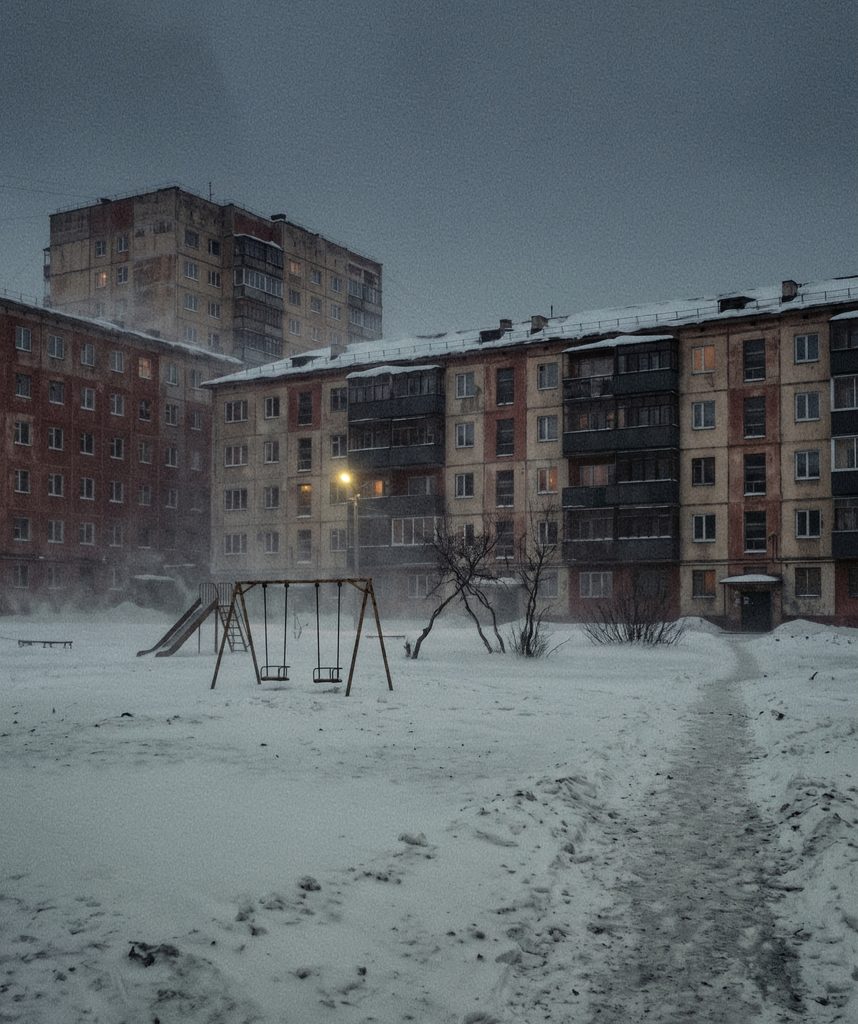
Hundreds of kilometers north of the Arctic Circle, rows of apartment blocks stand beside smokestacks, smelters and mine heads. Norilsk is one of the most remote cities of its size on Earth, built around some of the world’s richest deposits of nickel, copper and palladium. Its extreme climate is only part of the story. The city has also become a case study in how heavy industry can transform a fragile Arctic landscape.
A City Built on Metal
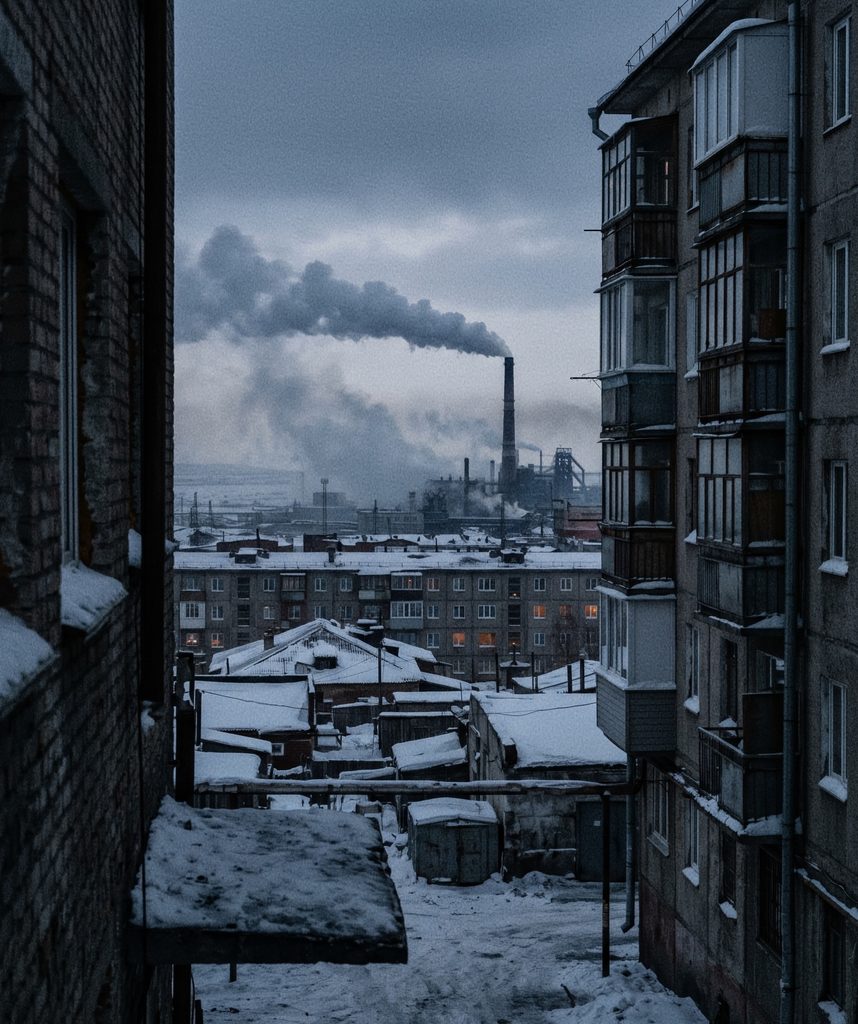
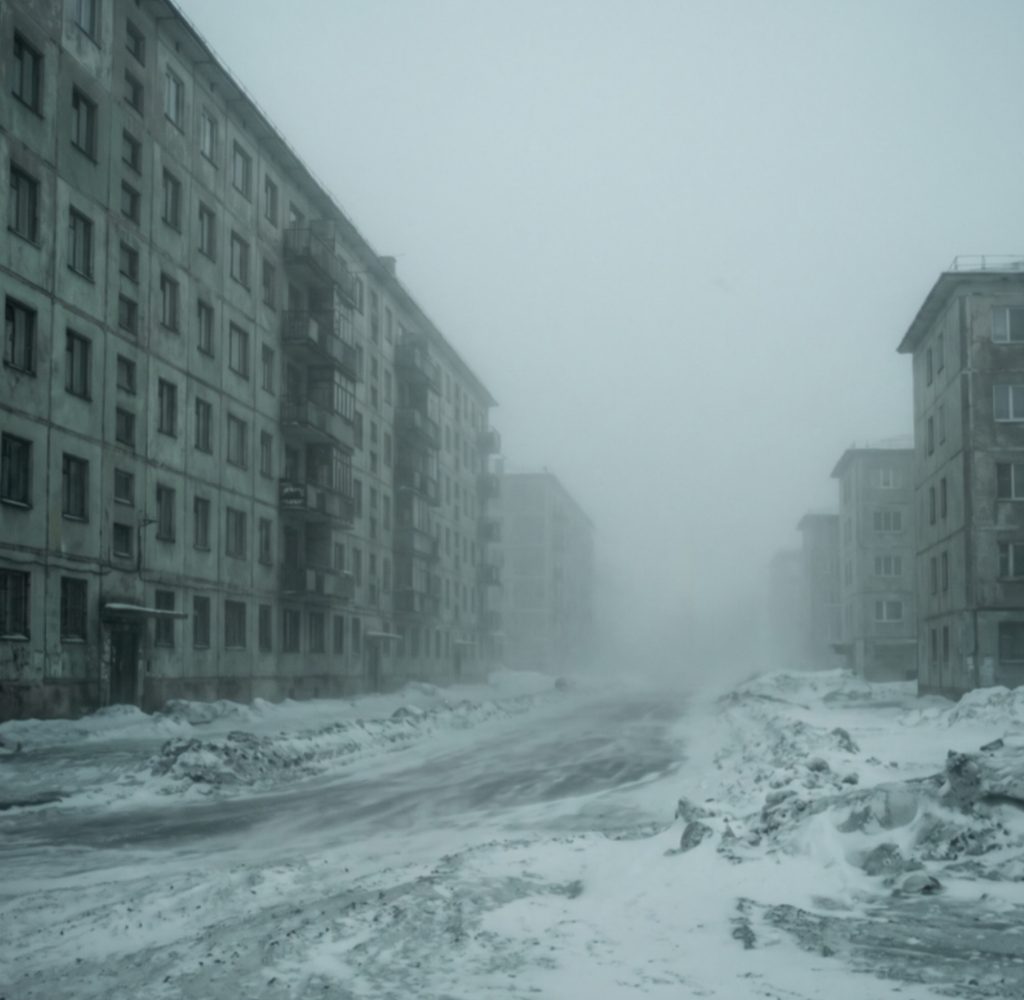
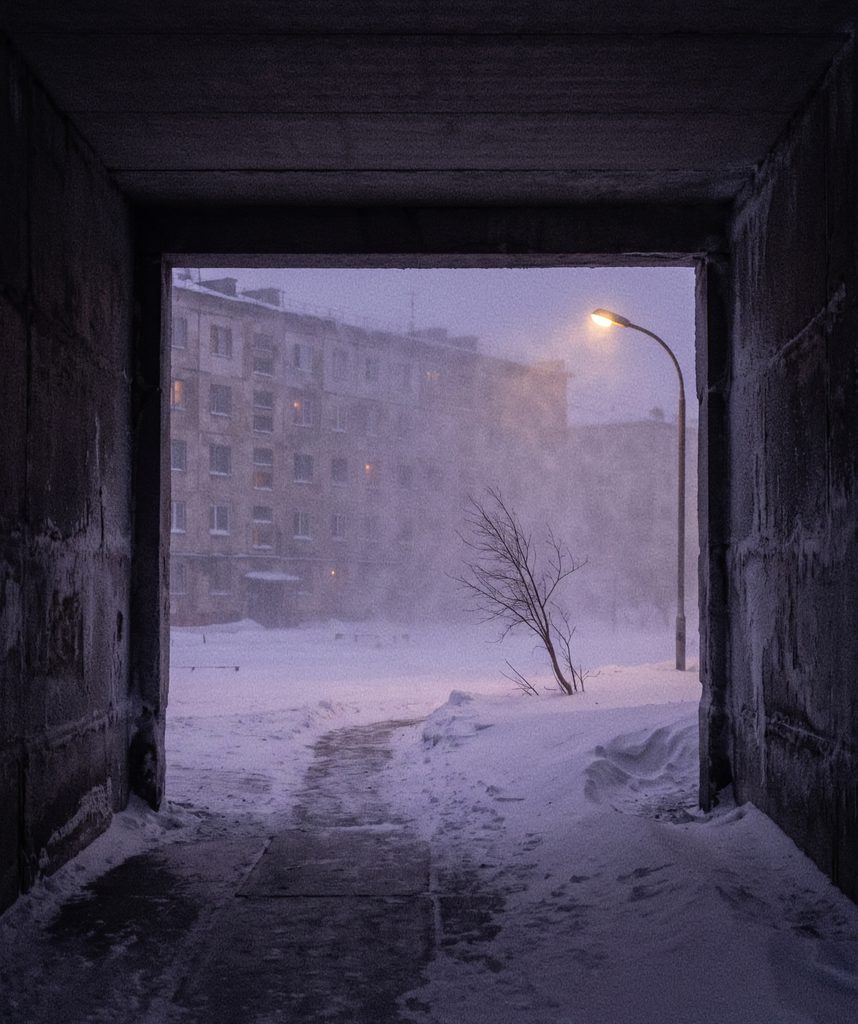
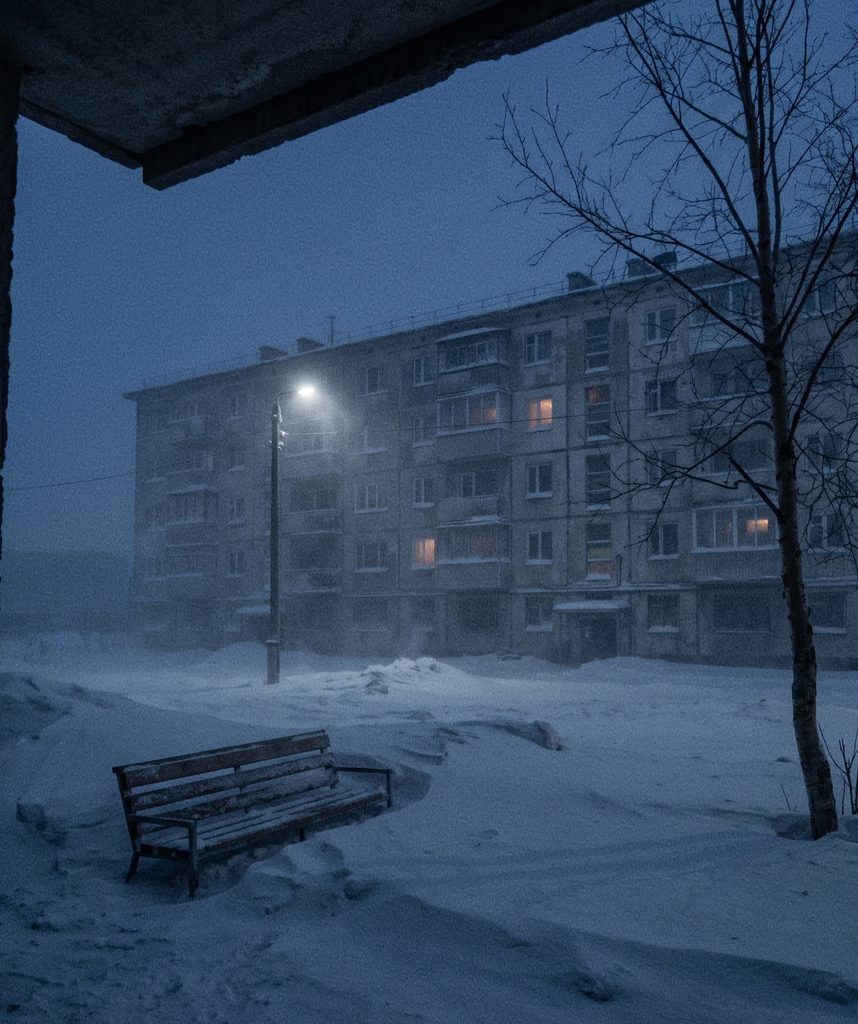
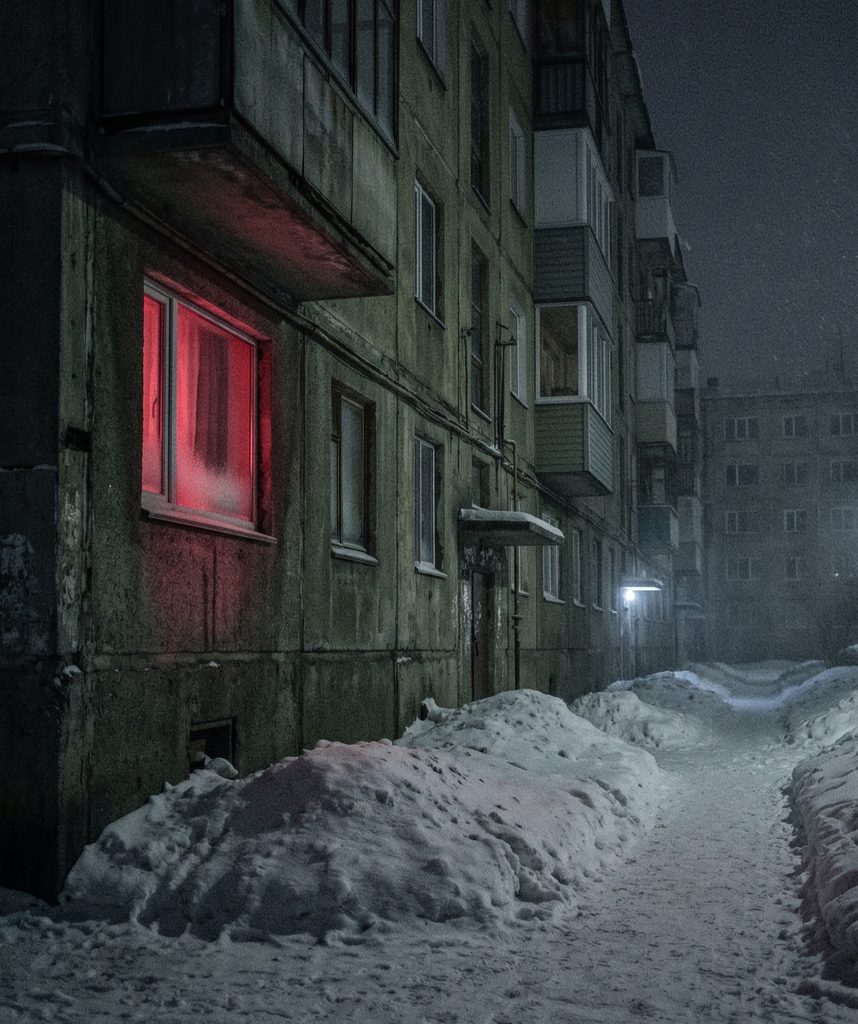
Norilsk lies in northern Siberia, around 300 kilometers north of the Arctic Circle. Mining and metal processing, today run by the company Nornickel, have shaped its history, economy and landscape. Winter brings bitter cold, powerful snowstorms and a long polar night, with weeks when the sun doesn’t rise above the horizon, and in summer the sun can shine around the clock.
The metals produced here are used worldwide, including in stainless steel, batteries, electric vehicles and clean-energy equipment, which adds a complicated twist to the debate about its environmental cost.
A Giant Source of Sulfur Dioxide
Processing sulfide ores releases sulfur dioxide, a gas that irritates the lungs and causes acid rain. Satellite measurements and environmental groups have identified Norilsk’s smelters as the world’s largest single source of human-made sulfur dioxide, with annual emissions reported at around two million tons, although the figures vary by year and by source.
Reporting by Inside Climate News and others describes an area of roughly 5.9 million acres of dead or dying boreal forest downwind of the complex, a scar larger than the U.S. state of New Jersey cut into the largest forested region on Earth. Boreal forests, also known as taiga, store large amounts of carbon, which makes the loss globally significant.
A Major Fuel Spill
In a separate incident, a fuel storage tank at a power plant near Norilsk collapsed, releasing about 6.5 million gallons (around 20,000 tons) of diesel into nearby waterways that flow toward the Kara Sea. It is widely described as the largest oil spill in Arctic history. Investigators and reporters linked the failure to permafrost that had become unstable beneath the tank.
Opinions differ about how far the contamination spread. The company has said that no diesel reached the Arctic Ocean, while a Russian government fisheries science agency told Inside Climate News that its testing showed otherwise. The company was fined about $2 billion, the largest environmental penalty in Russian history, and it pledged to spend billions more on pollution control and regional development.
Permafrost: A Shifting Foundation
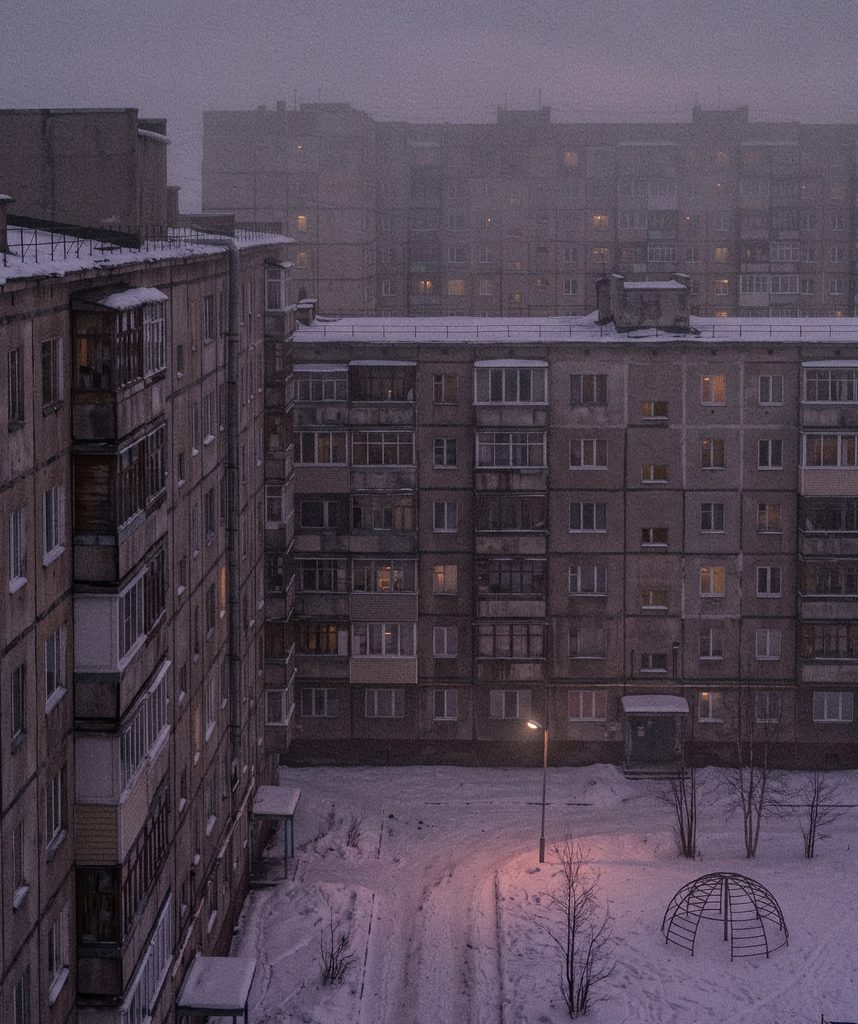
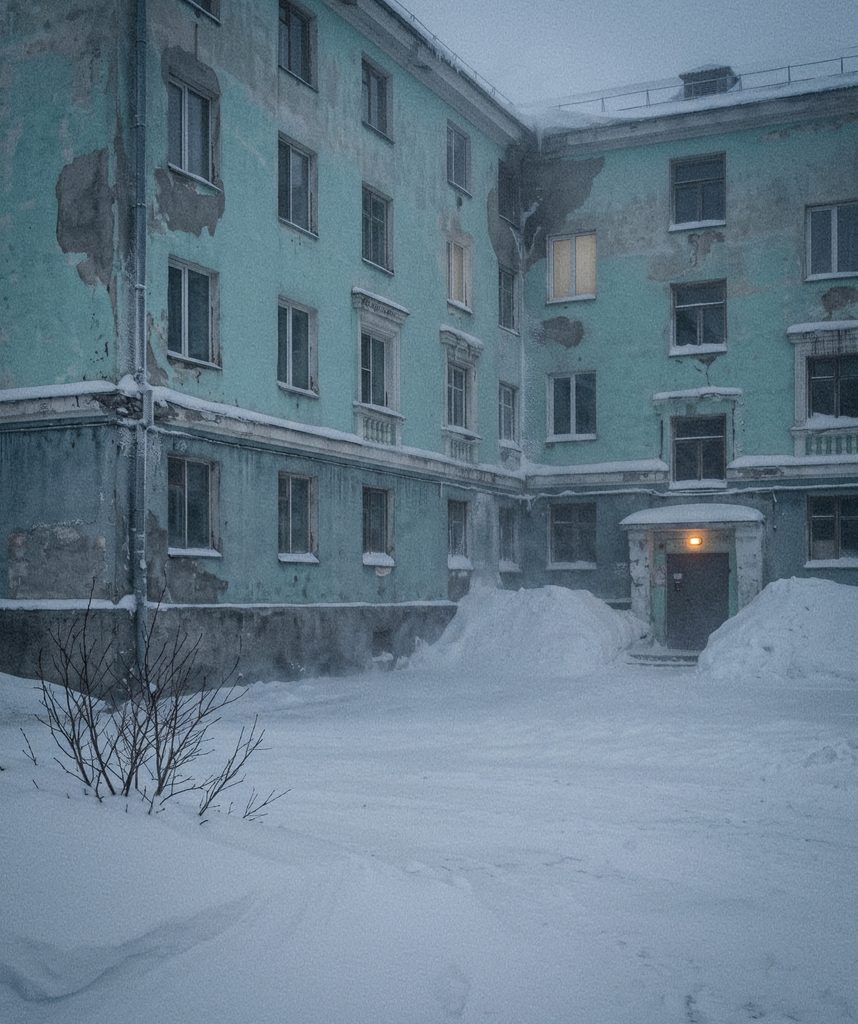
The Arctic is warming much faster than the global average, and thawing permafrost is a growing challenge for buildings, pipelines and industrial sites throughout the region. In Norilsk, many Soviet-era buildings stand on frozen ground that is becoming less stable. Experts say the city’s problems can’t be blamed on climate change alone, since aging infrastructure and maintenance also matter, but warming makes them worse.
Life, Industry and Wildlife
For residents, the city is home, and many have lived there for generations. Some have campaigned for cleaner air and water, and some, like longtime resident Igor Klyushin, say they’re skeptical that promises will lead to change. Indigenous communities in the region have long relied on fish and reindeer, and scientists say pollution can force fish and animals to move to cleaner areas.
What the Company Says
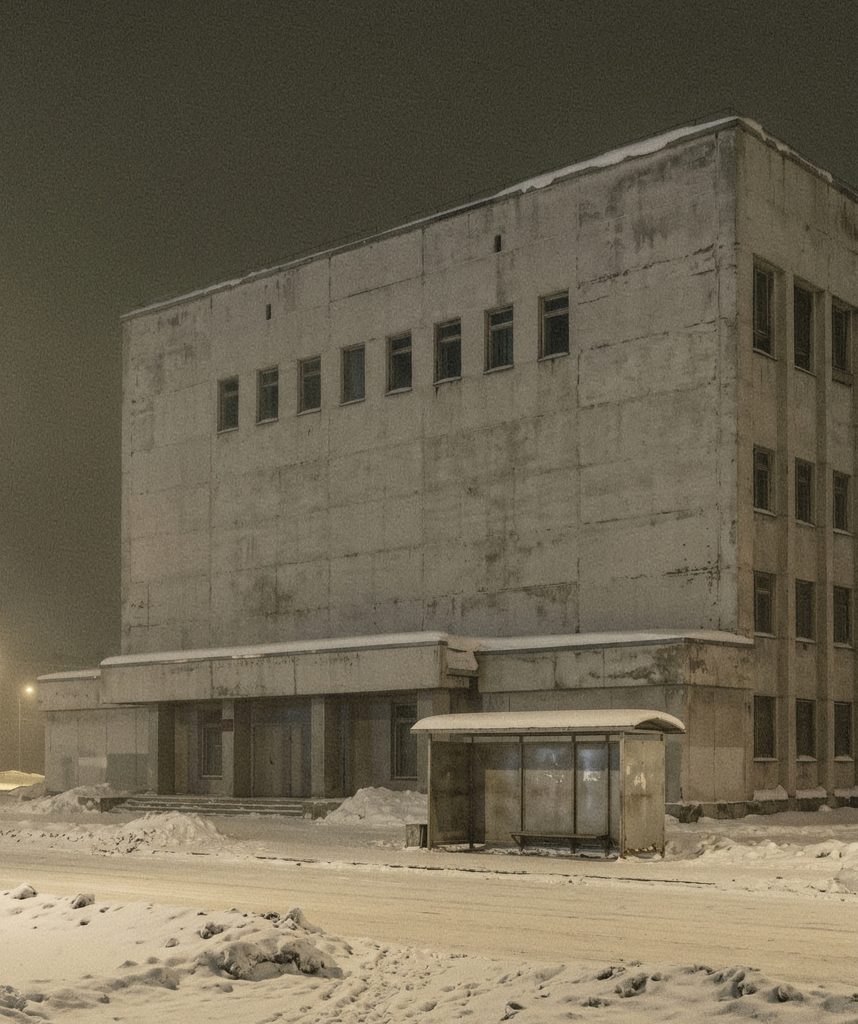
Nornickel says it can rehabilitate the environment. It has announced a large program to cut sulfur dioxide emissions sharply, with targets of reductions of about 45 percent and then about 90 percent, and it says it invests heavily in environmental protection. Critics, including environmental groups, question whether the chosen technologies and timetables go far enough.

What We Don’t Know
It’s worth keeping the limits of the evidence in mind:
- Emissions and cleanup figures come from companies, governments and environmental groups, and numbers differ by year and source.
- Independent verification in a remote, restricted region is difficult.
- Whether the announced reductions have been fully achieved, and how well damaged areas are recovering, isn’t clear from the reports.
- Descriptions of the city as depressing reflect outsiders’ impressions, and they don’t capture the lives and views of everyone who lives there.
What Norilsk Teaches Us
Norilsk shows how closely industry, climate and ecosystems are linked in the Arctic. The same metals that support modern technology come from places where the environment is especially fragile, and the cost of extracting them can be high. It also shows why monitoring, enforcement and prevention matter: restoring a polluted Arctic landscape is far harder than protecting it.
Protecting Your Own Air and Learning More
Readers worried about air pollution often compare air quality monitors and HEPA air purifiers for their homes, while those who want to understand the Arctic better can watch climate documentaries, read environmental books and support environmental conservation donations and Arctic research charities. Travelers heading to remote northern regions often buy travel insurance and sturdy cold-weather gear.
Frequently Asked Questions
Where is Norilsk? In northern Siberia, Russia, several hundred kilometers north of the Arctic Circle.
Why is it known for pollution? Its metal smelters are among the world’s largest sources of sulfur dioxide, and the area has suffered forest loss and a major fuel spill.
What caused the fuel spill? A fuel tank collapsed at a power plant after permafrost beneath it became unstable, according to reports.
Is the company cleaning up? Nornickel says it is investing in emissions reductions and rehabilitation, though critics question whether this is enough.
Sources: Inside Climate News, NBC News, The Moscow Times, Undark Magazine