
Imagine waking up on a sunny Greek island, with a bedroom provided and a day of caring for cats ahead of you. A rescue group on the island of Syros offers exactly that kind of exchange to long-term volunteers. The headlines call it “living for free,” but the details matter. Here is what the program involves, what you get and what you’ll still have to pay for.
An Island of Cats
Syros is a small island in the Cyclades, the group of islands scattered across the Aegean Sea. It is much quieter than some of its famous neighbors, and it is home to a very large stray cat population, with estimates often put in the thousands.
There is no formal state safety net for animals on the island, so care for the cats depends mostly on rescues, volunteers and trap-neuter-return programs. That is where the nonprofit Syros Cats comes in. It provides care for dozens of long-term resident cats and runs sterilization, feeding and medical programs for strays across the island.
What Volunteers Get
According to the organization, volunteers receive:
- A private bedroom in shared volunteer housing, with a shared kitchen and living space for two or three other volunteers
- Utilities covered
- A morning meal, described by the organization as brunch or breakfast

In return, the group asks for about six hours of work a day, five days a week, for a minimum stay of one month. The organization usually has around four volunteers at a time, from different backgrounds and countries.
What Volunteers Pay For
“Free” refers to housing, not the whole trip. Volunteers typically cover their own travel to Syros, lunch and dinner and personal expenses. Visitors from outside the European Union should also check visa and Schengen stay limits, and the organization recommends carrying travel insurance.
Who Is Welcome
Syros Cats says it welcomes singles or couples who are fit, mature, healthy and independent. Experience as a veterinary nurse or with feral cats is a plus, but the group says it is happy to accept any cat lover who is reliable, self-sufficient, punctual and prepared to get their hands dirty. Reports note that volunteers under 25 are rarely accepted and that children and pets can’t be accommodated.
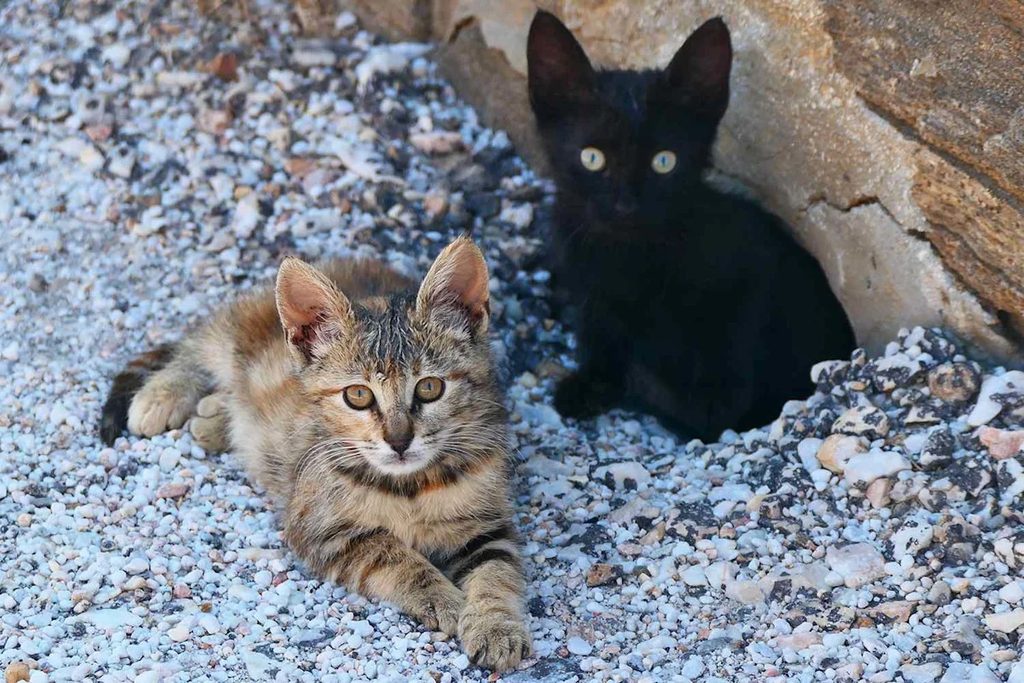
The work itself covers all aspects of cat care, and it isn’t a vacation with kittens. It can include feeding, cleaning, helping with medical care and handling cats that aren’t used to people.
How and When to Apply
The organization opens volunteer applications for specific periods, and spots are competitive. Rather than rely on a date from a news story, check the Syros Cats website and social media for the current application window and instructions. Applications generally ask for details about your experience and motivation.
What This Doesn’t Tell You
A few points are worth noting:
- The program is a volunteer exchange, not a paid job or a free holiday, and conditions can change from year to year.
- Details such as meals and daily hours are slightly different across news reports, so rely on the organization’s own website for the current terms.
- Working with stray cats involves risks such as scratches and bites. Ask your doctor about vaccinations and health precautions before traveling.

Helping Cats Without Traveling
If you can’t go to Greece, there are other ways to support island cats and strays everywhere. Many rescues rely on donations for sterilization, veterinary care, food and medication, and trap-neuter-return programs are widely seen as a humane way to manage stray populations.
Planning a Volunteer Trip
Volunteer travelers often compare flights to Greece, ferry tickets to the Cyclades and volunteer abroad programs, and they buy travel insurance for volunteers that covers medical care, while those who want to support cats from home can look into cat rescue donations and stray cat sterilization programs.
Frequently Asked Questions
Is it really free? Housing and utilities are provided, but volunteers pay for travel, most meals and personal expenses.
How long do volunteers stay? A minimum of one month.
What does the work involve? About six hours a day, five days a week, helping with all aspects of cat care.
Who can apply? Fit, mature, independent adults, singles or couples. Volunteers under 25 are rarely accepted, and children and pets can’t come.
Sources: Gray News, Syros Cats, Greek Reporter, Greek City Times