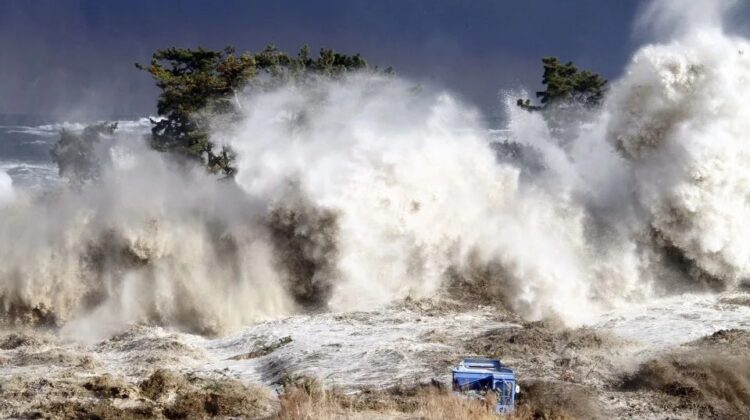
The Pacific Northwest coast faces an inevitable catastrophe: a massive earthquake and tsunami. Scientists say planning for this disaster requires imagining a scenario unlike anything modern-day America has ever experienced.
“Just a few decades ago, we weren’t even aware the Pacific Northwest could experience such large earthquakes,” said Diego Melgar, a seismologist at the University of Oregon.
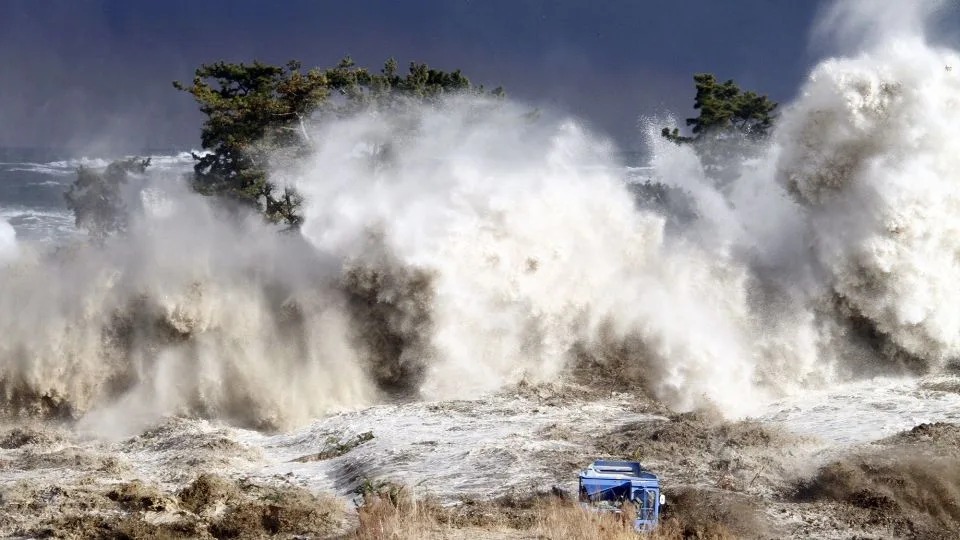
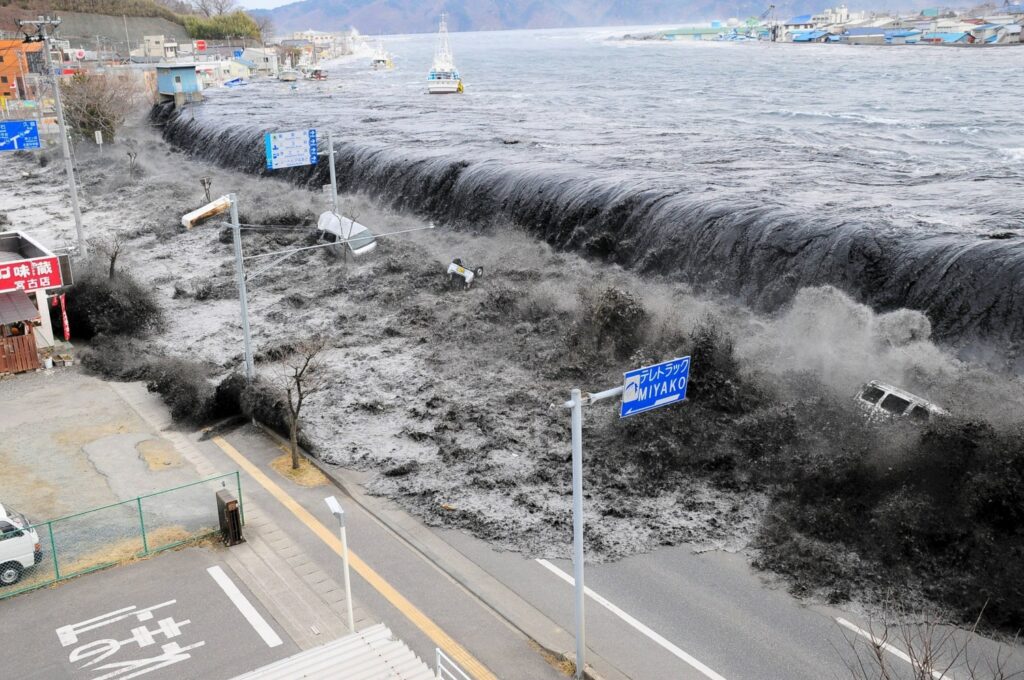
Scientists now understand the 700-mile Cascadia Subduction Zone, located 100 miles off the coast of Northern California and stretching north to Vancouver Island, has the potential to trigger a 9.0 magnitude earthquake followed by a tsunami, mirroring the disaster that struck Japan in 2011.
A recent in-depth study of the fault, reported in “Science Advances,” confirmed that the subduction zone is divided into 3 to 5 segments, each with distinct geological properties. The segment off the Washington coast, if it ruptures, poses the greatest threat of unleashing a devastating earthquake.
The region is utterly unprepared.
According to Corina Allen, chief hazards geologist at the Washington Geological Survey, no infrastructure built before 2005 can withstand the long and powerful shaking a Cascadia quake would generate. Tsunami building codes only came into effect in 2016.
“We have bridges, buildings, hospitals, schools – all this infrastructure is situated in areas vulnerable to tsunamis,” Allen said. “Can these structures survive a double disaster of an earthquake and subsequent tsunami? The answer is no.”
“My biggest fear is knowing we’re not taking the necessary steps, and fast enough, to safeguard our people,” said Yumei Wang, a senior advisor of infrastructure and risk at Portland State University.
Brick and masonry buildings are most susceptible to earthquake damage. Wang explains that wood frame buildings are particularly vulnerable to the forces of a tsunami. “Imagine a typical house being battered by water,” she added.
The geological record of the region indicates these mega-earthquake and tsunami events occur, on average, every 500 years. There’s no way to predict the exact timing of the next one, but it’s anticipated to hit within the next 200 years, or even sooner.
Retrofitting existing communities will be a long and expensive process, costing billions of dollars, according to Allen. Melgar believes the effort is absolutely necessary. “Even though my children or grandchildren might not see the benefits, we’re engaged in a long-term game if we’re doing this right.”
For those living or vacationing along the Pacific Northwest coast, surviving a tsunami that arrives 15 to 30 minutes after an earthquake hinges on how quickly they can reach higher ground. However, there might not always be safe havens readily available.
“In Washington, most residents living in the tsunami inundation zone lack immediate access to high ground,” Allen said.
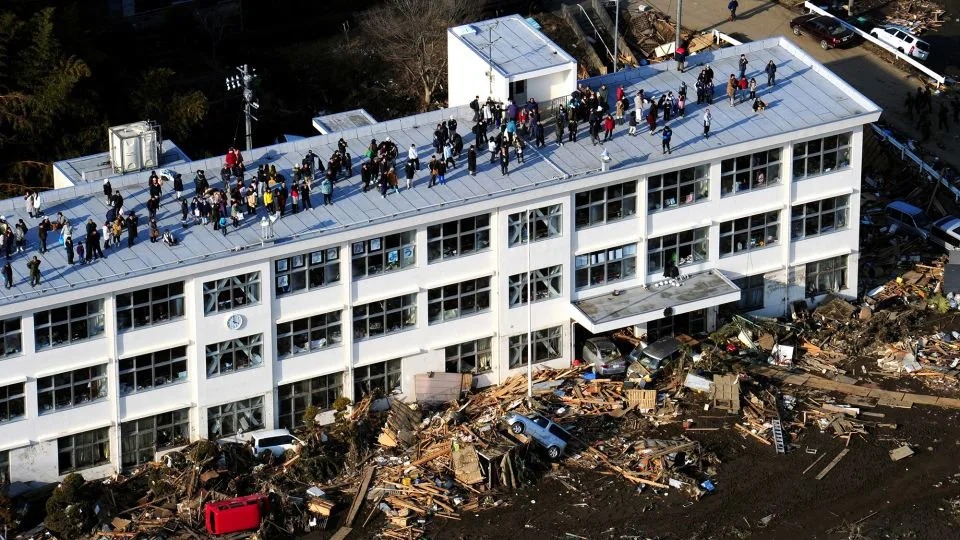
In such situations, vertical evacuation structures built within the tsunami zone become crucial. These structures played a vital role in saving thousands of lives during the 2011 Japan tsunami.
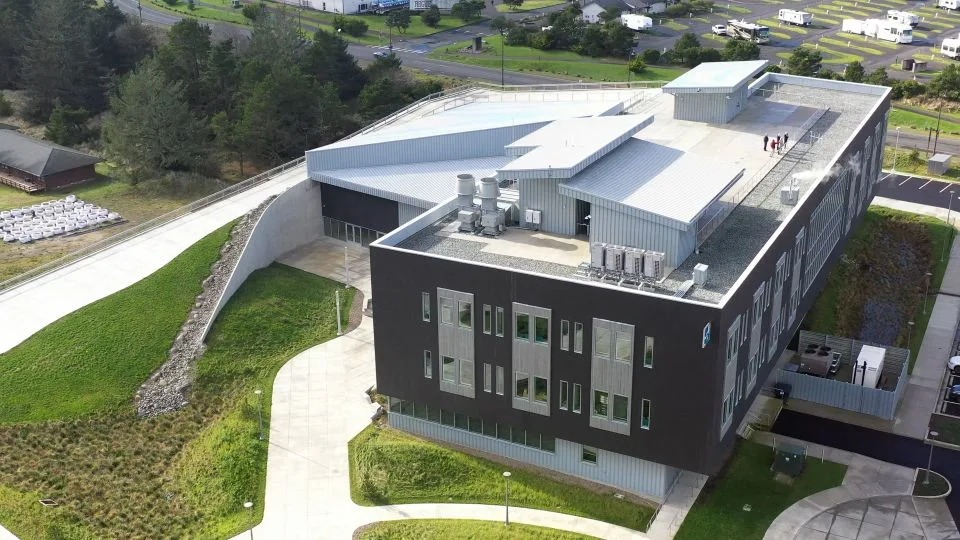
Only three such structures exist in the Pacific Northwest, with four more planned. But Allen estimates that Washington alone needs roughly 50. Each of the existing structures can hold 400 to 1,000 people, reaching heights of up to 76 feet, and vary in construction costs. Wang says the most expensive one, at $62 million, is the Marine Sciences Center in Oregon.
“The foundation is built deeper than the structure’s height, resembling an iceberg. The structure itself is designed like a car bumper, able to withstand impact from very heavy and large debris,” Wang explained.
“We possess sufficient knowledge about building codes, early warning systems, and tsunami evacuation zones to prevent a catastrophic outcome,” says Melgar.
The bigger uncertainty lies in whether people are willing to invest billions of dollars in preparation for an event that might not occur for another 200 years. “This is a complex problem to solve,” says Allen. “There’s a possibility we have more time, and that time can be used to establish the necessary systems for surviving this event. The problem is, we don’t know how much time we truly have left.”
Leave a Reply